Choosing the Right Thermal Printer for Manufacturing

Focus on spare parts for label scale and thermal printer

application/printer-thermal-printer, application/printer-thermal-printer, 
Inquiry
Inquiry

Printer thermal printer

Understanding thermal printers is essential for manufacturers seeking efficient and reliable printing solutions. Thermal printers are widely used in various industries for producing high-quality labels, receipts, and barcodes. However, selecting the Thermal Printer Parts can be daunting due to the variety of options and specifications available. This article will address critical buyer concerns, such as compatibility, quality, cost, and common operational issues, ensuring that you can make an informed purchasing decision.

Why choose SOSTAR Printer thermal printer

Choosing the Right Thermal Printer for Your Business Needs

When selecting a SOSTAR thermal printer for your manufacturing environment, consider several key specifications that can significantly impact its performance. First, evaluate the printer type—direct thermal or thermal transfer. Direct thermal printers use heat-sensitive paper and are ideal for short-term applications, while thermal transfer thermal printers utilize ribbons to produce durable prints suitable for labels that require longevity. 

Next, assess the print resolution, typically measured in dots per inch (DPI). A higher DPI offers greater detail, which is crucial for intricate barcodes and labels. For most manufacturing applications, a resolution of 203 DPI is standard, but if you're producing labels for small products or intricate designs, consider thermal printers with resolutions of 300 DPI or higher. 

Compatibility with existing systems is another vital factor. Ensure that the thermal printer can seamlessly integrate with your barcode scales and other equipment. This can minimize operational downtime and enhance productivity. Additionally, consider the printer's speed, typically expressed in inches per second (IPS). A faster Barcode Scale Parts can keep up with high-volume production lines, reducing bottlenecks. 

Lastly, assess the thermal printers connectivity options. USB, Ethernet, and wireless connections are common, but the choice depends on your specific operational setup. A reliable connection ensures smooth communication between devices, which is essential for maintaining efficiency in a manufacturing environment.

Frequently Asked Questions

Our Blog Posts

What Our Partners Say

Where to Source Reliable Thermal Printers in Bulk Orders

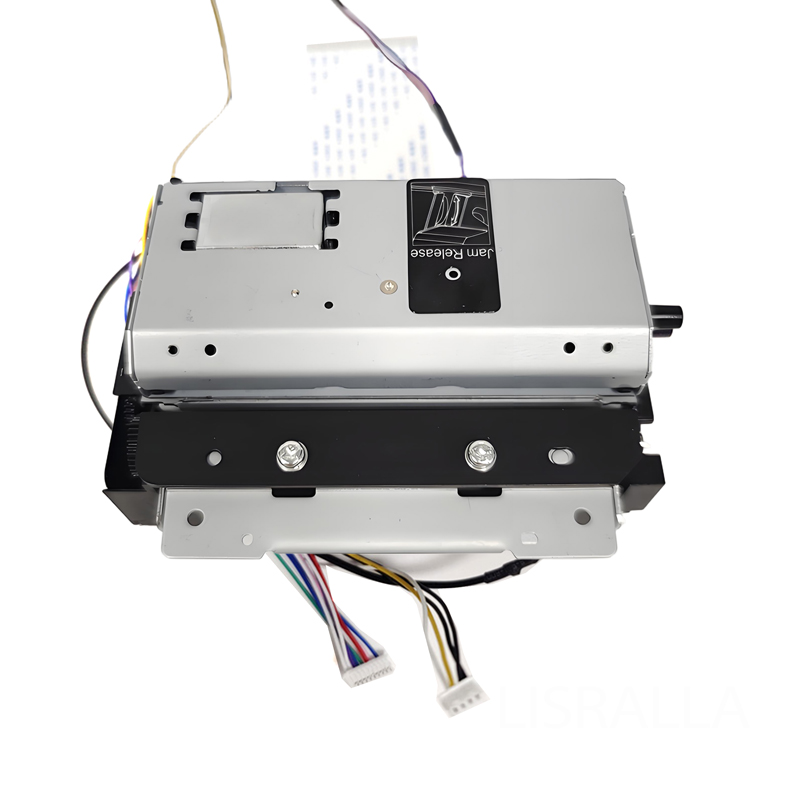
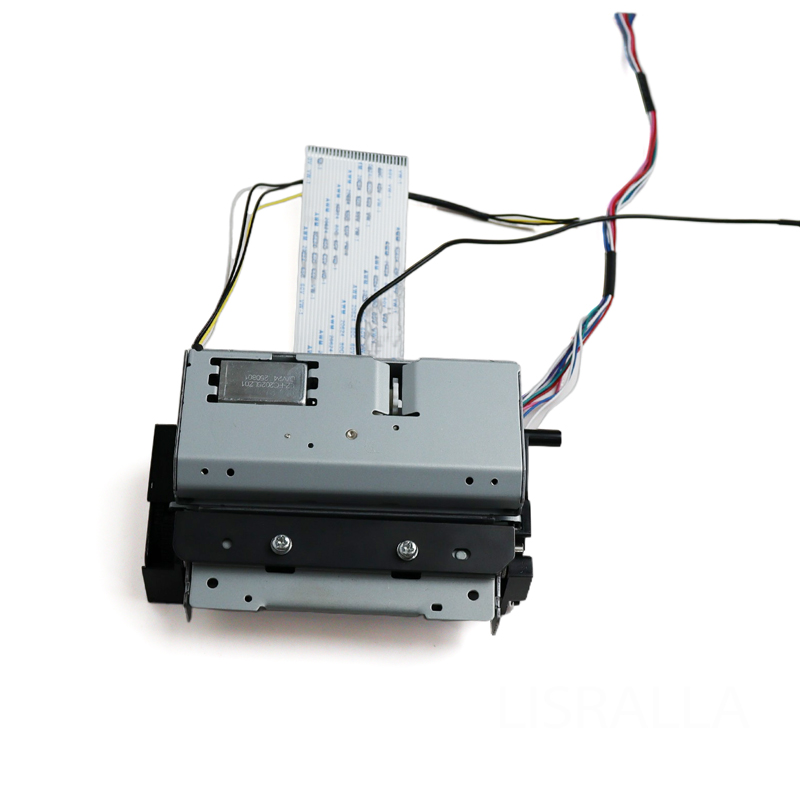
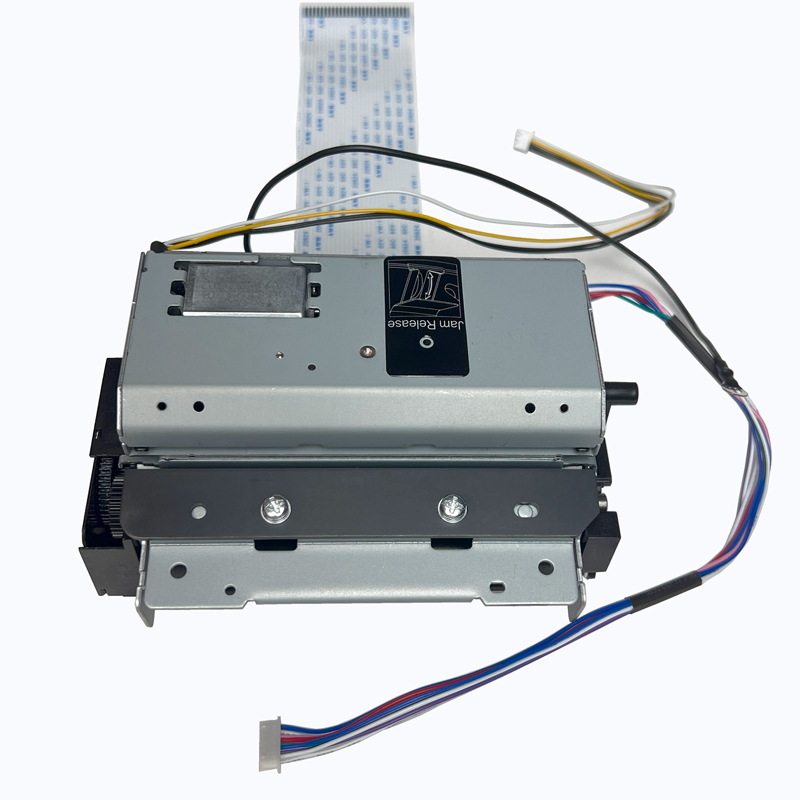
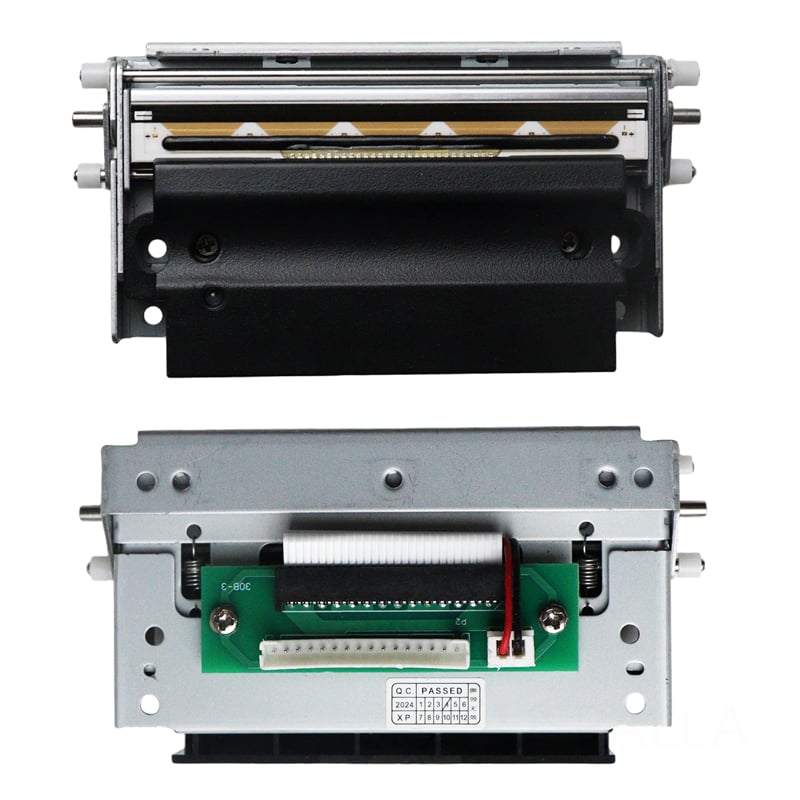
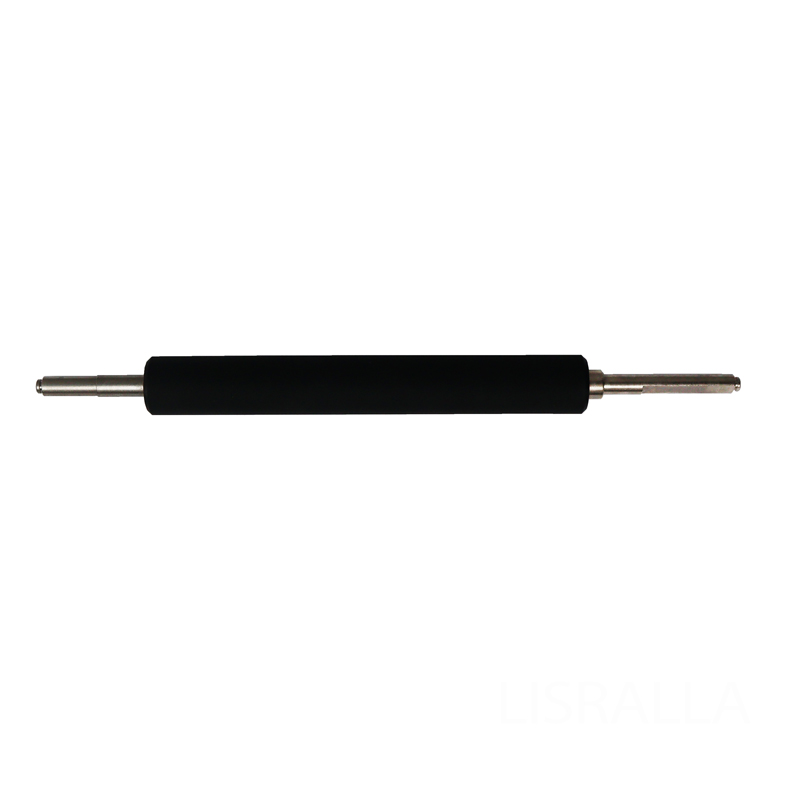
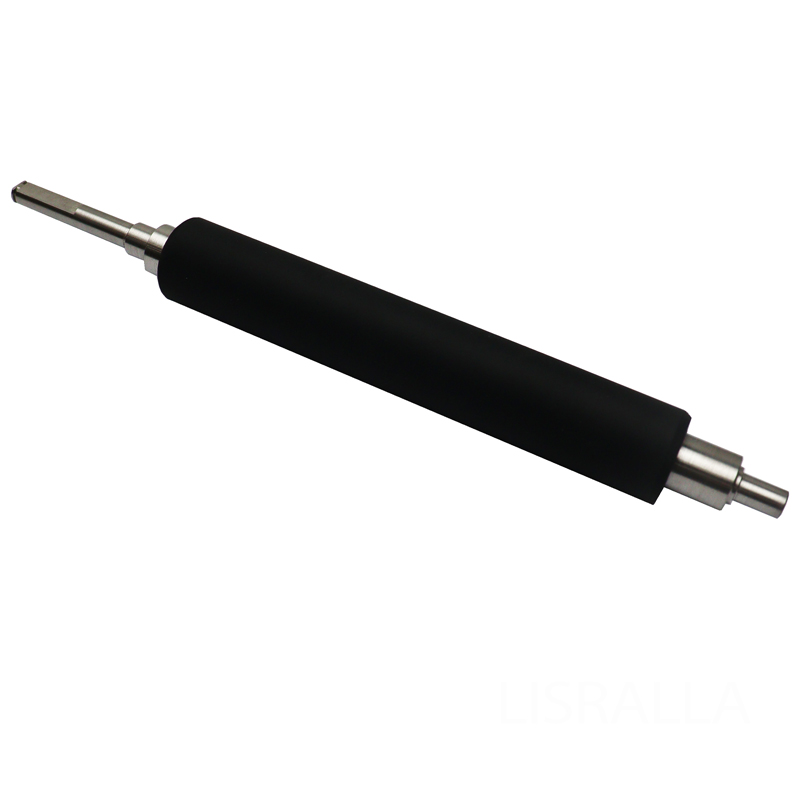
Quality control (QC) is paramount when manufacturing thermal printer components, as it directly affects the printer's performance and lifespan. At Guangzhou SOSTAR Smart Technology Co., Ltd., we emphasize strict QC processes for our printer components, such as printheads, rollers, and sensors. 

One critical aspect of quality control is material selection. Components must be made from durable materials that can withstand the rigors of manufacturing environments. For example, the printhead must be resistant to wear and tear, as it comes into direct contact with the printing surface. Using high-quality materials ensures longevity and minimizes the risk of malfunctions that could disrupt production. 

Another QC standard involves thorough testing of components before they are integrated into thermal printers. This includes assessing functionality under various operational conditions to ensure reliability. For instance, printheads should undergo tests for print quality, heat tolerance, and longevity. By implementing such rigorous testing, manufacturers can prevent potential failures and maintain high operational standards. 

Finally, adherence to international quality certifications can further enhance trust. Buyers should look for manufacturers that comply with relevant standards, as this reflects a commitment to quality and reliability in their products.

Understanding the Cost Factors for Wholesale Thermal Printer Purchases

Finding a reliable supplier for thermal printers and their components is crucial for ensuring consistent quality and service. Start by researching manufacturers with a solid reputation in the industry, focusing on those with specialized experience in thermal printing technologies. Supplier directories, trade shows, and industry associations can be valuable resources for identifying potential suppliers. 

It's essential to evaluate the supplier's quality control processes and product offerings. Requesting samples can provide insights into the quality of the components and their compatibility with your existing systems. Additionally, inquire about the supplier's manufacturing capabilities, including their production equipment and customization options. A manufacturer with advanced machinery and a flexible approach can better meet your specific demands. 

Consider the supplier's customer support and service offerings as well. A responsive supplier can assist with technical issues and provide timely replacements for faulty components, which is crucial for maintaining operational efficiency. 

Finally, check for customer reviews and testimonials to gauge the supplier's reliability and service quality. Engaging with current or past customers can provide valuable insights into their experiences and help you make an informed decision.

Installation Guidance for Optimal Performance of Thermal Printers

The cost of thermal printers and their components can vary significantly based on several factors. Understanding these factors can help you make a more informed purchasing decision. First, consider the initial purchase price of the printer itself. While lower-cost printers may seem appealing, they may lack durability and features that could lead to higher long-term costs due to frequent replacements or repairs. 

Next, evaluate the cost of consumables, such as thermal paper and printer ribbons. Thermal transfer printers require ribbons, which can add to the overall operational costs. Assessing the cost per print can help you determine the most economical choice for your application. 

Additionally, factor in the potential savings from increased efficiency and reduced downtime. A high-quality thermal printer can enhance productivity, leading to cost savings in labor and operational efficiency. Therefore, investing in a reliable ID Card Printer Parts may yield long-term financial benefits, outweighing the initial expenditure. 

Finally, consider the total cost of ownership, which includes maintenance, support, and replacement parts. Establishing a relationship with a trusted supplier can often lead to better pricing on parts and services, further optimizing your costs.

Applications of Thermal Printers in Various Industries and Sectors

Despite their reliability, SOSTAR thermal printers can encounter several common issues. Understanding these problems and their solutions can help minimize downtime and maintain productivity. 

One frequent issue is print quality degradation, often caused by worn-out printheads or incompatible media. Regularly inspecting and replacing printheads can prevent this problem. Additionally, using the correct thermal media is vital; ensure that the paper or labels meet the printer's specifications for optimal results. 

Another common problem is connectivity issues, which can disrupt the communication between the thermal printers and other devices. Ensure that all connections are secure and that the printer's drivers are up to date. If issues persist, consulting the manufacturer's technical support can provide guidance on troubleshooting. 

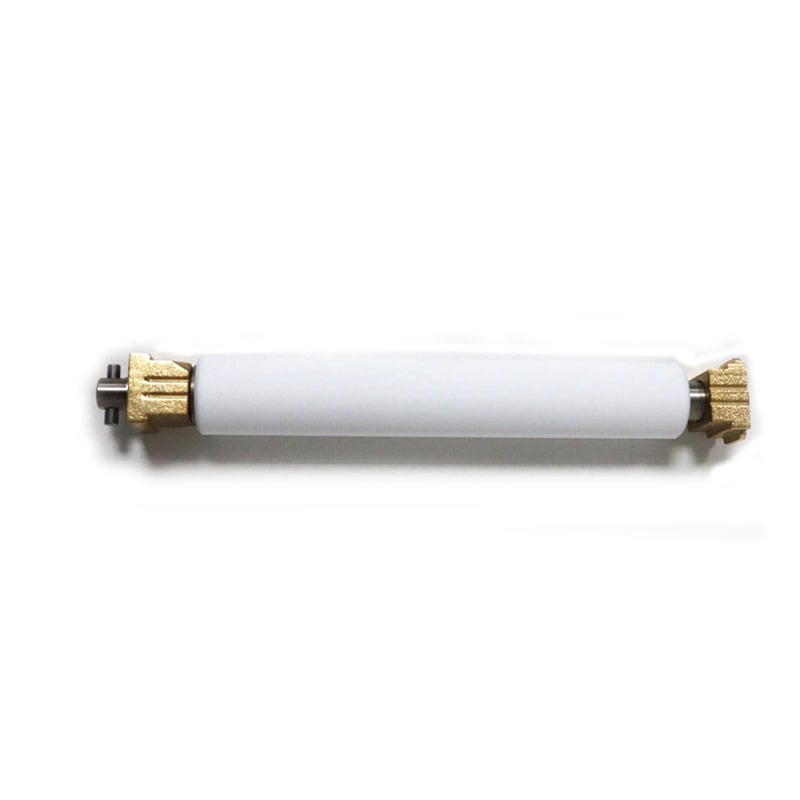
Overheating can also affect printer performance, especially in high-volume applications. Implementing proper ventilation and ensuring that the printer operates within recommended temperature ranges can alleviate this issue. Regular cleaning of components, such as rollers and sensors, can also help maintain optimal performance. 

Finally, users may experience issues related to software compatibility. Keeping thermal printers firmware updated and ensuring compatibility with your operating systems can mitigate these challenges. Regular training for staff on proper usage and maintenance can also help prevent operational problems. 

By addressing these common issues proactively, manufacturers can ensure that their thermal printers operate efficiently, thus minimizing disruptions in production.