Choosing the Right Direct Thermal Barcode Label Printer

Welcome to our store!Black Friday Sale!

application/direct-thermal-barcode-label-printer, application/direct-thermal-barcode-label-printer, 
Inquiry
Inquiry

direct thermal barcode label printer

Direct thermal barcode label printers are essential tools for businesses  that require efficient  labeling  solutions. These printers use heat-sensitive materials  to produce high-quality barcodes without  the need for  ink or toner,  making  them  cost-effective and low-maintenance. When selecting a  direct thermal barcode  label  printer, B2B buyers  often have concerns about compatibility, durability, and the  specific  applications suited to  their industry. This article will guide  you  through choosing the right printer, comparing  specifications, understanding quality control measures, addressing common  issues, and exploring various applications across industries.

Why choose SOSTAR direct thermal barcode label printer

Choosing the Right Direct Thermal Barcode Label Printer for Your Needs

When selecting a direct thermal barcode label printer,  consider the specific requirements of your application. Key  factors include  print speed, resolution,  and media compatibility. For instance, if  your business requires high-volume label printing, a printer  with a  higher print speed (measured in inches per second) will  enhance productivity. Resolution is crucial as well; a printer with  a resolution of  300 dpi typically produces sharper barcodes, which is essential for scanning accuracy.

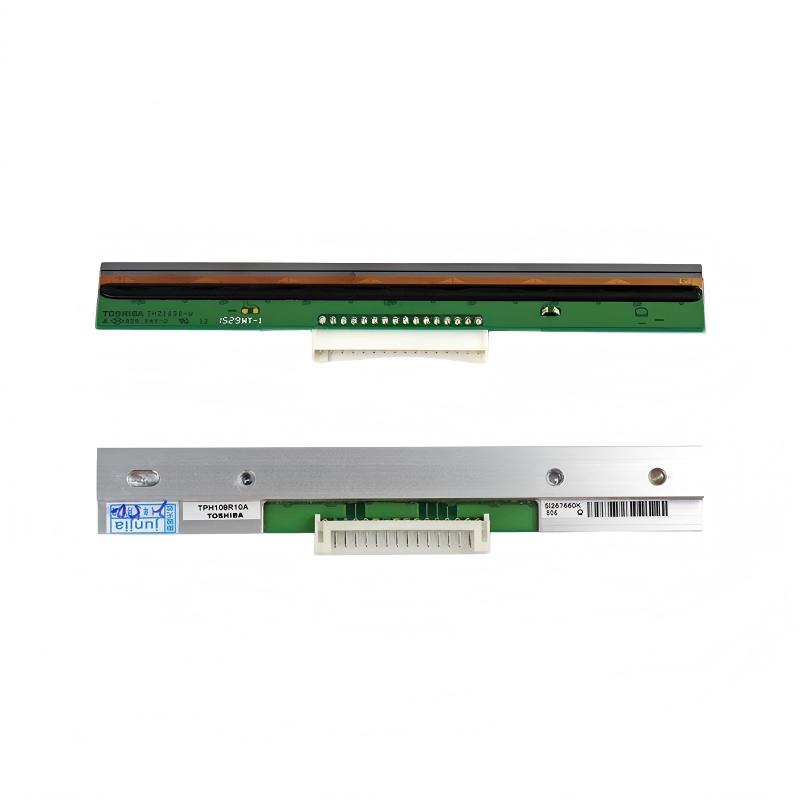
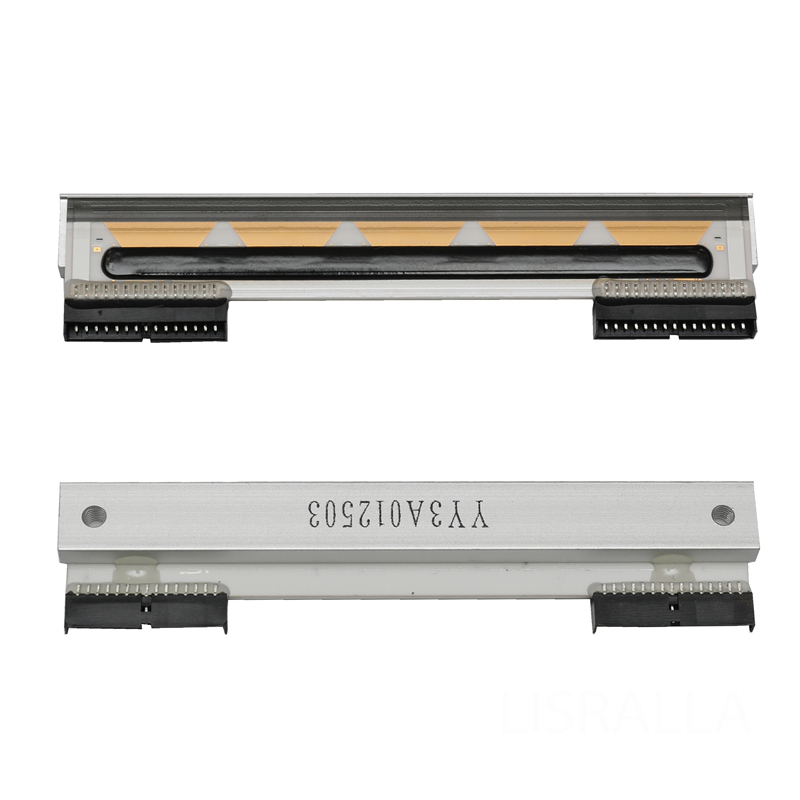
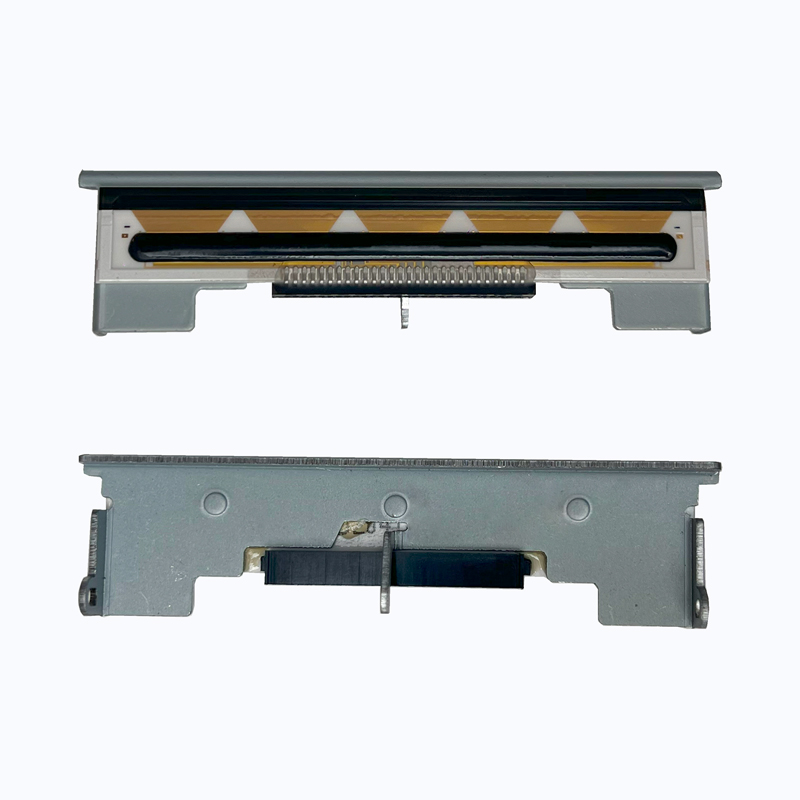
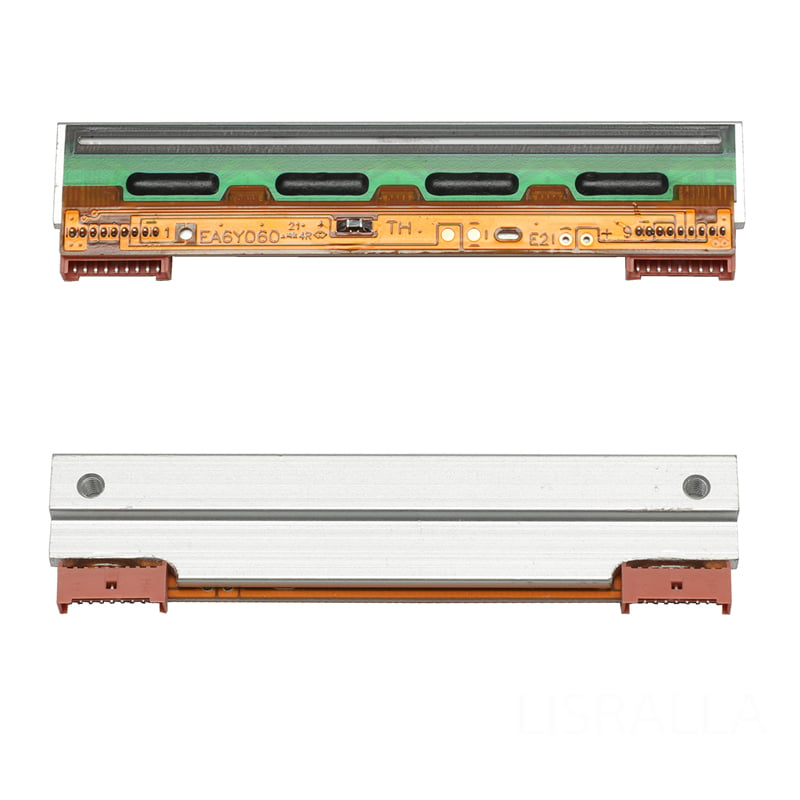
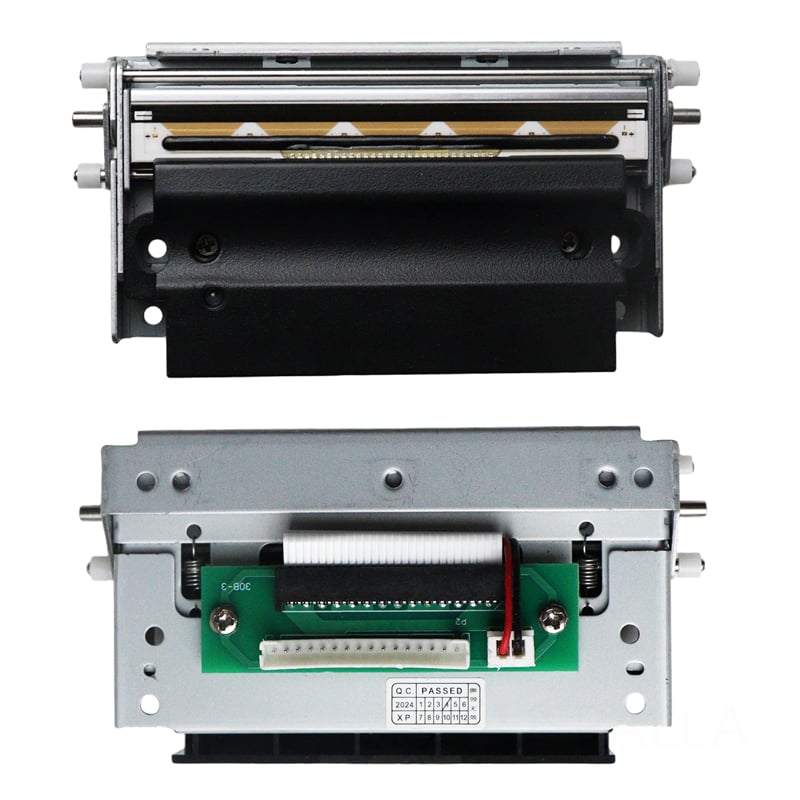
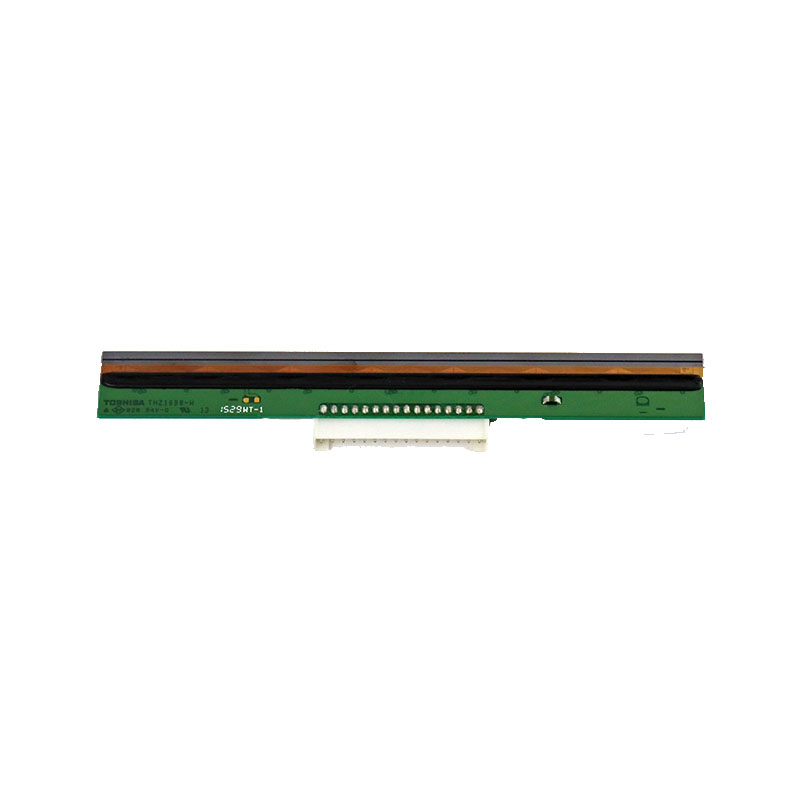
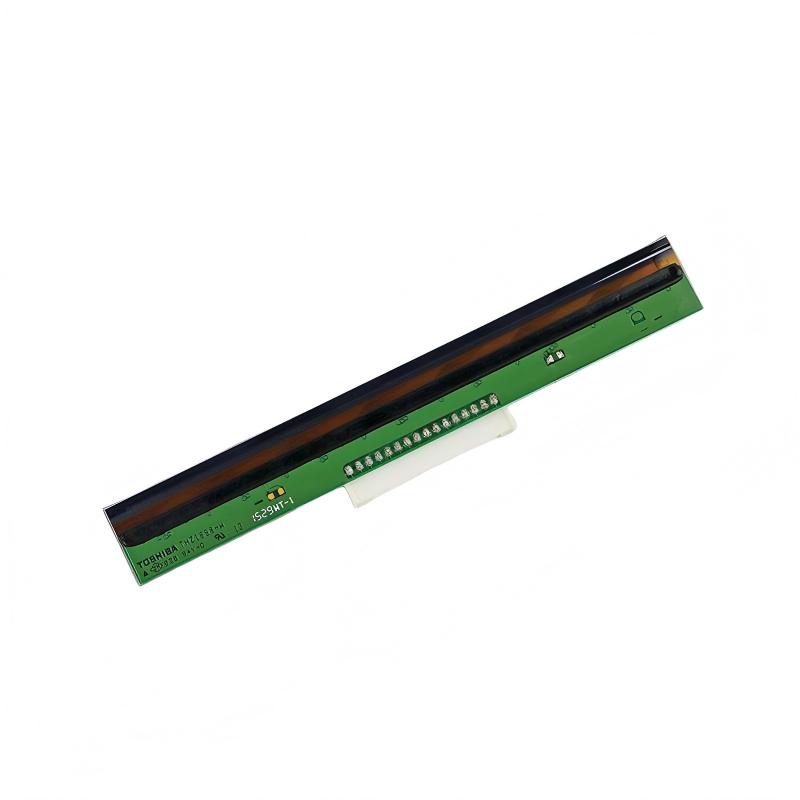
Additionally, consider  the media types compatible with the printer.  Some printers work well with paper labels, while  others can  handle synthetic materials that are more durable and resistant to moisture.  Assess your operational environment—if labels will be exposed  to harsh conditions (like chemicals or  extreme temperatures), choosing  a printer that supports robust label materials will be vital. Lastly, evaluate connectivity options such as USB, Ethernet, or wireless, ensuring that the printer  integrates seamlessly  into your existing systems. You might want to check out options like Printhead for enhanced compatibility.

Frequently Asked Questions

Our Blog Posts

What Our Partners Say

Comparing Specifications of Direct Thermal Barcode Label Printers

Comparing Specifications of Direct Thermal Barcode Label Printers

Understanding the specifications  of direct thermal barcode label printers helps buyers make informed decisions. Here are critical  specifications to consider:

Specification  Significance Print Speed Determines how quickly labels can be produced. A faster speed enhances operational efficiency. Print Resolution Measured in dots per inch (dpi), higher resolutions produce clearer barcodes, improving scan reliability.  Media Width The range of label widths  the printer  can accommodate.  This  affects flexibility in label design. Connectivity Options Includes  USB, Ethernet, Bluetooth, and Wi-Fi. Consider  how the printer will connect to your network. Dimensions  Physical size can impact where  the printer can  be placed in your operation, especially in limited spaces.

Each of  these specifications plays a role in how well the printer meets the demands  of your particular  application. For example, a high print speed may be unnecessary for a small-scale operation, while a high-resolution printer is  critical  for industries requiring  precise barcode scanning.

 
Quality Control Measures in Direct Thermal Barcode Label Manufacturing

Quality Control Measures in Direct Thermal Barcode Label Manufacturing

Quality control (QC) is crucial in the manufacturing of direct thermal  barcode label printers to ensure consistency and  reliability. At Guangzhou SOSTAR  Smart  Technology Co., Ltd., rigorous QC measures are  implemented throughout the manufacturing  process.  This includes inspecting raw materials, testing print  quality,  and verifying the durability of components.

During production, each  printer  undergoes a  series  of tests to confirm that it meets specified  performance criteria. For instance, printhead alignment and calibration are assessed to ensure optimal printing quality. Additionally, comprehensive inspections of the printhead, rollers, and sensors are conducted to identify any  defects before the product  reaches the market. These QC processes help prevent common  problems  that could arise during operation, ensuring that the printers  are not only functional  but also reliable for end-users.

Common Problems and Solutions for Direct Thermal Barcode Printers

Common Problems and Solutions for Direct Thermal Barcode Printers

While  direct  thermal barcode printers are generally reliable, users may encounter a  few common  issues. Here are some frequent problems and their solutions:

Poor  Print Quality: Often caused by a  dirty printhead or incorrect settings. Regular cleaning of the printhead and ensuring the printer  is configured for the correct media type can resolve this issue.


Labels Jamming: This can occur due to improper  loading of labels or  the  use of incompatible media. Ensure that labels are loaded correctly and verify that the media is  suitable for the  printer  model.

Connectivity Issues: Problems with network  connections can disrupt operations. Checking cables, verifying network settings, and updating drivers can help restore connectivity.

Fading Barcodes: Fading can result from improper  thermal settings or low-quality labels. Adjusting the print darkness settings or using higher-quality label stock can improve barcode visibility.

By addressing  these common issues proactively, businesses can minimize downtime  and maintain efficiency  in their labeling  processes.

Applications of Direct Thermal Barcode Label Printers in Various Industries

Direct  thermal barcode  label printers find applications across  a wide range of industries, each with  unique requirements. Here are some notable applications:

Retail: Used for price  labeling, inventory management, and shipping labels. High-quality barcodes facilitate quick scanning at checkout, enhancing customer experience.

Logistics and Warehousing: Essential for labeling shipping containers, pallets, and products. These printers help streamline operations by ensuring accurate tracking and inventory control.

Healthcare: Direct thermal  printers  are used  for labeling medications, patient wristbands, and laboratory samples. The clarity  of barcodes is critical  for safety and compliance.

Manufacturing: Used for labeling products  and components  within the production line. Accurate labeling helps in tracking parts throughout the manufacturing process.


Food and Beverage: Labels for packaging often  include expiration dates and barcodes for inventory management. Direct  thermal printers support compliance with regulatory  requirements for labeling, including options like For Other Brand solutions.

Understanding the specific  applications of direct thermal barcode label printers can  help businesses select the right printer to meet their operational needs effectively. By considering  the features and performance of different models,  buyers can make informed decisions that enhance their labeling processes.