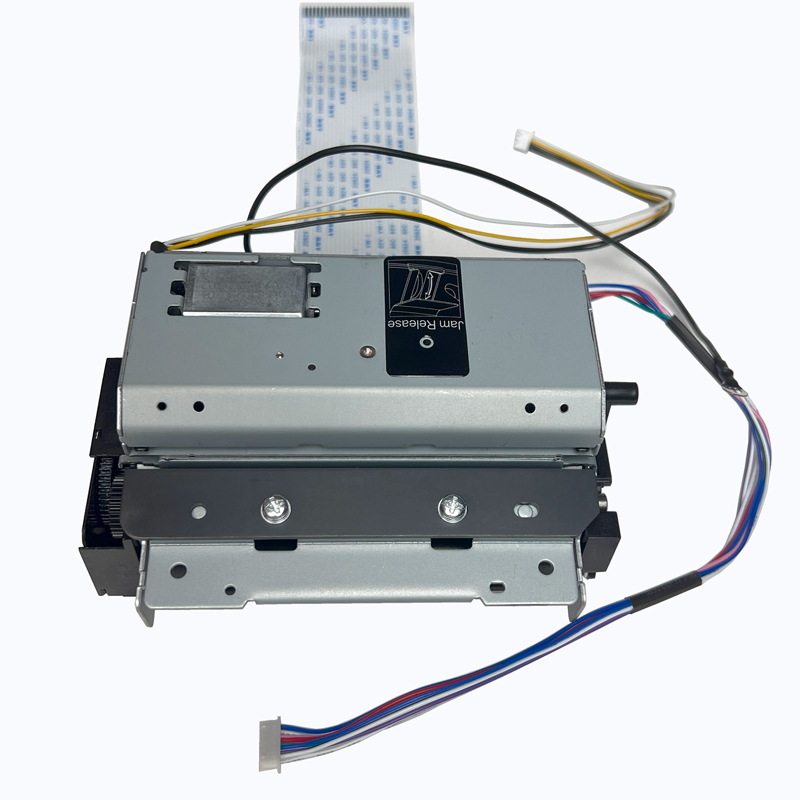
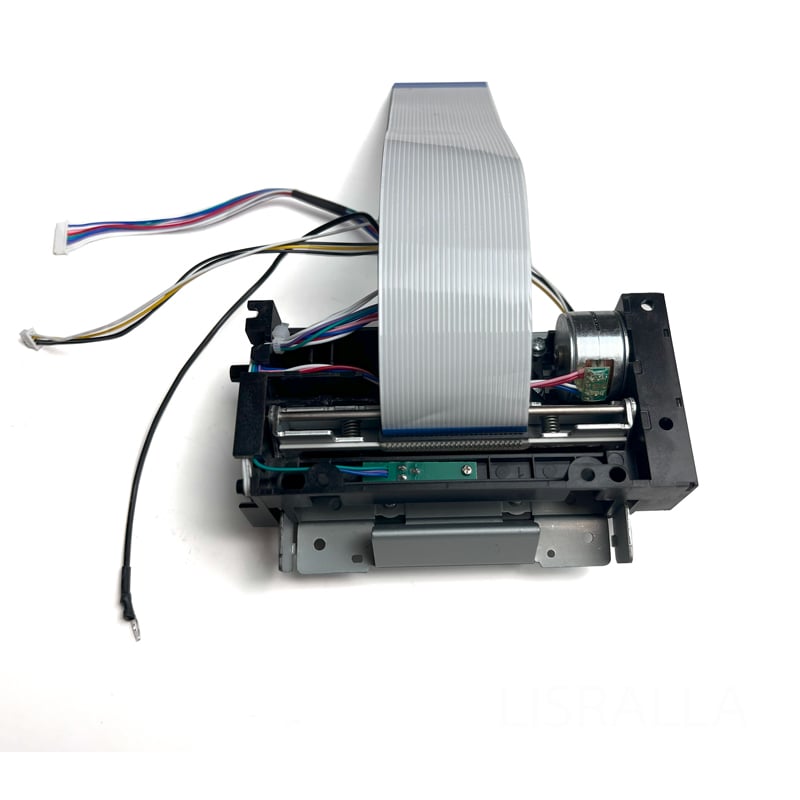
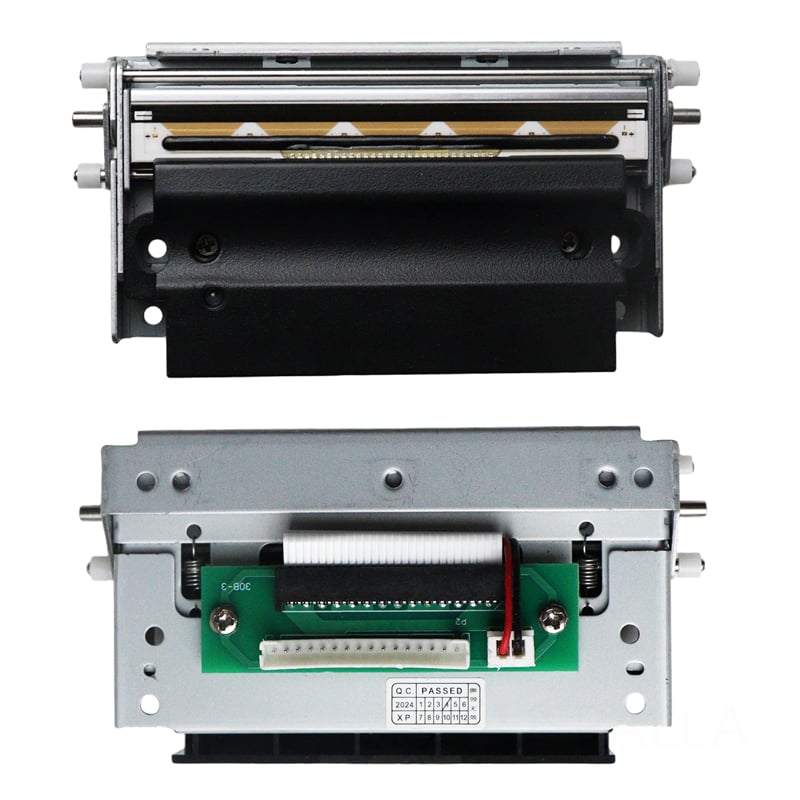
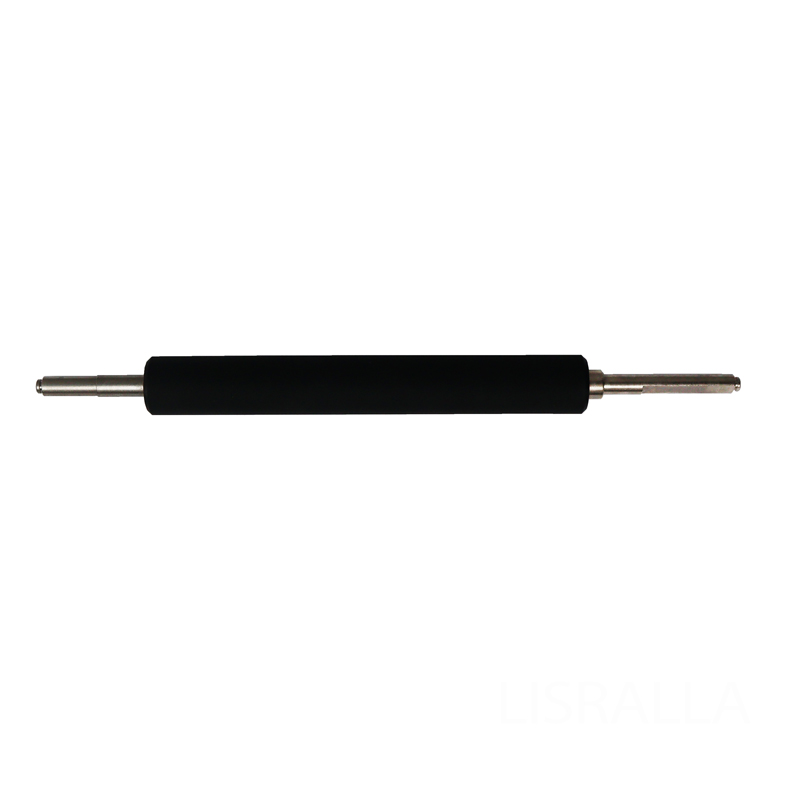
Key Specifications for Printer Internal Parts

Welcome to our store!Black Friday Sale!

application/internal-parts-of-printer, application/internal-parts-of-printer, 
Inquiry
Inquiry

Internal parts of printer

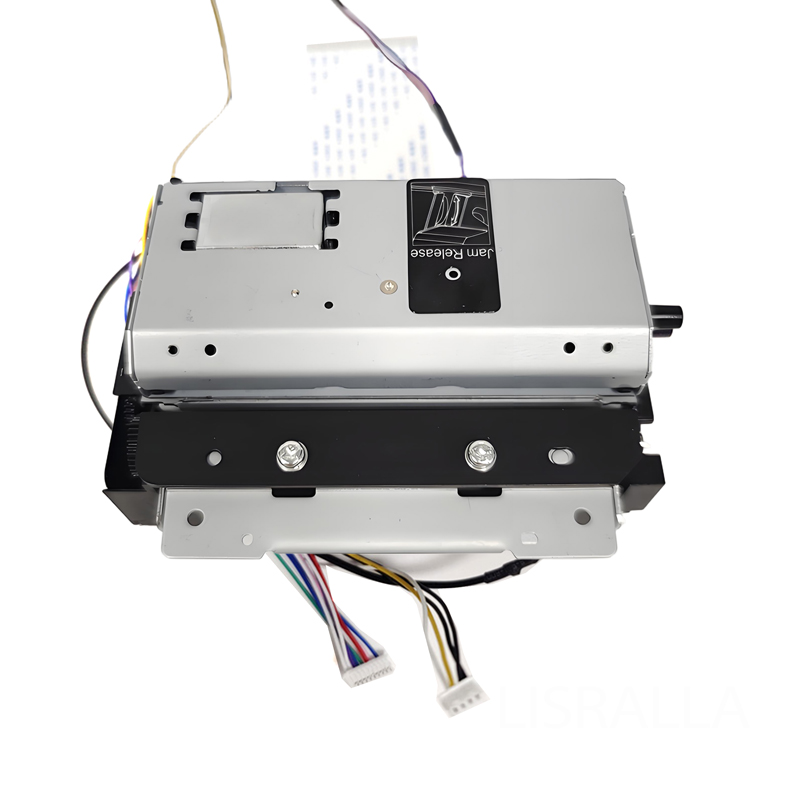
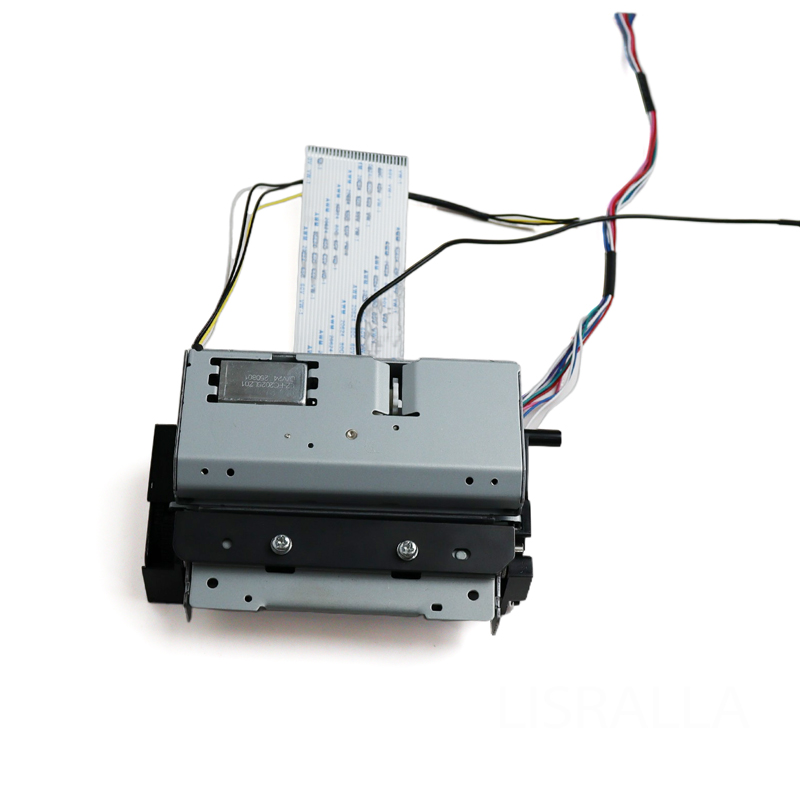
The internal parts of a printer, including components like print heads, rollers, sensors, and keyboards, play a crucial role in ensuring optimal printer internal parts performance. For B2B buyers, understanding the specifications and quality of these internal thermal printer parts is essential to make informed purchasing decisions. This article will delve into the key considerations for sourcing printer internal parts, helping purchasing managers and distributors identify the right suppliers like SOSTAR, troubleshoot common issues, and understand the advantages of various materials used in these components.  

Where to Find Reliable Suppliers of Printer Spare Parts for Bulk Orders

Finding reliable suppliers for bulk orders of printer spare parts involves several strategic approaches. First, industry trade shows and exhibitions often feature manufacturers and suppliers like SOSTAR showcasing their latest products. Attending these events can provide insights into which companies are reputable and offer high-quality components. 

Second, online marketplaces and B2B platforms can serve as valuable resources. Websites that focus specifically on industrial components often provide buyer reviews and ratings, helping you gauge supplier reliability. Look for suppliers who offer detailed specifications and documentation for their products. 

Lastly, establishing direct communication with potential suppliers is essential. Requesting samples of internal barcode scale parts of printers before placing a bulk order allows you to evaluate quality and compatibility firsthand. A supplier's willingness to provide samples can also reflect their confidence in their products. 

Common Problems with Printer Parts and Solutions for Buyers

Buyers of printer internal parts often encounter several common issues. One frequent problem is incompatibility between new components and existing printer models. This can often be mitigated by confirming the specifications and compatibility with the manufacturer before purchase. 

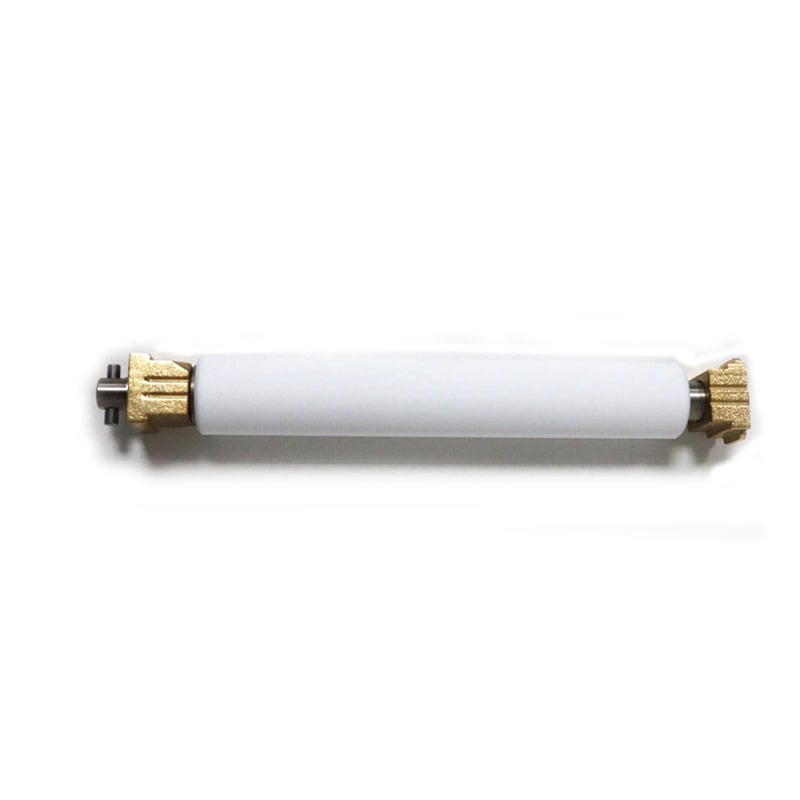
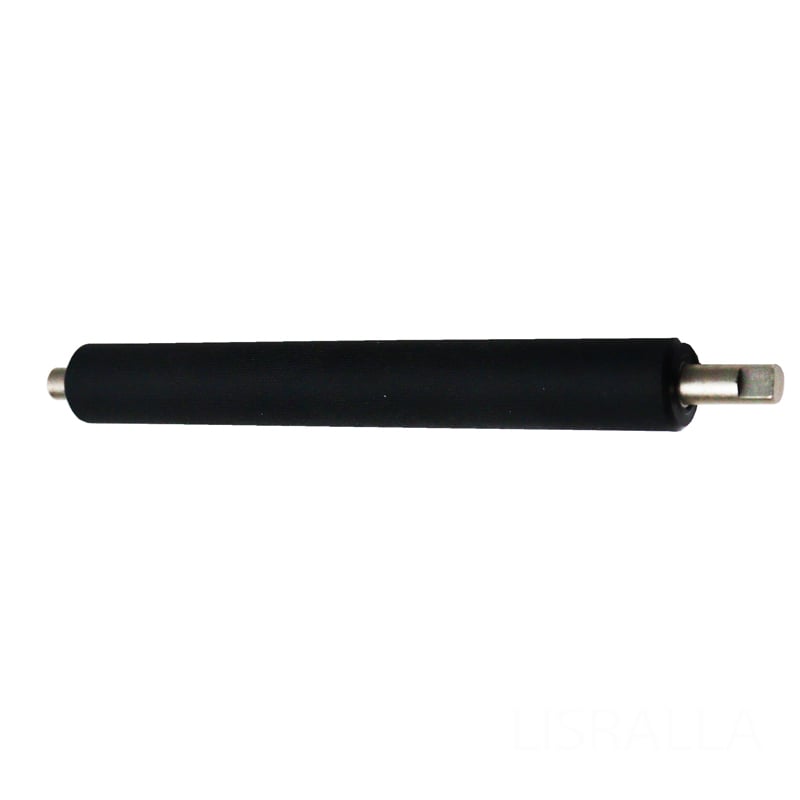
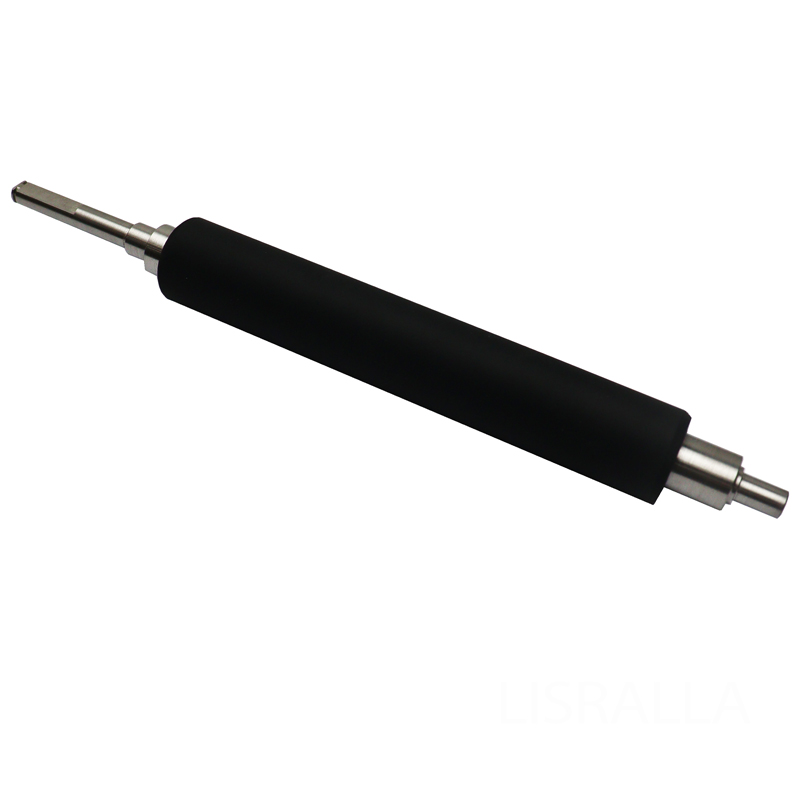
Another concern is component failure due to material fatigue. For example, rubber rollers may degrade over time, leading to printing issues. To address this, buyers should look for components with warranties and established durability records. 

Additionally, installation errors can lead to operational problems. It's advisable to ensure that installation guidelines are clear and that the supplier provides adequate support, including technical documentation. 

Lastly, buyers should be aware of the lead times for obtaining spare parts. Delays can occur due to supply chain disruptions or manufacturing capacity issues. Establishing a good relationship with suppliers can help mitigate these risks by ensuring timely communication regarding stock availability. 

Understanding Material Advantages of Printer Spare Parts for Buyers

The materials used in printer internal parts significantly influence their performance and lifespan. For instance, high-quality plastics used in print heads provide excellent thermal insulation, reducing the risk of overheating during operation. This characteristic is crucial for maintaining consistent print quality and prolonging component life. 

Moreover, metal components, such as those found in roller assemblies, offer superior strength and durability, making them ideal for high-volume printing environments. They are less likely to deform under pressure compared to their plastic counterparts. 

Another material consideration is chemical resistance. Some ID Card Printer Parts may come into contact with various inks and solvents, so selecting materials that can resist chemical degradation is vital. This selection ensures that the components maintain their integrity and functionality over time. 

Understanding these material advantages allows buyers to make informed choices that align with their specific operational needs, ensuring they select components that will perform reliably in their applications. 

What Distributors Should Know

For distributors of printer internal parts, several key factors must be understood to effectively serve their clients. First, having a comprehensive understanding of the various types of printer parts and their functionalities is essential. This knowledge enables distributors to provide accurate recommendations based on their customers' specific needs. 

Second, it's important to stay informed about industry trends and technological advancements. As printers evolve, so do their components. Keeping up with the latest innovations can help distributors better serve their customers and remain competitive in the market. 

Third, building strong relationships with manufacturers is crucial. This connection can provide distributors with better pricing, access to exclusive products, and timely information about new releases. Additionally, understanding the manufacturer's quality assurance processes will enable distributors to confidently stand behind the products they offer. 

Lastly, distributors should be prepared to educate their customers on maintenance and care for printer internal parts. Providing guidance on proper installation, usage, and troubleshooting can enhance customer satisfaction and reduce return rates, ultimately benefiting both the distributor and the end user. 

By gaining insights into these areas, distributors like SOSTAR can position themselves as knowledgeable partners in the printer parts supply chain, fostering trust and long-term relationships with their clients.  

Key Specifications to Evaluate When Sourcing Printer Internal Parts

When sourcing internal parts of printers, several specifications are critical to assess. First, the dimensions of the components must match the printer’s requirements to ensure compatibility.  Incorrect dimensions can lead to misalignment, impacting printing quality and efficiency. 

Second, material selection is paramount. Components made from durable materials such as high-grade plastics or metals can withstand wear and tear better than lower-grade options. For example, print heads made from high-quality ceramics can offer better thermal stability and longevity. 

Third, operational performance parameters should be reviewed. This includes the maximum printing speed the components can handle and their tolerance to different printing media. A component that performs well under specified conditions but fails under others can lead to increased downtime and maintenance costs. 

Lastly, buyers must consider the manufacturer's quality control processes. Understanding how the manufacturer tests their components for durability and compatibility can give buyers confidence in the quality of the products they are sourcing printer internal parts.  

Frequently Asked Questions

What internal printer parts do you supply?

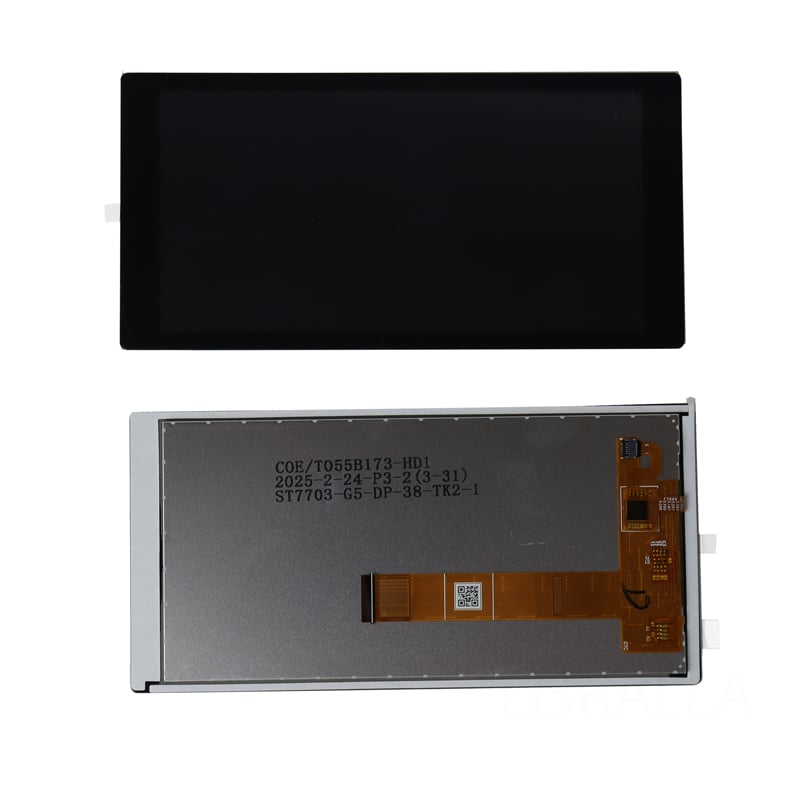
We supply printheads, rollers, sensors, keyboards and other internal spare parts for barcode scales and printers.
Yes. Our in-house R&D and strict QC ensure high compatibility across a wide range of printer and barcode scale models.
We use quality materials, controlled manufacturing processes, and rigorous testing to deliver durable, stable components.
Yes. We offer technical guidance and installation assistance from our R&D team to help with proper fitting and setup.
Our QC includes incoming material checks, in-process inspections, functional tests and final inspections to ensure consistent performance and reliability.

Get a Free Quote

Our representative will contact you soon.
0/1000