Understanding Weight Scale Motherboard Specifications

Welcome to our store!Black Friday Sale!

application/weight-scale-motherboard, application/weight-scale-motherboard, 
Inquiry
Inquiry

weight scale motherboard

Weight scale motherboards are critical components  in the functionality and reliability  of  various  weighing  systems, including  barcode scales.  For  purchasing  managers and engineers, understanding  the specifications,  compatibility, and potential issues associated  with these motherboards  is essential for  making informed decisions. This article  will guide you through the key  considerations when selecting weight  scale motherboards,  sourcing reliable suppliers, and troubleshooting  common problems.

 
How to Choose the Right Weight Scale Motherboard for Your Needs

How to Choose the Right Weight Scale Motherboard for Your Needs

Selecting the right weight  scale motherboard involves several considerations  tailored to your specific application:

Application Requirements: Determine whether the motherboard  will be used in a retail environment,  industrial setting, or laboratory. Each environment may  have different demands regarding processing power, durability, and connectivity.

Compatibility: Ensure that  the motherboard is compatible with existing systems, including scales, printers, and software. This  can prevent costly integration issues and ensure smooth operation.

Customization Needs: If your application requires unique features, such as specific communication protocols or additional processing capabilities, discuss  customization options with your supplier. Many manufacturers, including Guangzhou SOSTAR  Smart  Technology Co., Ltd., offer tailored solutions  to meet unique requirements.

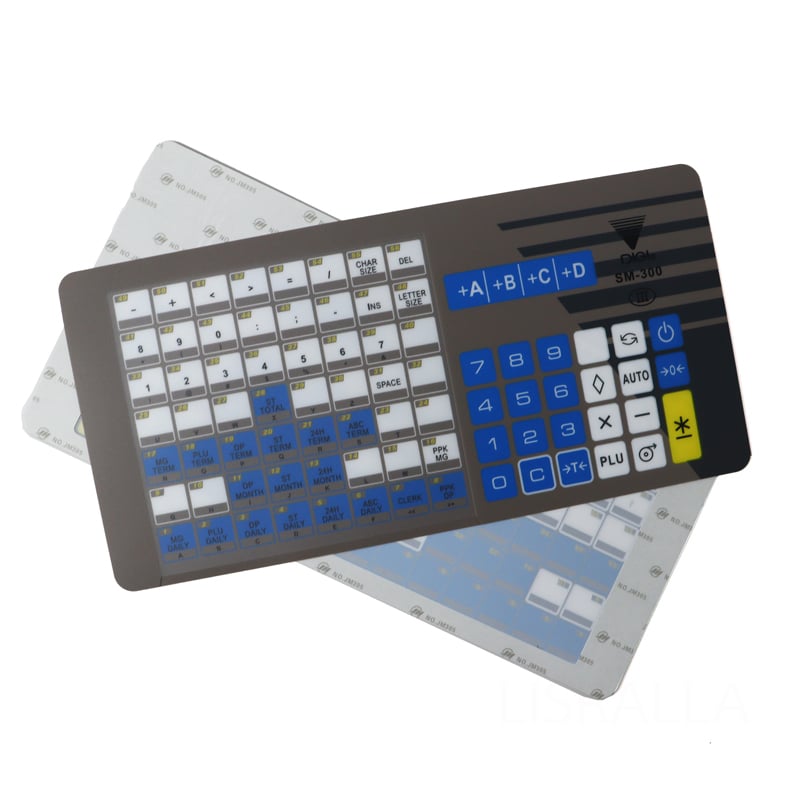
Budget Constraints: Assess the cost of the  motherboard against its features and expected  lifespan. While  it may be tempting to opt for the lowest-priced option, investing  in a more reliable motherboard  can reduce total ownership  costs  by minimizing downtime and maintenance. Consider options like the SM300 English Keyboard for DIGI SM300 Barcode Scale that offers great value.

Supplier Reputation: Research potential suppliers' reputations and customer reviews. A reliable supplier will provide high-quality components and support, which is essential  for long-term satisfaction.

By considering these factors, buyers can make informed decisions that  align with their specific requirements and operational goals.

Where to Source Reliable Weight Scale Motherboard Suppliers

Where to Source Reliable Weight Scale Motherboard Suppliers

Finding trustworthy suppliers for weight  scale motherboards  is crucial for ensuring product  quality and  performance. Here are several strategies to identify  reliable sources:

Industry Directories: Utilize online  industry directories and trade  associations to find manufacturers and suppliers with a proven track record. Look for those  specializing in barcode scales and their  components.

Trade Shows and Expos: Attend industry trade shows and  expos to  connect with manufacturers directly.  This provides an opportunity to see products  firsthand and discuss specifications in detail.

Networking: Leverage industry contacts and networks to gather recommendations on reputable suppliers. Engaging with peers can yield valuable insights into supplier performance and reliability.

Online Reviews and Testimonials: Research potential suppliers through  online reviews and testimonials. A supplier with positive feedback from previous customers is more  likely to deliver quality products.

Request Samples: Before placing a  large order, request samples to evaluate the quality and compatibility of the motherboards. This step  can  help verify that the supplier meets your  expectations.

By employing these strategies, buyers can  ensure they select a supplier that aligns with their quality standards and operational needs.

Common Problems with Weight Scale Motherboards and Their Solutions

Common Problems with Weight Scale Motherboards and Their Solutions

Understanding common issues associated with weight scale  motherboards can help buyers prepare for potential challenges. Here are some frequent problems and  their  solutions:


Communication Failures: If the motherboard fails  to communicate with connected devices, check the compatibility of the communication protocols. Ensure that connections are secure and that the correct drivers are installed.

Power  Issues:  Power fluctuations can lead to  motherboard malfunctions. Implementing a surge protector or an  uninterruptible power supply (UPS) can mitigate this risk.

Software Incompatibility:  If the motherboard does not function correctly  with existing software, verify that the firmware is up to date.  In  some cases, contacting the supplier for updated software versions may be necessary.

Physical Damage: Inspect the motherboard for any signs of  wear or damage, particularly  if it is used in harsh environments. Regular maintenance checks  can help identify issues before they affect  performance.

Performance Degradation: If the motherboard's performance decreases over time, consider factors such  as insufficient memory or overheating. An upgrade or cooling solution may be  necessary to restore optimal functionality.

By recognizing these common problems and their solutions, buyers  can take proactive steps to maintain their weight scale motherboards effectively.

Applications of Weight Scale Motherboards in Various Industries

Weight scale motherboards find applications across  a  range of industries, each with unique requirements:

Retail: In retail environments, weight scale motherboards facilitate point-of-sale systems,  providing quick and accurate weight measurements for pricing. The integration with barcode  scanners enhances operational efficiency.

Manufacturing: In manufacturing, weight  scale motherboards are crucial for quality control processes,  ensuring that products meet specified weight standards. They support automated systems for weighing  raw materials and finished products.

Logistics:  In logistics, weight  scale motherboards help in tracking shipment weights, ensuring compliance with transportation regulations. They can be integrated with inventory management systems for  better tracking and reporting.

Laboratories: In laboratory settings,  precision is vital. Weight scale motherboards in  analytical balances provide  accurate  measurements  for experiments and quality assessments.

Food Industry: In the food industry, weight scale motherboards are employed in packaging and portion control, ensuring compliance with health regulations and quality standards. Additionally, using products like the SM120P Display Screen for DIGI SM120P Series Barcode Scale can enhance the overall efficiency and compliance.

By understanding the  diverse applications of weight  scale motherboards, buyers can better  assess their specific needs and the potential benefits these components can  provide in their operations.


Understanding Weight Scale Motherboard Specifications for Buyers

When evaluating weight scale motherboards, several specifications are crucial  for ensuring optimal performance. Key parameters include:

Processing Power: The CPU speed and architecture dictate how quickly the motherboard can process data from  weighing scales. A  faster processor enhances responsiveness  and accuracy, which is vital for  high-volume applications.

Input/Output Interfaces: Look for compatibility with various communication protocols such  as RS-232, USB, or Ethernet. This ensures seamless integration with other devices in your weighing system.

Memory Capacity: Adequate RAM and storage are necessary for  handling data efficiently, particularly in  environments  where  large  volumes of data are processed or stored.

Durability: The  materials used in the motherboard's construction  affect its longevity and reliability. Consider factors such  as temperature tolerance and resistance to moisture or dust, especially  for  industrial applications. For example, the SM110 Paper Box for DIGI SM110 SM80 SM90 Barcode Scale is designed to protect sensitive components.

Certification: Verify  that the  motherboard complies with relevant industry standards, which may include  safety and performance certifications. This is essential for  meeting regulatory requirements.

Understanding these specifications allows buyers to assess whether a motherboard meets their operational needs and application requirements.

Get a Free Quote

Our representative will contact you soon.
0/1000