In the printing industry, thermal printheads and piezoelectric printheads are two of the most widely used technologies.
They serve different application scenarios—from retail receipts and logistics labels to industrial printing and large-format inkjet systems.
Understanding their strengths and limitations helps businesses reduce cost, choose the right equipment, and improve operational efficiency.
Thermal Printhead
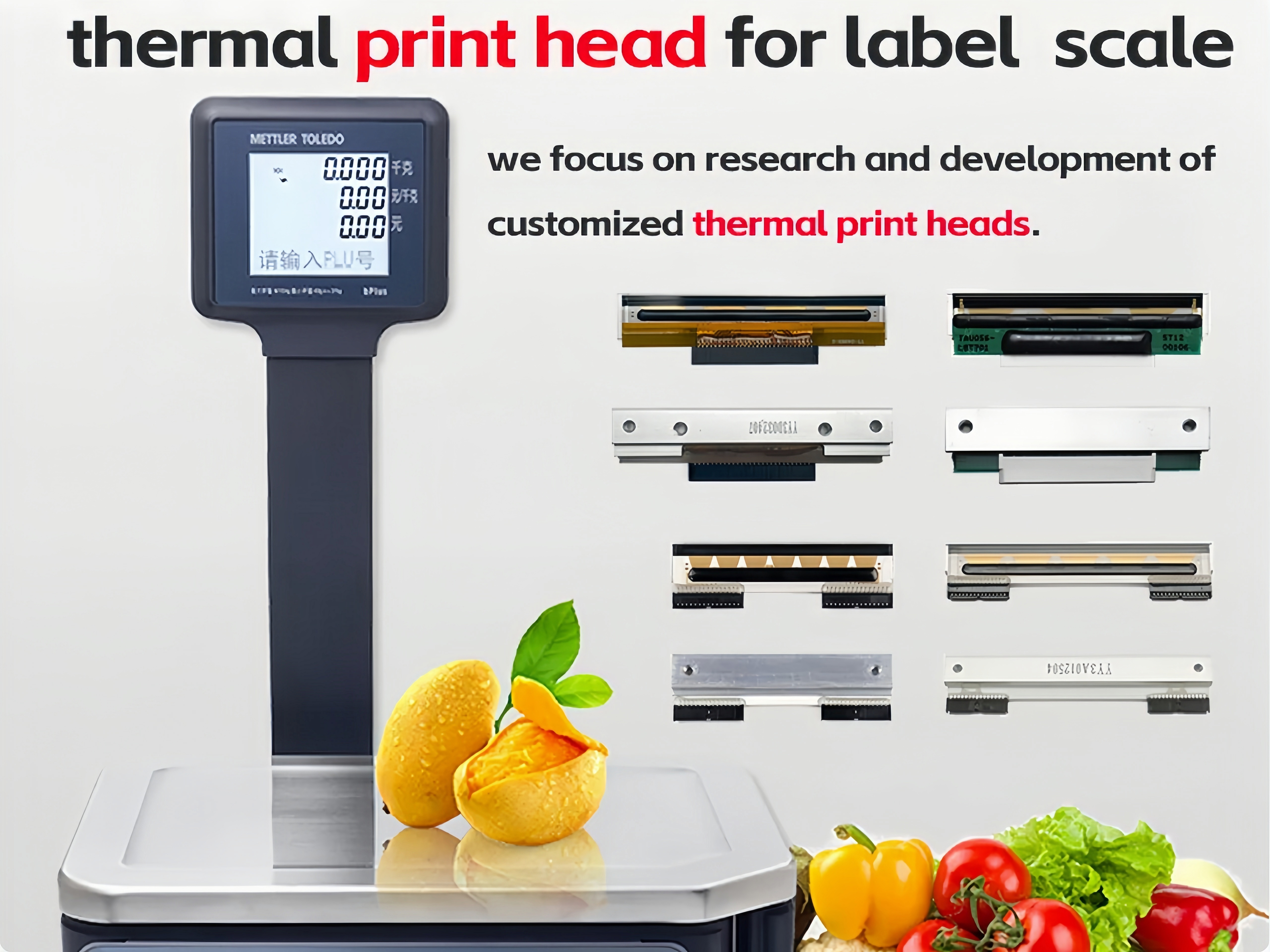
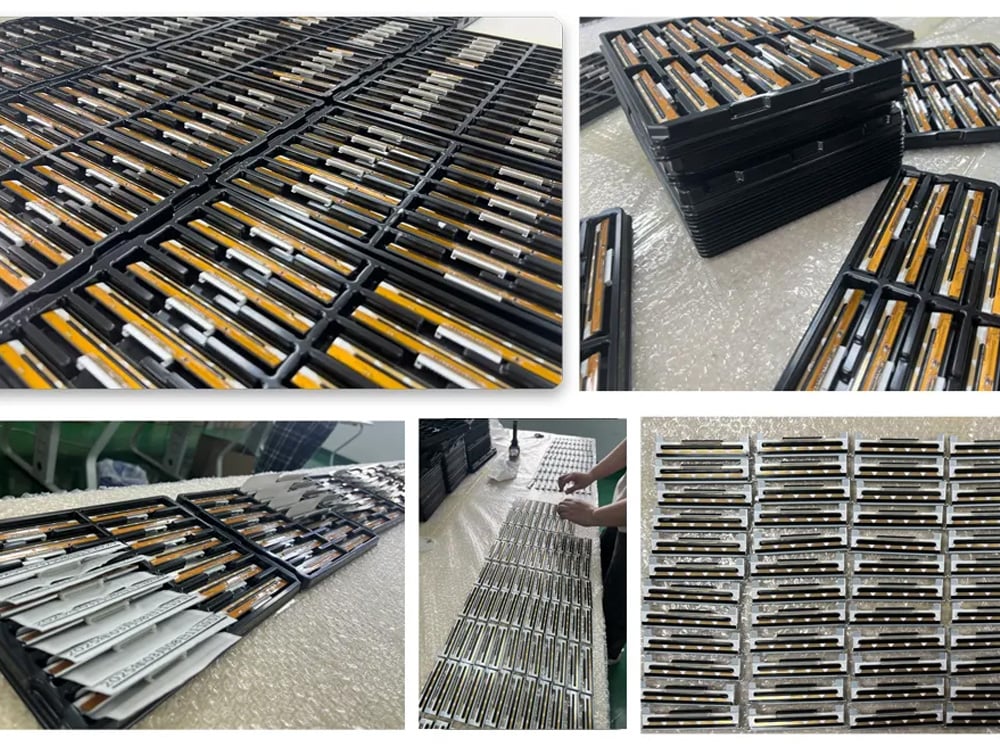
Principle: Heats thermal paper to develop color; no ink path nozzles, simple structure.
Advantages: Simple structure, few malfunctions, long lifespan; 0.5-second ultra-fast printing, suitable for peak printing times; requires only thermal paper, low consumable costs; lightweight and quiet design; no ink leakage or dust, clean and environmentally friendly.
Applications: Instant, high-frequency printing of supermarket receipts, logistics waybills, restaurant orders, hospital invoices, etc.
Tips: Select waterproof and oil-resistant thermal paper as needed; prioritize models with overheat protection and self-cleaning features.
Piezoelectric Printhead
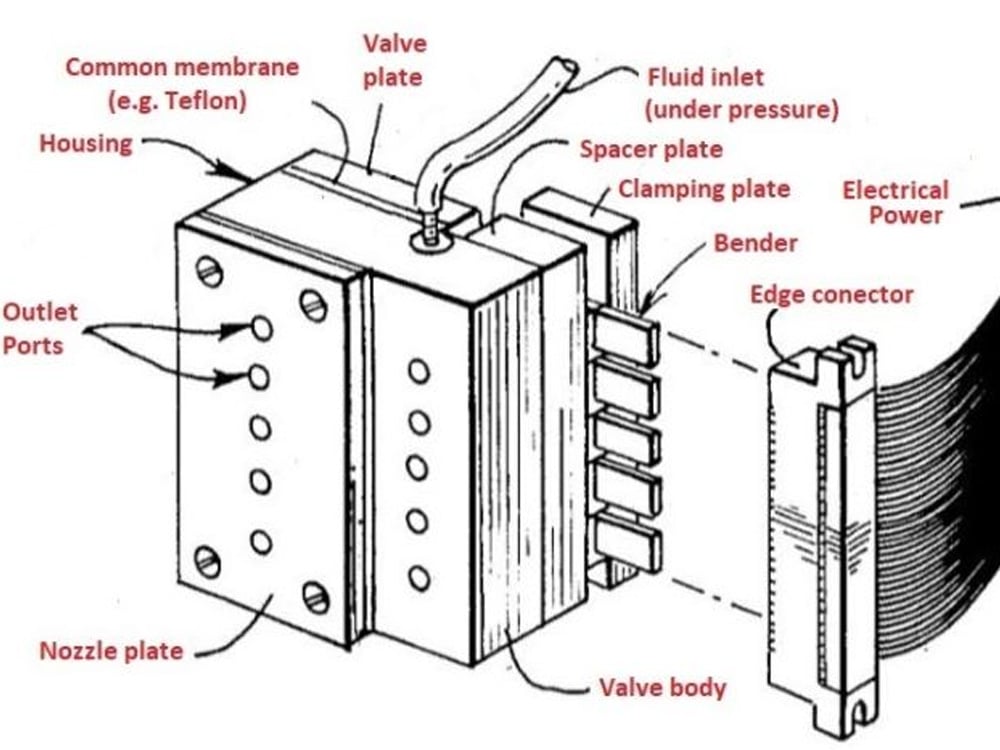
Principle: Piezoelectric crystals eject ink droplets, primarily for high-precision industrial printing.
Advantages: Fine ink droplets, excellent image quality; precise ink control, low consumable costs; durable, suitable for high-intensity work; compatible with UV, pigment, solvent, and other inks.
Applications: Industrial signage, fabric printing, large outdoor posters, high-end color labels, long-term continuous industrial printing.
Selection Summary
Thermal Printers: High speed, low cost, ideal for cash registers and labels; Piezoelectric Printers: High image quality, multi-functional, dedicated to industrial inkjet printing.
Choose equipment based on print volume, image quality requirements, and consumable budget to maximize its value.
 EN