Electronic Weighing Scale Motherboard Overview

Welcome to our store!Black Friday Sale!

application/electronic-weighing-scale-motherboard, application/electronic-weighing-scale-motherboard, 
Inquiry
Inquiry

electronic weighing scale motherboard

Electronic weighing scale  motherboards are  critical  components  in modern weighing  systems, serving as the backbone  that processes  weight data and ensures accurate readings. For B2B buyers involved  in procurement,  engineering, or product management, understanding the intricacies of  these motherboards  is  vital. Key  concerns include compatibility  with existing  weighing systems, durability, and  performance specifications.  This article  will guide you through essential  considerations when evaluating electronic weighing scale motherboards, helping you make informed purchasing  decisions.

Where to Find Reliable Suppliers of Electronic Weighing Scale Motherboards

Where to Find Reliable Suppliers of Electronic Weighing Scale Motherboards

Finding trustworthy suppliers for electronic weighing scale motherboards requires thorough research. Here are some effective strategies:

Industry Trade Shows: Attending trade shows related to  manufacturing and  technology can provide direct access to reputable suppliers and manufacturers. Engaging with experts in  person allows for better evaluation of their offerings.

Online Marketplaces and Directories: Platforms such as Alibaba,  ThomasNet, and Global Sources offer listings of manufacturers  and suppliers. Look  for those with verified ratings and customer reviews to gauge reliability.

Professional  Networks and Associations: Joining industry-specific  associations can connect  you  with reliable suppliers. Networking  with peers can lead to recommendations based on firsthand experiences.

Manufacturer Websites: Companies like Guangzhou SOSTAR Smart Technology Co., Ltd. offer detailed product catalogs and specifications  on their websites. Direct inquiries can provide  insights into customization options and quality control processes.

Requesting Samples: Before finalizing orders, request samples to assess the product quality and compatibility with your systems. This step  is crucial in avoiding costly  mistakes later.

By leveraging these  resources,  you can identify suppliers that align with your  quality standards and operational needs.

Comparing Costs of Electronic Weighing Scale Motherboards for Wholesale Buyers

Comparing Costs of Electronic Weighing Scale Motherboards for Wholesale Buyers

When evaluating costs for electronic weighing scale motherboards, consider  the following factors:

Volume Discounts: Many manufacturers offer tiered  pricing based on  order quantity. Understanding the minimum order quantity  (MOQ) can help  you negotiate  better rates.

Customization Costs: If you require specific features or alterations to a standard motherboard, be aware that customization may incur additional charges. Discuss these possibilities upfront to avoid surprises.

Shipping and Handling Fees: Factor in logistics  costs, especially if sourcing from international suppliers.  Shipping fees can  significantly affect the overall cost, so inquire about options  for bulk shipping.

Warranty and Support: Some suppliers may offer extended warranties or support services, which  could justify  a higher upfront cost. Evaluate the total cost of ownership,  including potential maintenance  or replacement costs.

Market Comparison: Conduct a comparative analysis  of different  suppliers. This will help identify competitive pricing and value offerings, ensuring you make an informed decision.

By considering  these factors, wholesale buyers can optimize their purchasing strategy and ensure they receive maximum value  for their investment.

Installation Guidance for Electronic Weighing Scale Motherboards in Projects

Installation Guidance for Electronic Weighing Scale Motherboards in Projects

Proper installation of electronic weighing scale motherboards is critical for ensuring optimal performance.  Follow these guidelines:

Pre-Installation Checks:  Verify that all specifications, such as voltage and interface compatibility, match  your operational requirements. Confirm that the motherboard has been tested for functionality before installation.

Environmental  Preparation: Ensure the installation environment is clean and free from contaminants that could affect  performance. Dust and moisture can interfere with electronic components, so consider  using protective enclosures.

Wiring and  Connectivity: Carefully  follow the manufacturer's wiring diagrams to connect the motherboard to other  system  components. Ensure that connections are secure to prevent signal loss or interference.

Testing After Installation: Once  installed, perform functionality tests to ensure accurate readings and proper integration  with other system elements. This should include checking input  and output signals.

Documentation and Training: Maintain thorough documentation  of  the installation process, including configurations and settings. Providing training for operators will ensure they understand how to  troubleshoot and maintain the  system effectively.

Adhering to these installation guidelines will help ensure that your electronic  weighing scale motherboard operates  reliably and meets your operational expectations.

Applications of Electronic Weighing Scale Motherboards in Various Industries

Electronic  weighing scale motherboards  have diverse applications  across multiple industries, including:

Manufacturing: In production environments, accurate weight measurement is crucial for quality control and inventory management. Motherboards can be integrated into conveyor  systems to automate  weight checks.

Retail: Electronic weighing  scales equipped with motherboards are essential for retail environments, allowing for  precise pricing based on weight. They can also interface with POS systems  for streamlined  transactions.

Logistics and Shipping:  In warehousing and shipping, these motherboards facilitate efficient package weighing  to optimize shipping costs and ensure compliance with regulations.

Pharmaceuticals: Precise weight measurements are vital in the pharmaceutical industry for  ingredient formulations. Motherboards in this sector often feature advanced data logging and compliance capabilities.

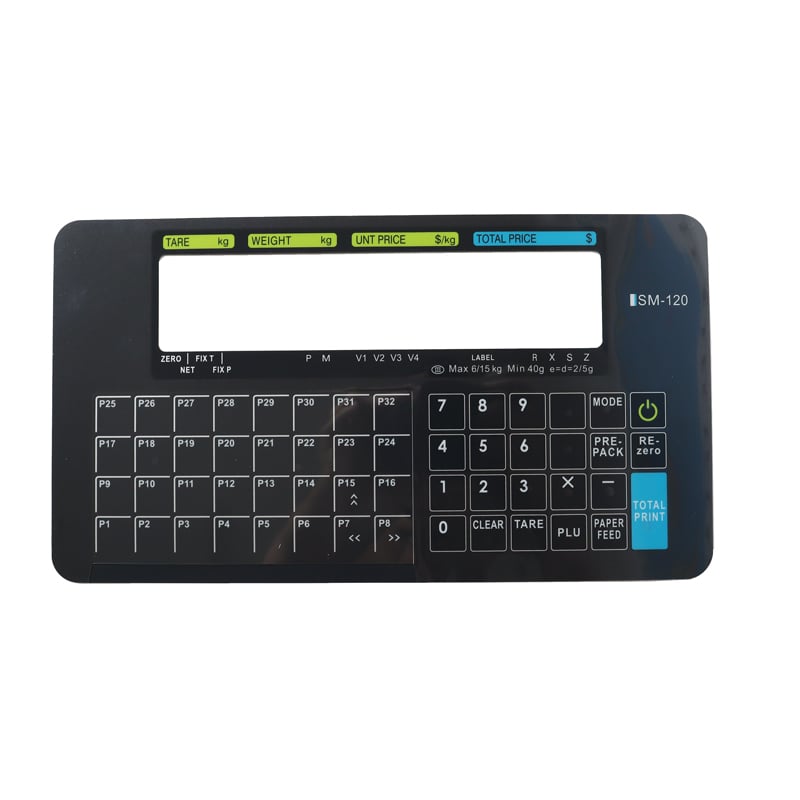
Food Processing: Electronic weighing systems are  used to ensure  accurate portioning and packaging of food products.  Compliance with health regulations makes  reliable motherboards critical in this application. Additionally, the SM120B English Keyboard for DIGI SM120B SM120LLB Barcode Scale can enhance the functionality of these systems.

By understanding the specific applications of electronic weighing scale motherboards, buyers can make more informed  decisions  that align with their industry  requirements and operational  goals.

Key Specifications to Consider for Electronic Weighing Scale Motherboards

When selecting an electronic weighing scale motherboard, several specifications  warrant attention:

Processing Power: The CPU type and speed determine the motherboard's  capability to handle complex calculations and  data processing. A faster processor can improve response times and support  advanced features like data logging  and remote connectivity.

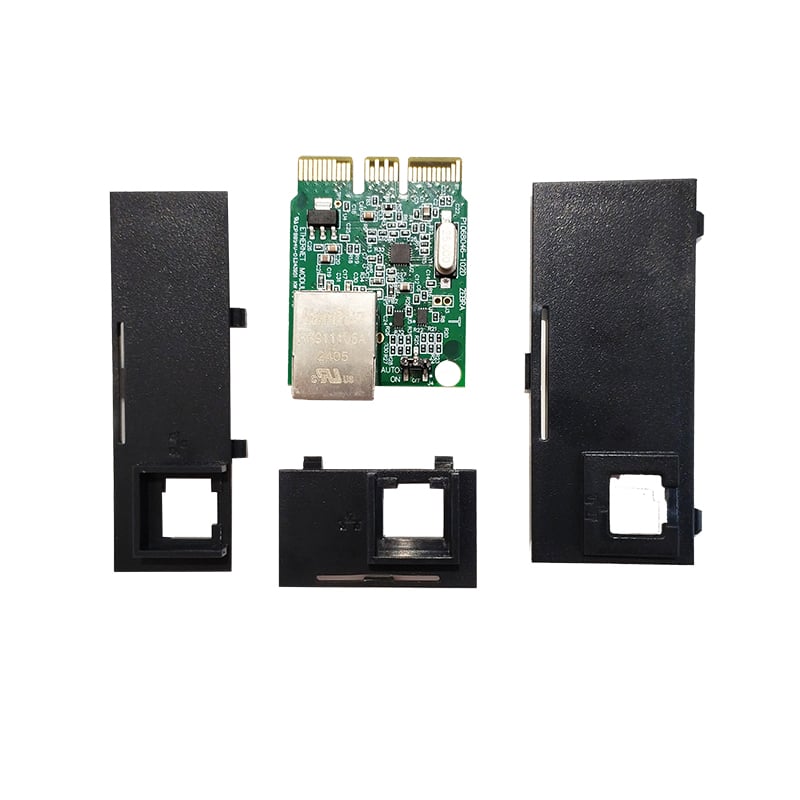
Input/Output Interfaces: Ensure compatibility with peripherals such as displays, printers, and  sensors. Common interfaces include USB, RS232, and Ethernet. Choosing a motherboard with the  right interface  will prevent integration issues with existing systems.

Power Supply Requirements: Evaluate the voltage and  current specifications to ensure compatibility with your operating environment. Some motherboards may offer  power-saving modes, which can be beneficial for reducing operational costs.

Durability and Environmental Resistance: Consider the operating temperature range, humidity tolerance, and protection against dust and moisture. For instance, motherboards designed for industrial  applications should be robust enough to withstand harsh  conditions.

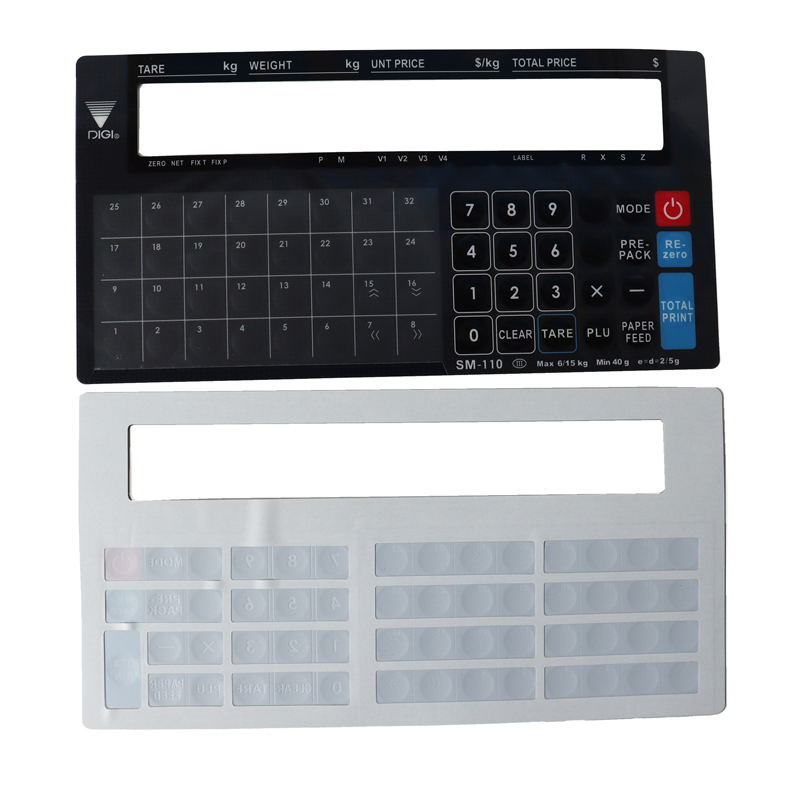
Firmware  and Software Compatibility: Look for  motherboards that support the required  software  platforms for your applications. This includes compatibility with  various weighing algorithms and data processing software. For example, the SM110 Paper Box for DIGI SM110 SM80 SM90 Barcode Scale can enhance software integration.

These  specifications not only  influence the performance of the weighing system but  also affect the overall efficiency and reliability of your operations.

Get a Free Quote

Our representative will contact you soon.
0/1000