Key Specs for Quality Barcode Scale Components

Welcome to our store!Black Friday Sale!

application/label-scale, application/label-scale, 
Inquiry
Inquiry

Label scale

Barcode scales play a vital role in various industries by streamlining inventory management, enhancing accuracy in weight measurements, and integrating with modern data systems. For purchasing managers and engineers, selecting high-quality barcode scale parts components is crucial to ensure operational efficiency and minimize downtime. This article will explore key specifications, durability evaluation, wholesale purchasing tips, common issues, and best practices in the context of durability of barcode scale products, providing essential insights for informed decision-making at SOSTAR.   

How to Evaluate the Durability of Barcode Scale Products?

Durability is a crucial factor when selecting barcode scale components, as it directly impacts operational efficiency and maintenance costs. Here are some considerations to evaluate durability: 

Testing Standards: Look for products that comply with recognized industry standards for durability. This can include testing for resistance to impact, moisture, and extreme temperatures. Manufacturers with rigorous quality control processes often provide documentation of these tests. 

User Feedback: Seek feedback from existing users regarding the longevity and performance of specific components. Reviews and testimonials can provide insights into real-world durability and any common issues encountered. 

Manufacturer Reputation: Consider wholesale purchasing tips from reputable manufacturers known for high-quality products. A company like SOSTAR, with its focus on rigorous quality control and in-house R&D, can often provide more reliable components.  

Warranty and Support: Evaluate the warranty offered on components. A longer warranty period can indicate confidence in product durability. Additionally, consider the availability of customer support for troubleshooting and maintenance advice. 

By taking these factors into account, buyers can select components that will offer reliable performance over time.  

Wholesale Purchasing Tips for Bulk Orders of Barcode Scales

When considering bulk orders of barcode scales, there are several best practices to ensure a smooth wholesale purchasing tips experience: 

Define Your Requirements: Clearly outline the specifications, such as model types, dimensions, and quantities needed. This helps suppliers provide accurate quotes and ensures that the components meet your needs. 

Request Samples: Before committing to a large order, request samples of the components. Testing these samples under real operational conditions will help confirm their suitability for your application. 

Assess Lead Times: Inquire about lead times for bulk orders, as these can vary significantly based on the manufacturer and the complexity of the components. Planning ahead can prevent delays in your operations. 

Negotiate Pricing: When ordering in bulk, there is often room for negotiation on pricing. Discuss potential discounts or terms that could benefit both parties. 

Check Supplier Certifications: Ensure that the supplier adheres to industry standards and possesses relevant certifications. This adds an extra layer of assurance regarding product quality and reliability. 

By following wholesale purchasing tips, managers can streamline the procurement process and secure the best components for their needs. 

Common Problems with Barcode Scales and Effective Solutions

Despite their reliability, barcode scales can experience common issues that may disrupt operations. Understanding common problems with barcode scales and their solutions is essential for maintaining efficiency: 

Calibration Issues: Inaccurate readings can arise from improper calibration. Regularly schedule calibration checks, especially after maintenance or when scales are moved. This ensures continued accuracy. 

Component Wear: Components like print head and sensors may wear out over time. Regular inspections can help identify worn ID card printer parts before they affect performance. Implementing a preventive maintenance schedule can extend the life of your scales. 

Connectivity Problems: Issues with data transfer between the scale and inventory management systems can occur. Ensure that all software is up-to-date and that connections are secure. Testing connectivity before operations can mitigate these issues. 

Environmental Factors: Exposure to extreme temperatures or moisture can impact performance. Ensure that scales are installed in suitable environments and that components are rated for the conditions they will face. 

By proactively addressing these problems, businesses can minimize downtime and maintain smooth operations. 

Best Practices

To maximize the efficiency and longevity of barcode scales, consider implementing the following best practices: 

Training Staff: Ensure that employees are adequately trained in the operation and maintenance of barcode scale components. This reduces the risk of user error and keeps operations running smoothly. 

Regular Maintenance: Schedule routine maintenance checks, including cleaning and inspections, to prevent issues from escalating. This includes checking for software updates and recalibrating as needed. 

Documentation: Keep detailed records of maintenance activities, calibrations, and any issues encountered. This documentation can help identify patterns and inform future wholesale purchasing tips decisions. 

Supplier Relationships: Maintain strong relationships with suppliers for ongoing support and advice. A reliable supplier like SOSTAR can provide valuable insights into product upgrades or new technologies that could enhance operational efficiency. 

By adhering to these best practices, businesses can ensure that their durability of barcode scale products operate effectively and provide reliable service over the long term.  

Key Specifications for High-Quality Barcode Scale Components

When evaluating barcode scale components, several specifications should be considered to ensure compatibility and performance. Key specifications include: 

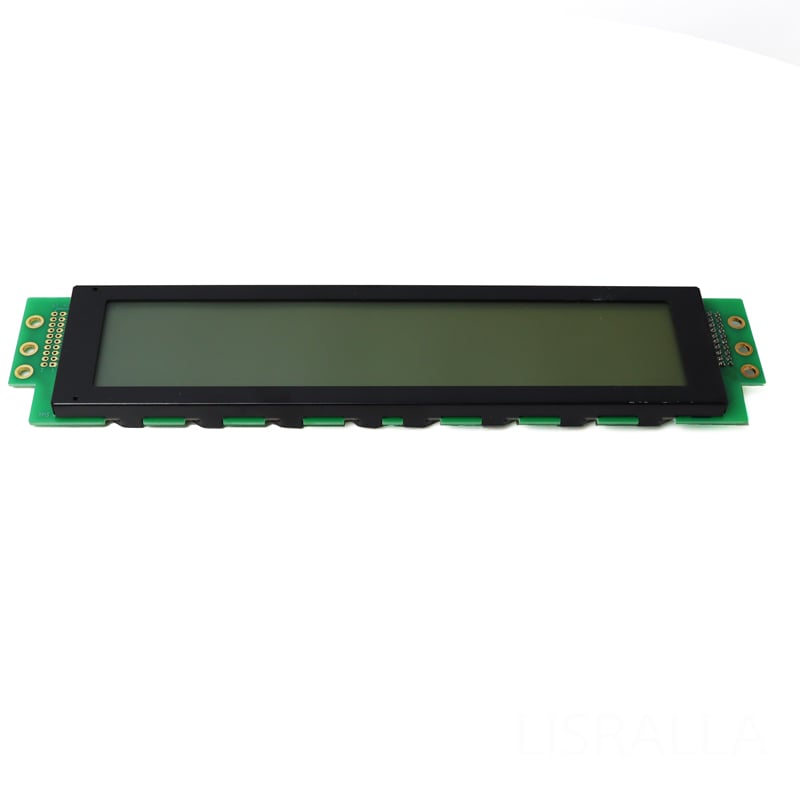
Material Composition: The materials used by SOSTAR in manufacturing barcode scale components, such as print head and sensors, significantly affect durability and performance. High-grade materials like thermoplastics and metals can withstand wear and tear better than lower-quality options. 

Dimensions and Weight Capacity: It's essential to select components that meet the specific dimensional requirements of your scale and can handle the maximum weight capacity expected in your operations. This ensures that the scale performs optimally under various conditions. 

Resolution and Accuracy: The precision of barcode scale components is often indicated by their resolution (measured in grams or ounces). Higher resolution enhances accuracy in weight measurement, which is critical for applications in manufacturing and logistics. 

Operating Temperature Range: Components should be suitable for the environmental conditions in which they will operate.  For example, if the scale is used in a cold storage facility, ensure that the components can function effectively at lower temperatures. 

Understanding these specifications helps buyers assess the quality and suitability of barcode scale components for their specific applications.  

Frequently Asked Questions

What is a label scale and its primary use?

A label scale prints price and barcode labels for retail weighing. It integrates weighing, labeling, and barcode printing to streamline checkout and inventory processes.
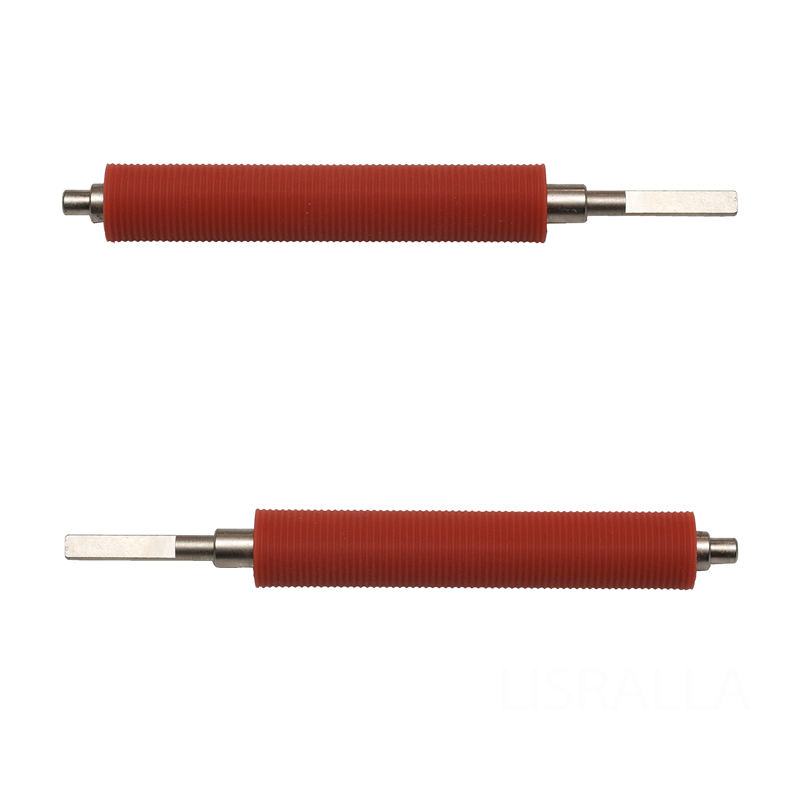
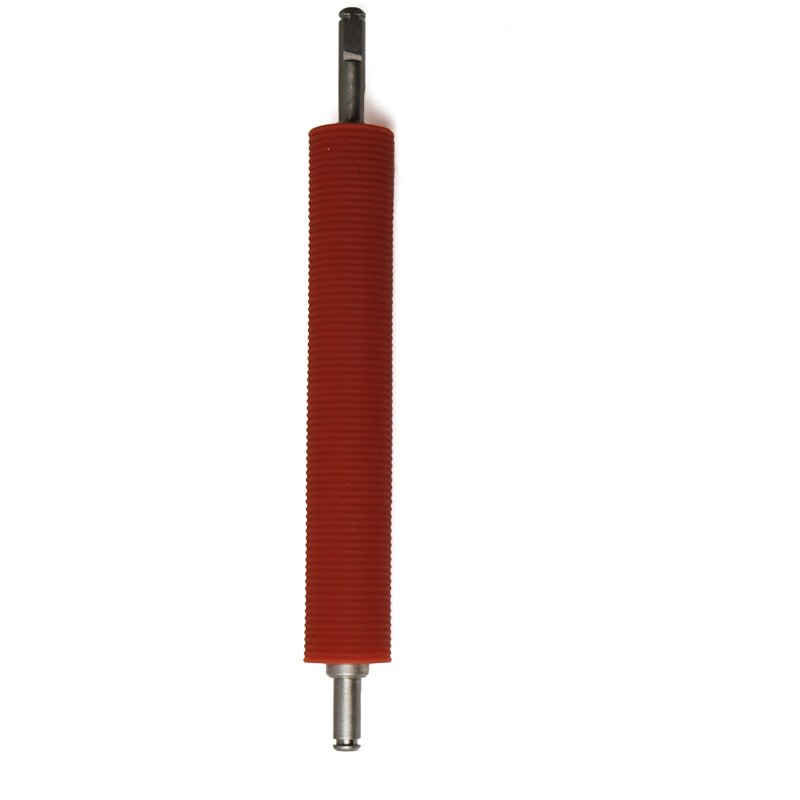
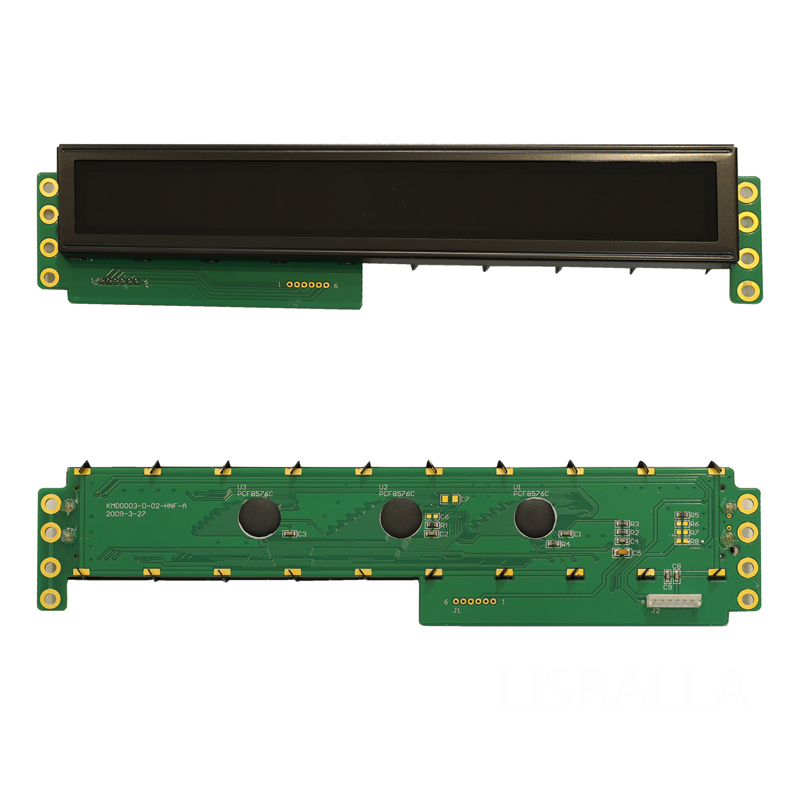
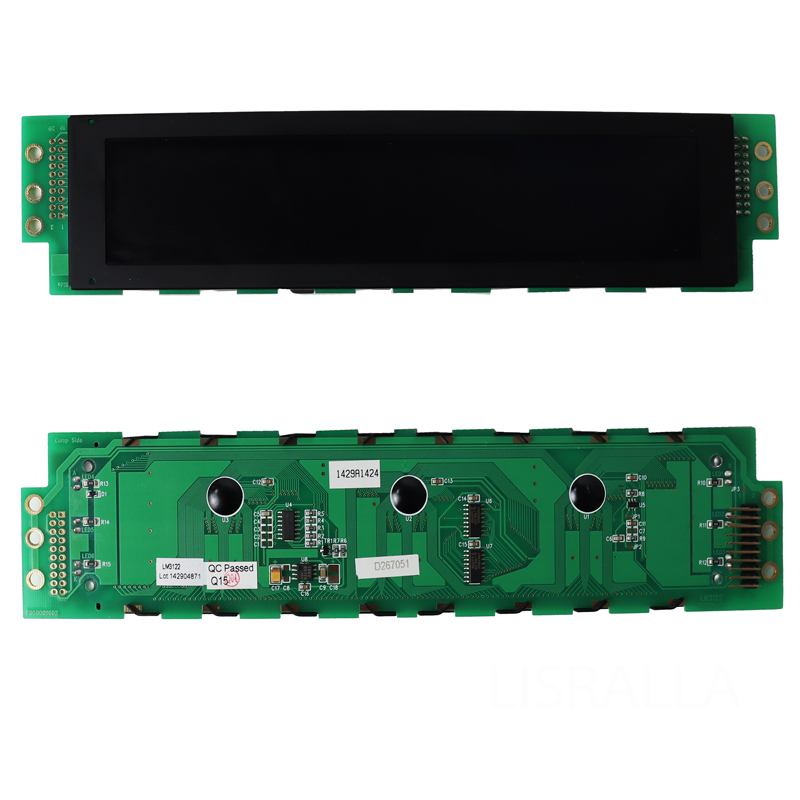
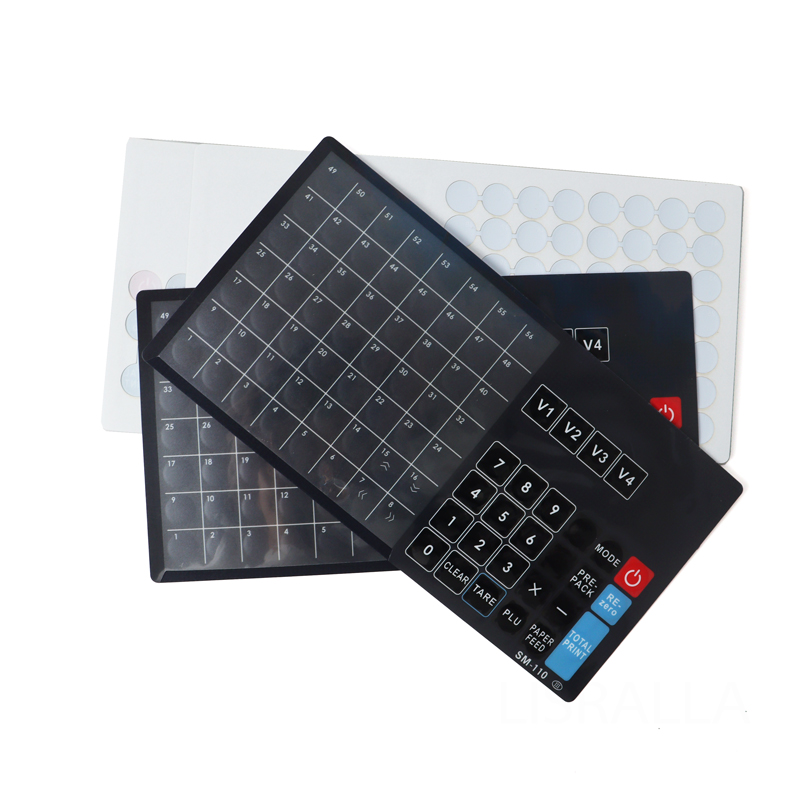
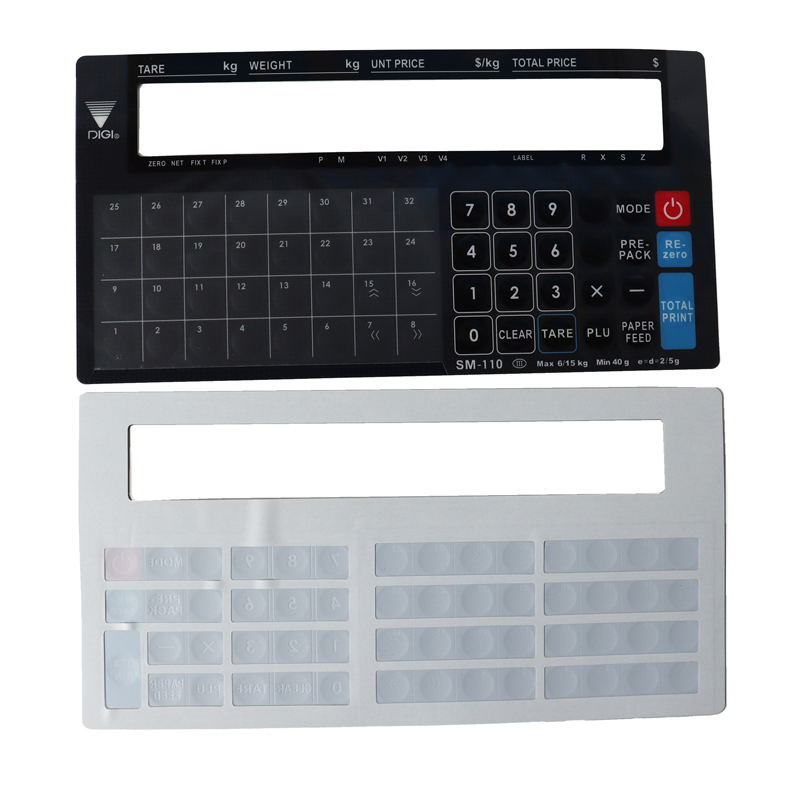
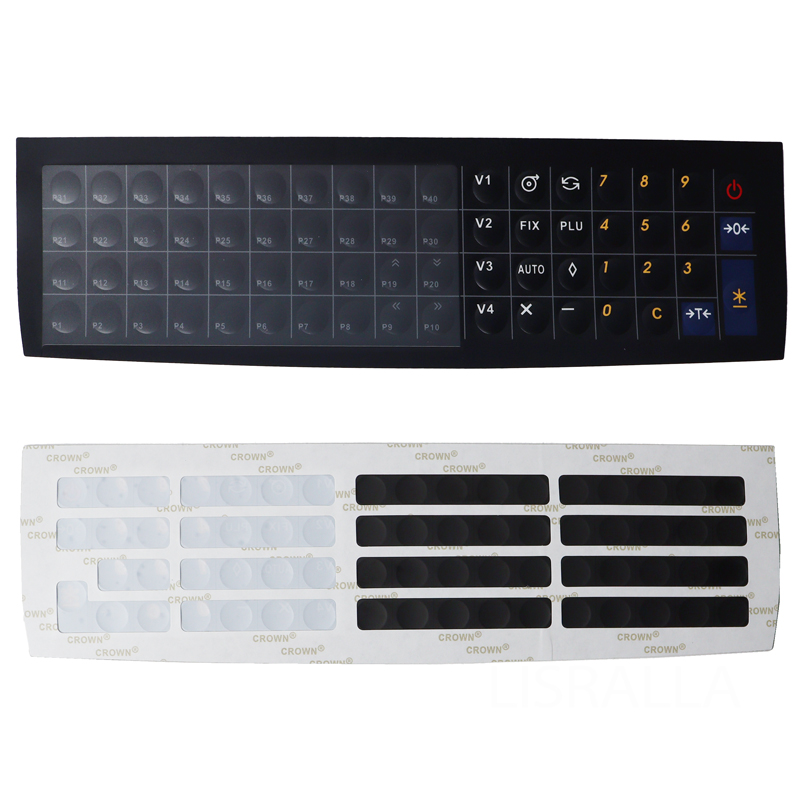
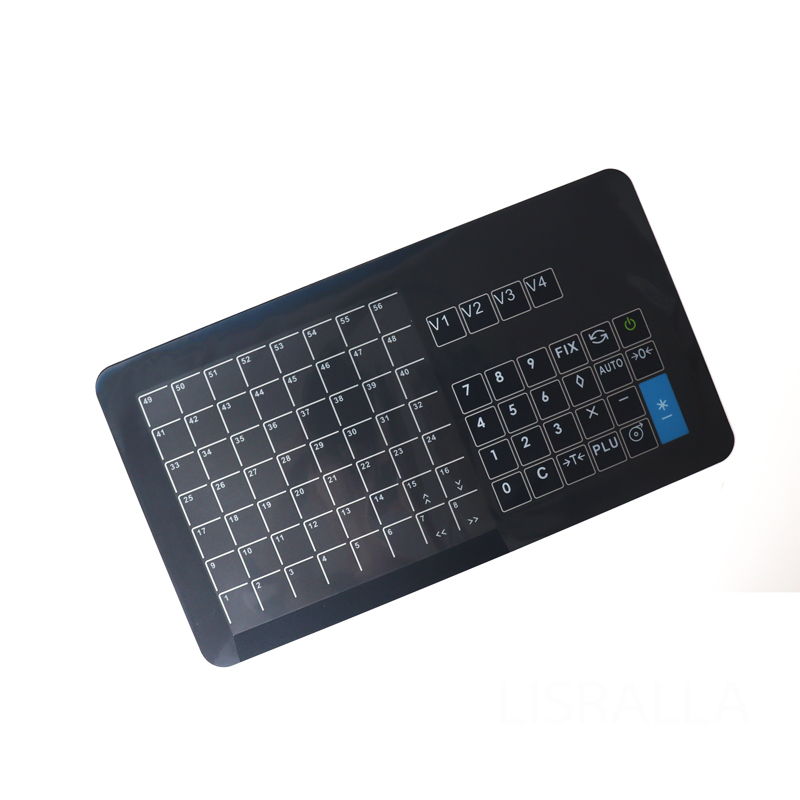
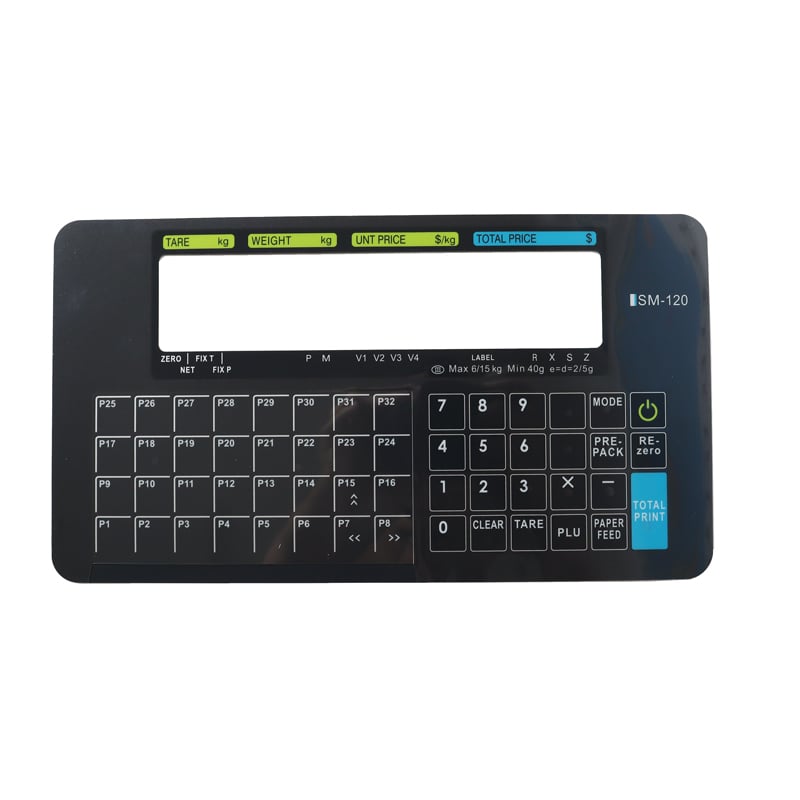
We supply printheads, rollers, sensors, and keyboards compatible with common label scale models, all produced with strict quality control.
Our in-house R&D designs parts to match original specifications and we test compatibility across models to ensure proper fit and function.
Components undergo incoming material checks, precision manufacturing, functional tests, and final inspections to ensure durability and stable performance.
Contact our sales team with your scale model and part code. We provide compatibility advice, lead times, and after-sales support for installation and troubleshooting.

Get a Free Quote

Our representative will contact you soon.
0/1000