How to Choose the Right Barcode Label Scale

Focus on spare parts for label scale and thermal printer

application/barcode-label-scale, application/barcode-label-scale, 
Inquiry
Inquiry

Barcode label scale

Barcode label scales are essential tools  in various industries, combining  the functionality of  weighing and  barcode  scanning  to streamline inventory management and sales  processes.  For B2B buyers,  selecting the right barcode label scale involves addressing key  concerns such as compatibility, durability,  and precision.  This article aims  to guide purchasing managers, engineers, and  product managers through the critical  aspects of selecting a  barcode label  scale,  ensuring that  they make informed purchasing decisions that align with their operational  requirements.

Key Specifications to Consider When Choosing a Barcode Scale

Several specifications play a critical role in  the performance and reliability of barcode label scales. Here are the key specifications  to review: 

Capacity and Readability: Ensure that the scale can handle the maximum  weight of your products and check its readability, typically measured in grams or ounces. A scale with a high  readability  ratio allows for  precise measurements,  critical in industries like food service and  pharmaceuticals. 

Print  Resolution: For barcode labels, the print resolution directly impacts scannability.  A resolution of at least 200 DPI is ideal for producing clear and reliable barcodes. 

Platform Size: The  size  of the weighing platform should be compatible  with the products you intend to weigh. A larger platform may be necessary  for bulk items or packages, while smaller platforms  suffice for individual products. 

Power  Supply: Consider whether the scale operates on batteries or requires a constant power supply. Scales with rechargeable batteries offer  portability, which can be  advantageous in various operational settings. 

Software Compatibility: Ensure that the scale can interface with your  existing software  systems for inventory management or sales processing. Look for models that support common operating systems and software platforms, such as the thermal label printer.

What to Look for in Barcode Label Scales

When evaluating barcode label scales, prioritize  durability and stability. Choose  models constructed  from high-quality materials that can withstand the rigors of daily use in industrial environments.  Look for  scales that feature robust casings  and corrosion-resistant components, particularly  if they  will be used in humid or harsh environments. 

Additionally, pay attention to the scale's calibration features. Automatic calibration  can  save time  and ensure consistent accuracy. If  manual calibration is required, ensure that the scale  includes clear instructions and  necessary  adjustment  weights. 

Another critical consideration is the  warranty and support offered by the manufacturer. A comprehensive warranty demonstrates the manufacturer’s confidence in their product, and responsive customer support  can  be invaluable for resolving issues that arise during operation.

Where to Source Reliable Barcode Label Scales for Wholesale Orders

Sourcing reliable barcode label scales for wholesale orders  requires careful evaluation of potential suppliers.  Start by  looking for manufacturers with a proven track record in the industry, such as Guangzhou SOSTAR Smart Technology Co., Ltd., which specializes in  manufacturing barcode scales and related components. 

Evaluate suppliers based on their production capabilities and  quality control processes. A manufacturer with in-house R&D and strict QC measures  is likely to deliver high-quality, durable products. Additionally, inquire about  their certifications and compliance  with industry standards, as these can  be indicative of their commitment to quality. 

When requesting quotes, provide comprehensive details such  as  the model,  specifications, and expected  order volume.  This information will help suppliers  offer  accurate pricing and lead times. Also, consider the supplier's ability  to accommodate  customization  requests, as tailored solutions can  enhance  the effectiveness of your operations.

Applications of Barcode Label Scales in Various Industries and Sectors

Barcode label scales find applications across multiple sectors, enhancing  operational efficiency and accuracy. In the retail industry, these scales streamline the checkout process by  providing accurate weight measurements alongside product identification, ensuring quick and efficient transactions. 

In logistics and warehousing, barcode label scales facilitate inventory management by allowing for the accurate weighing and labeling of products before  shipping. This minimizes errors in shipping weights and  improves overall inventory accuracy. 

In the food and beverage sector,  compliance with health regulations often requires precise weight measurements. Barcode label scales enable businesses  to  label  products with accurate weight information, helping ensure  compliance and customer satisfaction. 

In pharmaceuticals, accurate  labeling is crucial for regulatory compliance and customer safety. Barcode label scales  ensure that products are weighed and labeled correctly,  reducing the risk of errors that can have serious consequences. 

In summary, understanding the specific requirements of your  industry and evaluating barcode label  scales based on key specifications will lead to better purchasing decisions. By partnering with a reputable  manufacturer like Guangzhou SOSTAR  Smart  Technology Co., Ltd.,  businesses can ensure they receive high-quality, durable  barcode label scales  that meet their operational needs. For example, consider options like the label thermal printer for reliable performance.

How to Select the Right Barcode Label Scale for Your Needs

When choosing a SOSTAR barcode label  scale,  it’s crucial  to evaluate your specific operational requirements. Begin by assessing the scale's capacity to handle the weight  of the products you  typically sell or manage. For instance, if your business predominantly deals with lighter items, a scale with a lower weight capacity  may suffice. Conversely, for heavier products, ensure the scale can accommodate those weights without  compromising accuracy. 

Next, consider the  scale's connectivity  options. Many modern barcode label scales offer  Bluetooth or USB connectivity, enabling seamless integration with existing inventory management systems. This feature is particularly beneficial for businesses looking to streamline their operations and improve data accuracy. Additionally, evaluate  the scale's interface—user-friendly displays and intuitive controls can significantly enhance operational efficiency. For example, models such as the printer label thermal provide excellent connectivity features. 

Lastly, think about the environment  in which the  scale will be used.  If your operations involve exposure  to moisture  or dust, selecting a scale with a higher IP rating for dust  and  water resistance  is essential  for long-term reliability.

Frequently Asked Questions

What components do you supply for barcode label scales?

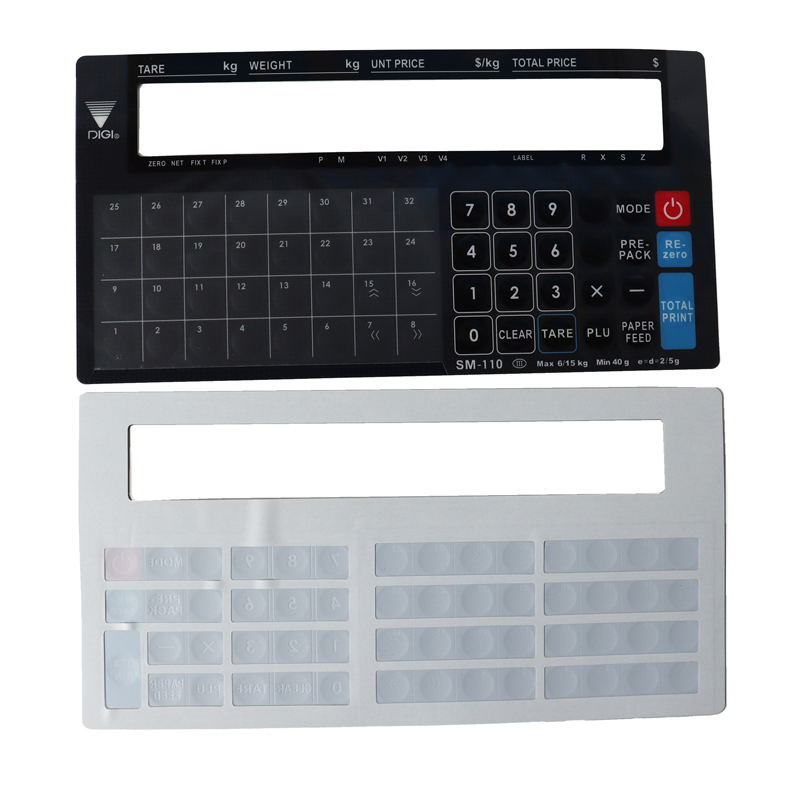
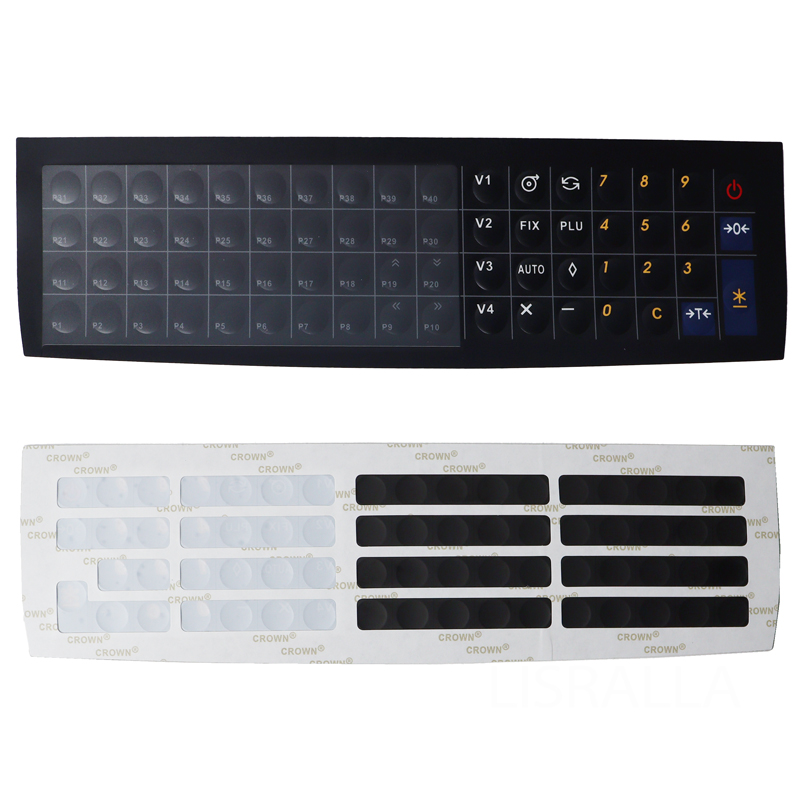
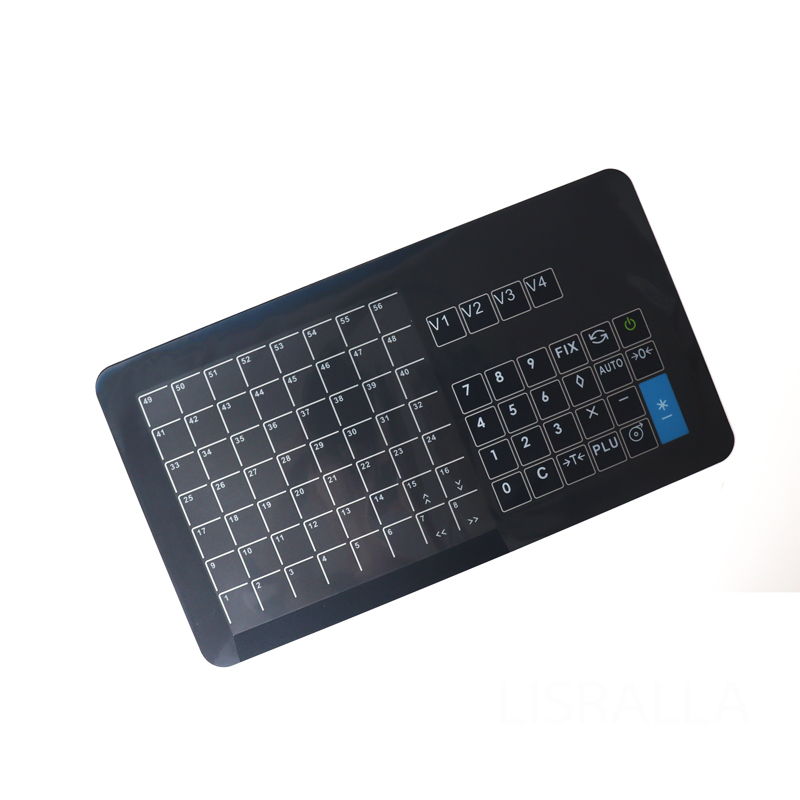
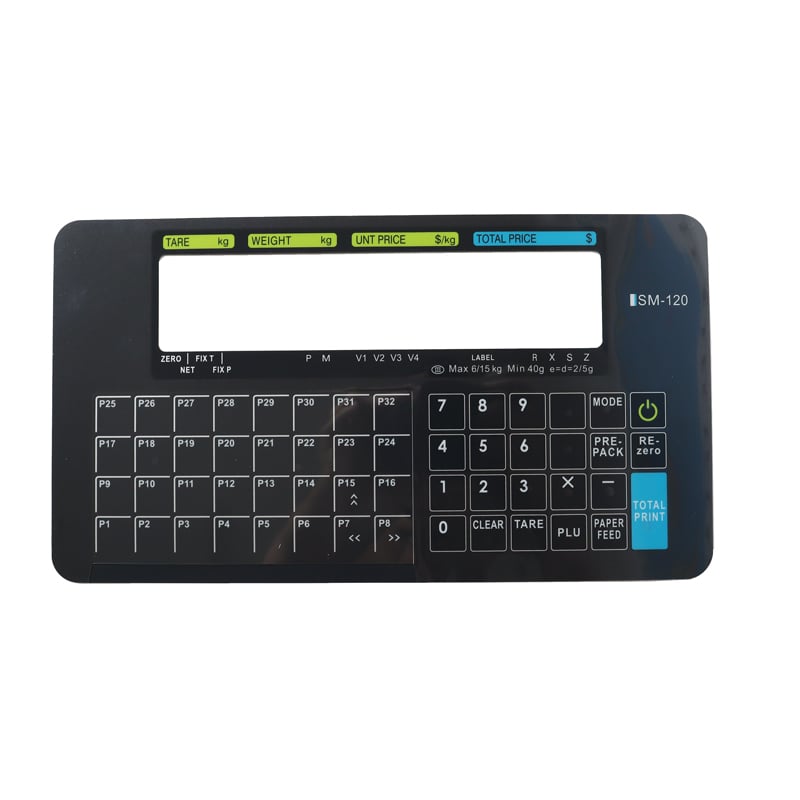
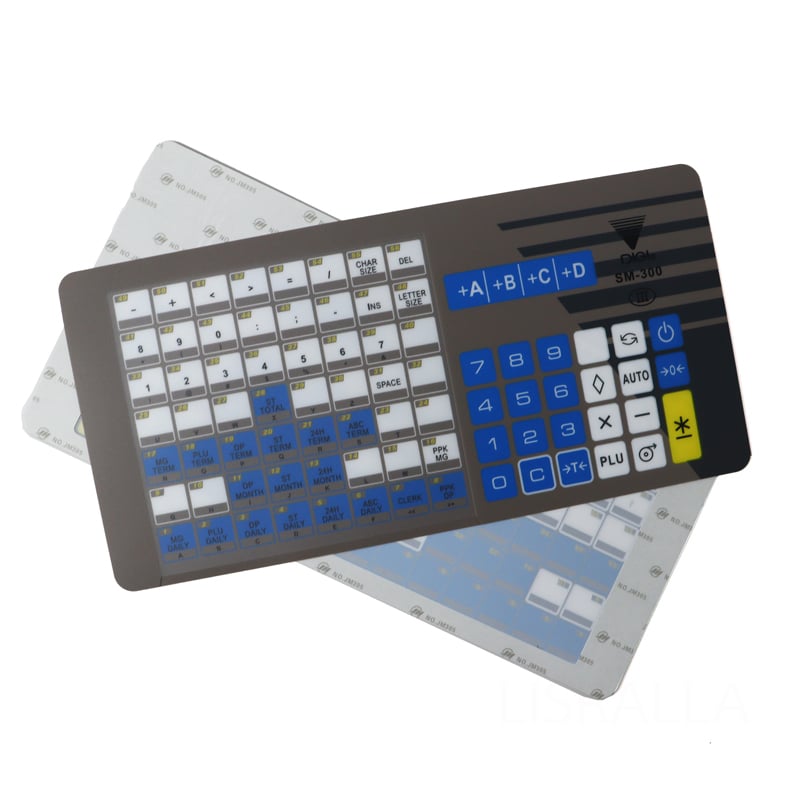
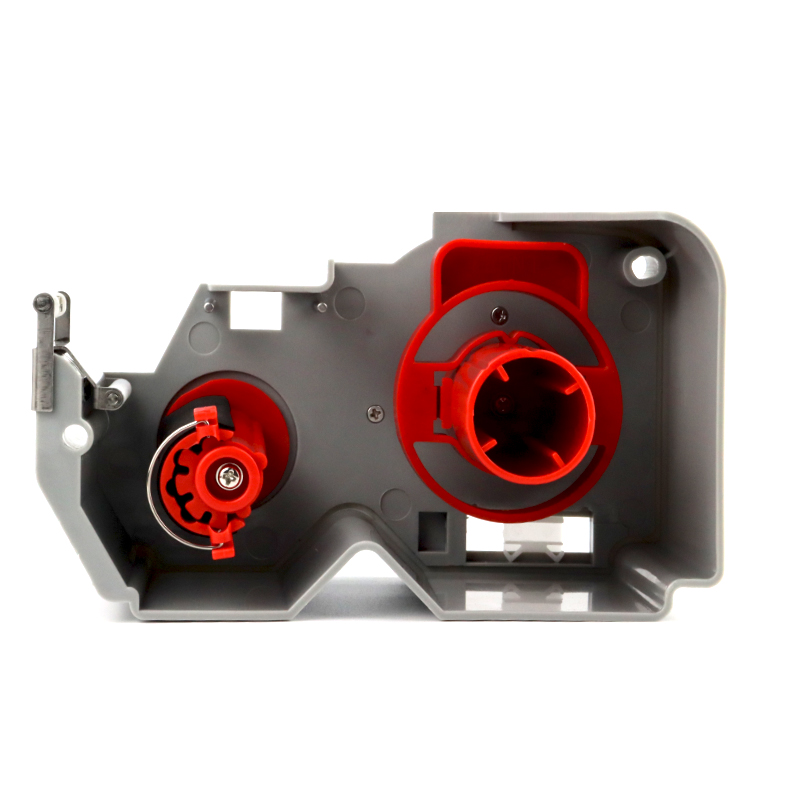
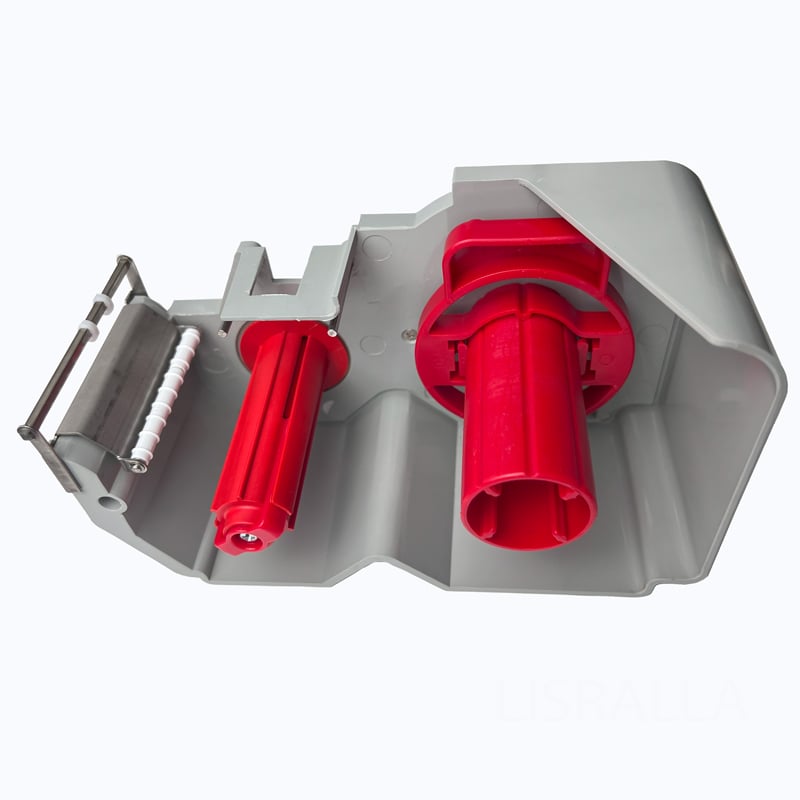
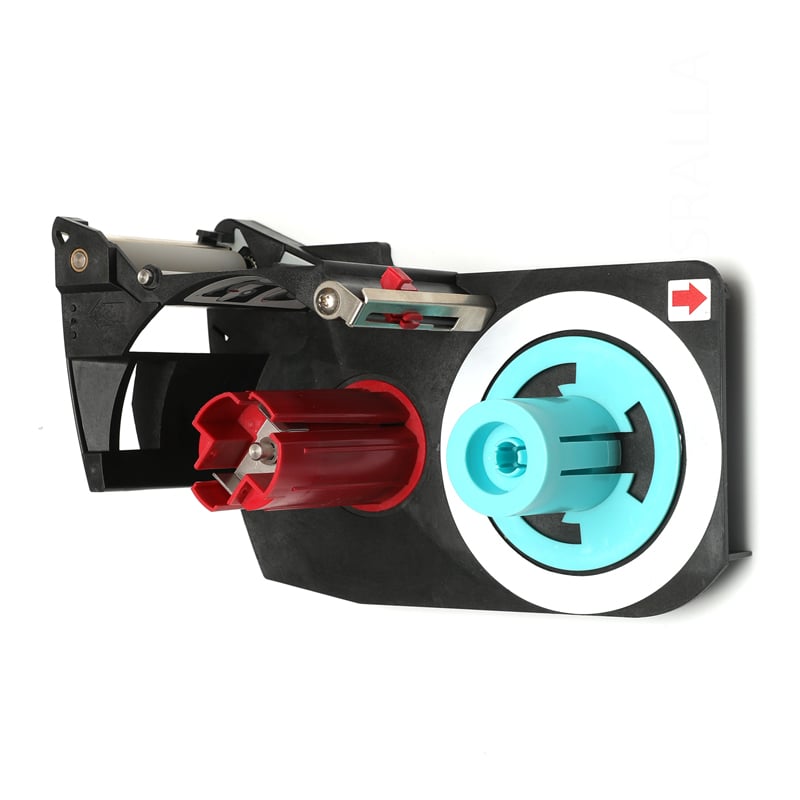
We supply printheads, rollers, sensors, keyboards and other spare parts compatible with barcode label scales and printers.
Yes. Our in-house R&D ensures high compatibility across many barcode scale and printer models for reliable replacements.
Strict quality control and in-house R&D test materials and performance to ensure durable, stable components meeting global standards.
Yes. We support bulk orders with consistent QC and can accommodate volume needs for distributors and service providers.
Yes. We provide technical guidance for installation, compatibility checks and troubleshooting to help integrate spare parts smoothly.

Get a Free Quote

Our representative will contact you soon.
0/1000