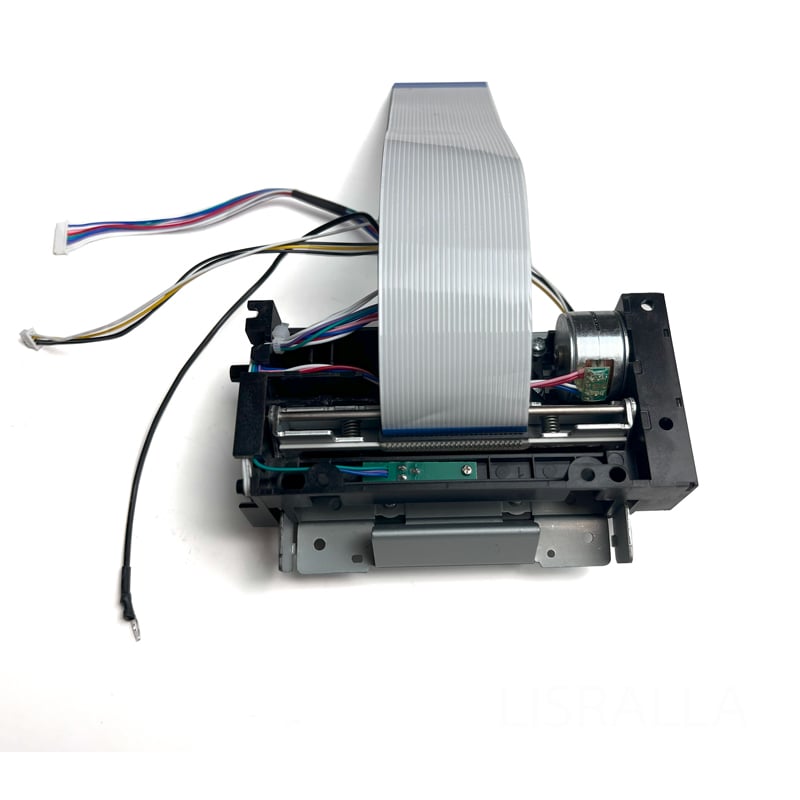
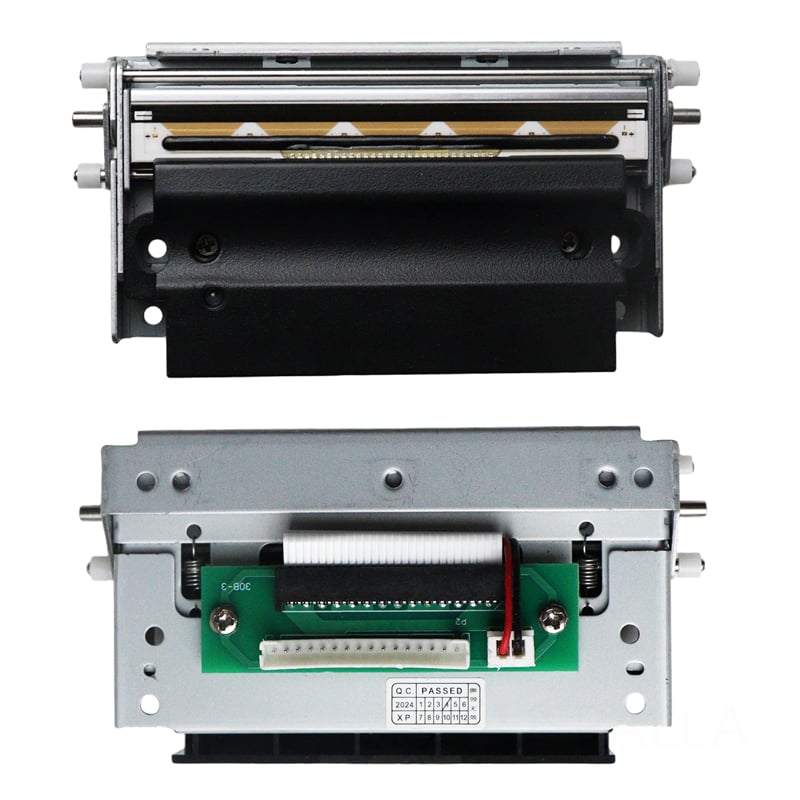
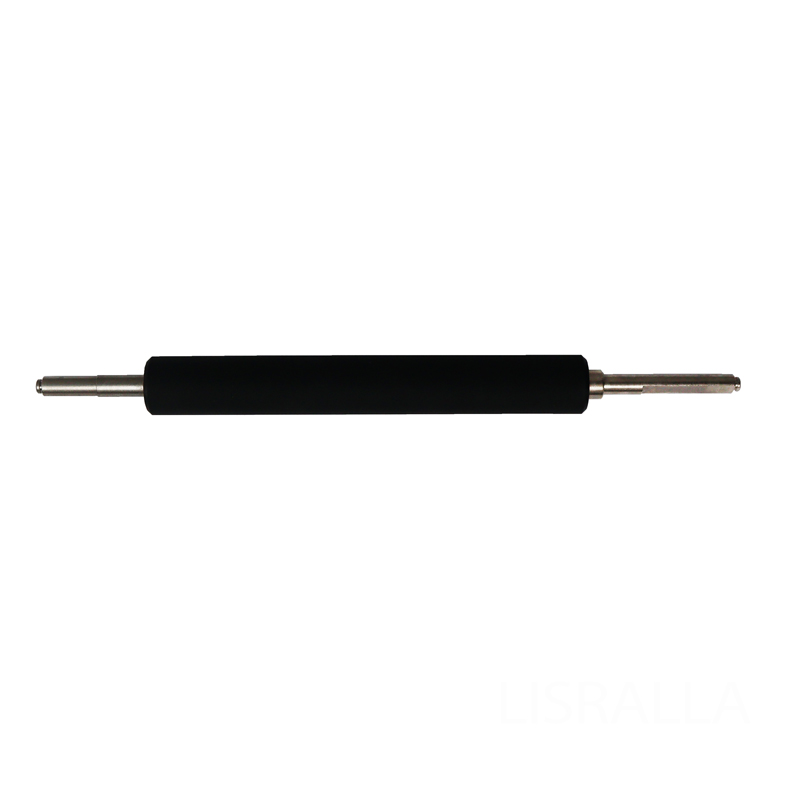
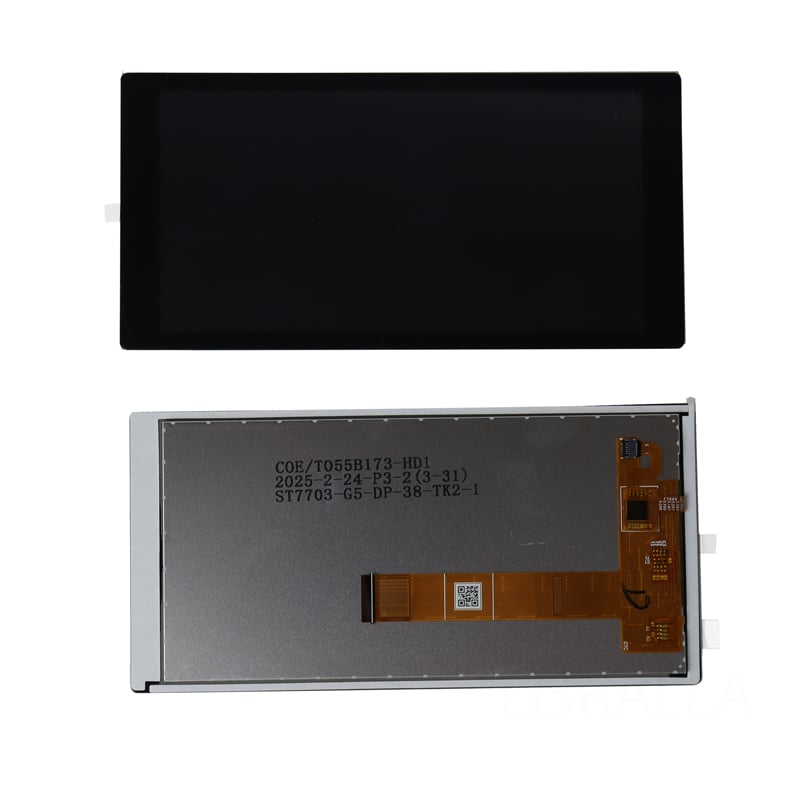
Key Specifications for Thermal Printer Labels

Focus on spare parts for label scale and thermal printer

application/printer-label-thermal, application/printer-label-thermal, 
Inquiry
Inquiry

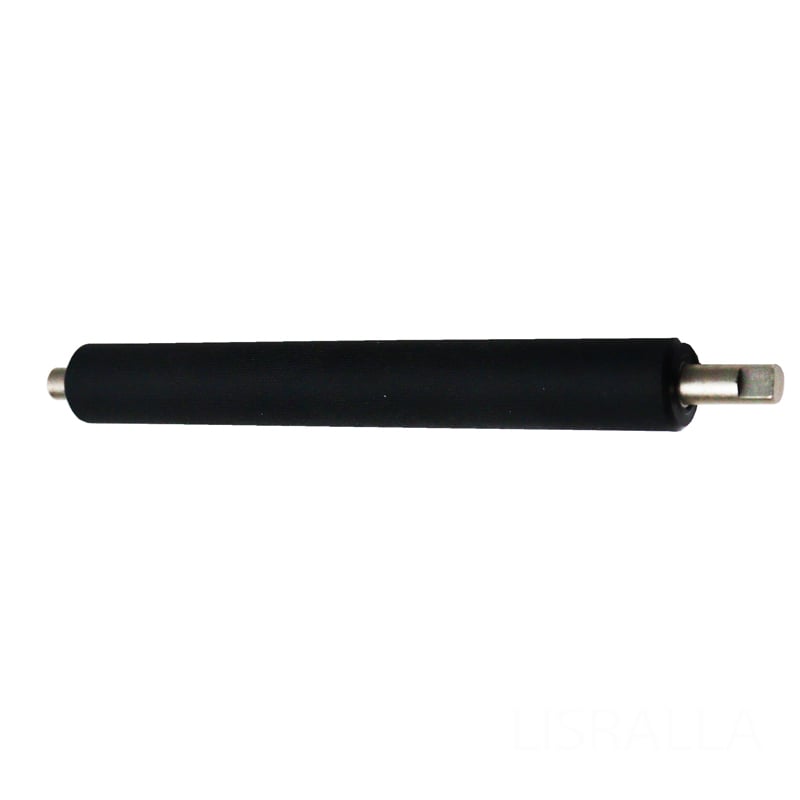
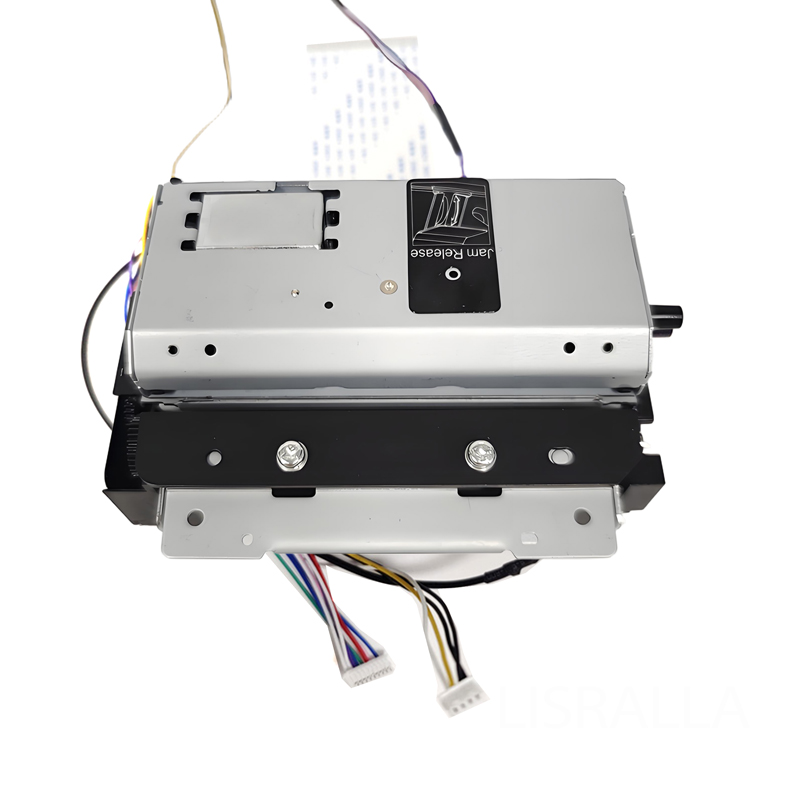
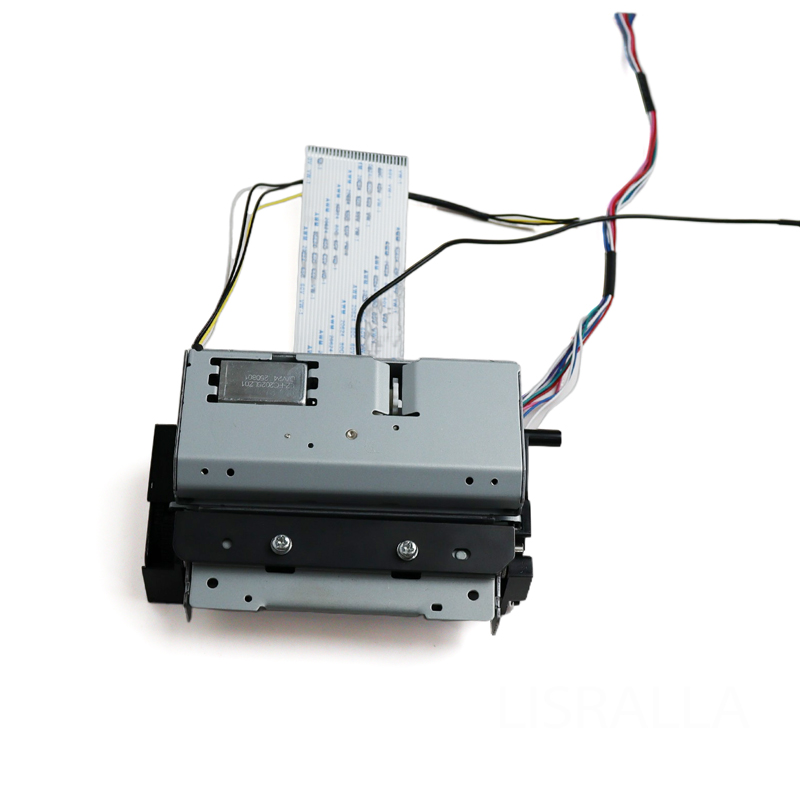
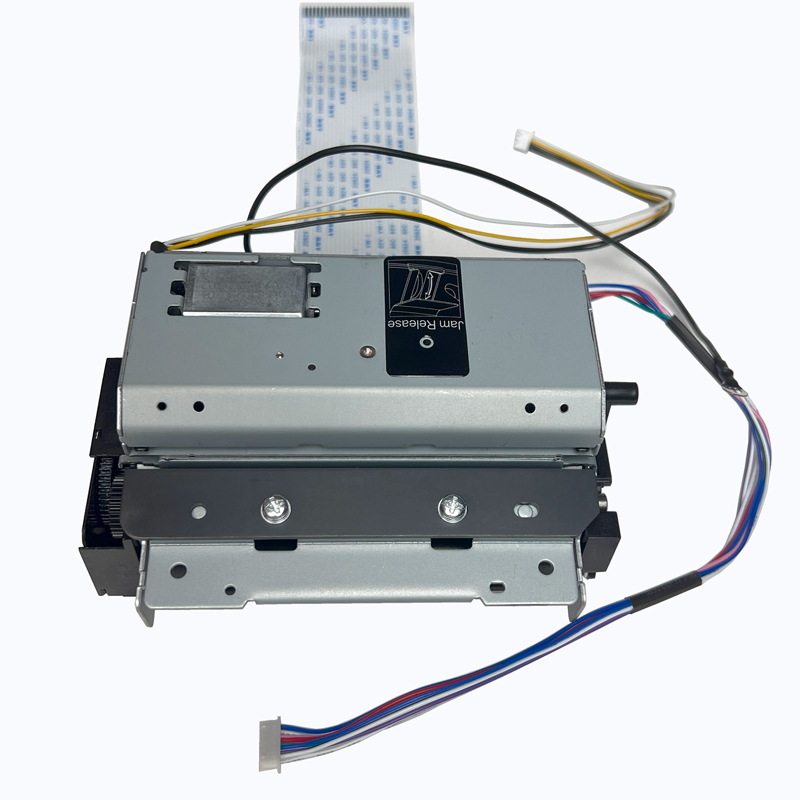
Printer label thermal

Understanding thermal printer labels is crucial for businesses that rely on accurate and efficient labeling solutions. As a key component in barcoding and product identification, these labels need to meet specific performance criteria to ensure they work seamlessly with Thermal Printer Parts., we will explore the essential specifications to consider when sourcing thermal printer labels, what makes them durable, where to find reliable suppliers, the cost benefits associated with these labels, and best practices for ensuring optimal use.

Why choose SOSTAR Printer label thermal

Key Specifications to Consider When Sourcing Thermal Printer Labels

When sourcing thermal printer labels, several critical specifications should be evaluated to ensure compatibility and performance: 

Label Material: The material affects durability, adhesion, and print quality. Common materials include direct thermal paper, which is sensitive to heat and ideal for short-term labeling, and thermal transfer materials, which require a ribbon for printing and offer higher durability. 

Size and Dimensions: Labels come in various sizes. Ensure the dimensions fit your printer and application. Standard sizes may suit common applications, while custom sizes may be necessary for specific products. 

Adhesive Type: The adhesive should match the application environment. Permanent adhesives are suitable for most applications, while removable adhesives are better for labels that need to be changed frequently. 

Print Compatibility: Ensure the labels are compatible with your specific Barcode Scale Parts model. This includes checking the printer's resolution and the required label thickness. 

Finish and Coating: Glossy or matte finishes can influence the appearance and durability of the labels. A protective coating can enhance resistance to moisture, chemicals, and abrasion. 

Roll Specifications: Check the roll diameter, core size, and label count per roll, as these factors affect how labels are fed into the printer.  

By confirming these specifications, buyers can avoid compatibility issues that may lead to production delays or increased costs.

Frequently Asked Questions

Our Blog Posts

What Our Partners Say

What Makes Durable Thermal Printer Labels?

Durability in SOSTAR thermal printer labels is determined by several factors: 

Material Quality: High-quality materials like synthetic films (e. g., polypropylene or polyester) offer better resistance to moisture, chemicals, and tearing than standard paper labels. This is essential for labels used in harsh environments. 

Adhesive Strength: A strong adhesive ensures that the label stays affixed to the product throughout its lifecycle. For applications exposed to extreme temperatures or humidity, selecting an adhesive designed for those conditions is critical. 

Print Technology: The method of printing can also affect durability. Thermal transfer printing typically produces more durable labels than direct thermal printing, as the ink is less susceptible to fading and smudging. 

Environmental Resistance: Labels intended for outdoor use should be UV-resistant to prevent fading and should also resist water and abrasion. Discussing environmental exposure with suppliers can guide material selection. 

Testing Standards: Suppliers should adhere to industry standards for labeling durability. Testing labels under various conditions can help ensure they will perform as needed. 

Understanding these factors helps buyers select labels that will withstand the intended application, reducing the risk of failure and re-labeling costs.

Where to Find Reliable Suppliers for Thermal Printer Labels

Finding reliable suppliers for thermal printer labels involves several key steps: 

Industry Recommendations: Seek recommendations from industry peers or professional networks. Suppliers with a proven track record in your specific sector (e. g., retail, logistics, or manufacturing) tend to understand the unique requirements of different applications. 

Online Research: Conduct thorough online research. Look for suppliers that specialize in ID Card Printer Parts solutions. Check their websites for product catalogs, specifications, and customer testimonials. 

Quality Certifications: Evaluate suppliers based on their quality control processes and certifications. ISO certifications can indicate a commitment to quality standards. 

Sample Testing: Request samples before committing to large orders. This allows for testing compatibility and durability under actual operating conditions. 

Customer Support: Assess the supplier's customer service. A supplier that offers prompt responses, technical support, and clear communication can be invaluable during the purchasing process and beyond. 

Trade Shows and Industry Events: Attend relevant trade shows or industry conferences to meet suppliers, see products firsthand, and discuss your specific needs. 

By carefully evaluating potential suppliers, businesses can establish partnerships that ensure a consistent supply of high-quality thermal printer labels. 

Cost Benefits Explained

Investing in quality SOSTAR thermal printer labels may appear more expensive initially, but the long-term cost benefits can be substantial: 

Reduced Downtime: High-quality labels that are compatible with your thermal printers minimize production interruptions caused by label jams or misprints. This leads to increased operational efficiency. 

Lower Re-labeling Costs: Durable labels decrease the frequency of replacement, reducing labor costs associated with re-labeling products. 

Improved Supply Chain Efficiency: Reliable labels enhance inventory management and tracking, leading to fewer errors and a smoother supply chain process. 

Enhanced Brand Image: Well-printed labels contribute to a professional appearance, which can positively influence customer perceptions and brand loyalty. 

Customization Options: Many suppliers offer customization, which can help streamline operations by providing labels tailored to specific applications, further reducing waste and improving efficiency. 

By considering these cost benefits, businesses can make more informed purchasing decisions that contribute to overall profitability.

Best Practices

To ensure optimal performance from SOSTAR thermal printer labels, consider the following best practices: 

Sample Testing: Always test samples of labels in your specific printing environment before placing orders. This helps you identify potential issues early. 

Proper Storage: Store labels in a cool, dry place away from direct sunlight to maintain quality and performance. Improper storage can lead to degradation of materials and adhesives. 

Printer Maintenance: Regularly maintain and clean your thermal printer to prevent issues like smudging or misalignment caused by dust and debris. 

Training Staff: Train staff on the correct handling and application of labels to avoid common mistakes that can lead to printing errors or product mislabeling. 

Documentation: Keep records of label specifications and supplier information for easy reference in future orders or troubleshooting. 

By implementing these best practices, businesses can enhance the effectiveness of their labeling processes and avoid common pitfalls associated with thermal printer labels. 

In summary, understanding the specifications, durability factors, supplier reliability, cost benefits, and best practices related to thermal printer labels can empower B2B buyers to make informed decisions that enhance their labeling solutions.