Understanding Thermal Printers for Effective Sourcing

Welcome to our store!Black Friday Sale!

application/thermalprinter, application/thermalprinter, 
Inquiry
Inquiry

Thermalprinter

Understanding SOSTAR thermal printers is crucial for businesses looking to streamline their labeling and printing processes. As a key component in various industries, these devices provide essential functions such as producing high-quality labels, receipts, and tags. B2B buyers, including purchasing managers and engineers, often seek durable and reliable thermal printers that can meet specific operational needs. This article will guide you through the essential specifications, sourcing tips, quality evaluation, cost considerations, and diverse applications of thermal printers.

Why choose SOSTAR Thermalprinter

Sourcing from Reliable Suppliers

When evaluating SOSTAR thermal printers, several key specifications should be considered to ensure the product meets your operational needs.  

Print Resolution: Typically measured in dots per inch (dpi), print resolution affects the clarity of text and images. A higher dpi results in sharper prints, which is especially important for barcodes and detailed graphics. Common resolutions range from 203 dpi to 600 dpi, depending on the application.  

Printing Speed: Measured in millimeters per second (mm/s), printing speed is crucial in high-volume environments. Thermal printers can vary from 75 mm/s to over 300 mm/s. Consider your printing volume and speed requirements to select a suitable model.  

Media Compatibility: Ensure the printer can handle the types of media you plan to use, such as labels, tags, or receipts. Check the maximum width and thickness of media the printer can accommodate, as well as types like direct thermal or thermal transfer.  

Connectivity Options: Look for printers with diverse connectivity options like USB, Ethernet, Bluetooth, or Wi-Fi. This flexibility can enhance integration with existing systems and devices. 

Durability and Build Quality: The environment in which the printer will be used can impact its longevity. Printers designed for heavy-duty use often feature reinforced housings and components that withstand wear and tear. 

These specifications should be cross-referenced with your operational demands to ensure a perfect match for bulk orders.

Frequently Asked Questions

Our Blog Posts

What Our Partners Say

What Buyers Should Know

Finding the right supplier for thermal printers is essential for securing quality products and maintaining supply chain efficiency. Here are some tips for wholesale sourcing: 

Research Supplier Reputation: Look for suppliers with a proven track record in the thermal printer industry. Check for customer reviews, testimonials, and case studies that showcase their reliability and product quality. 

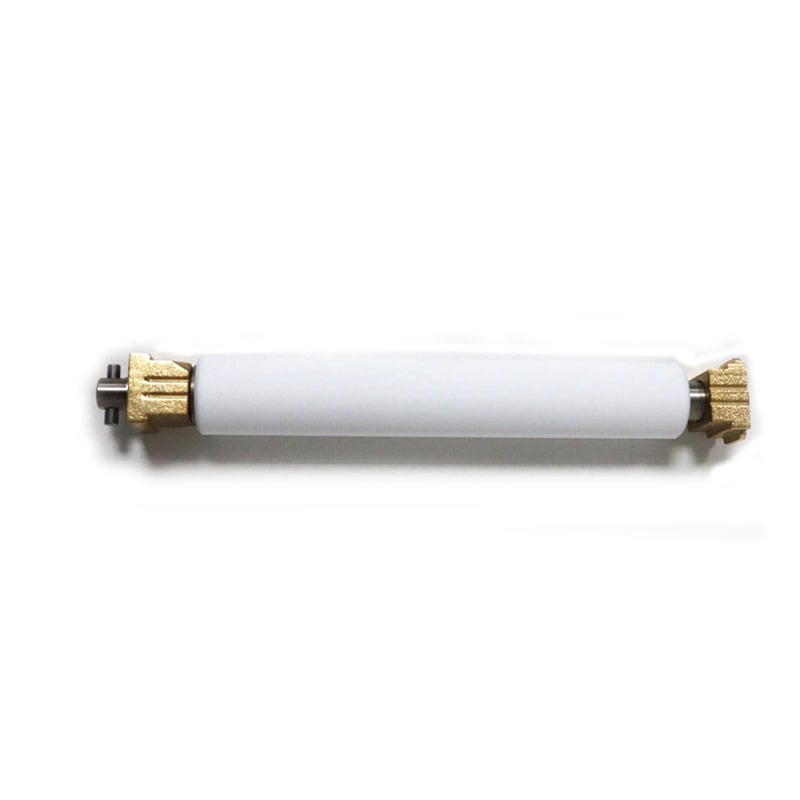
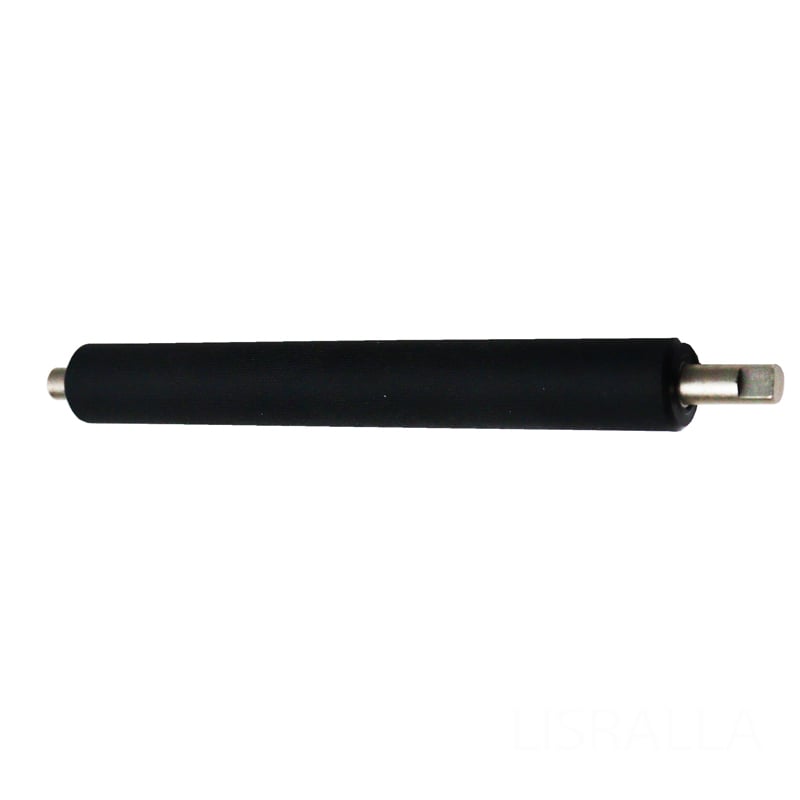
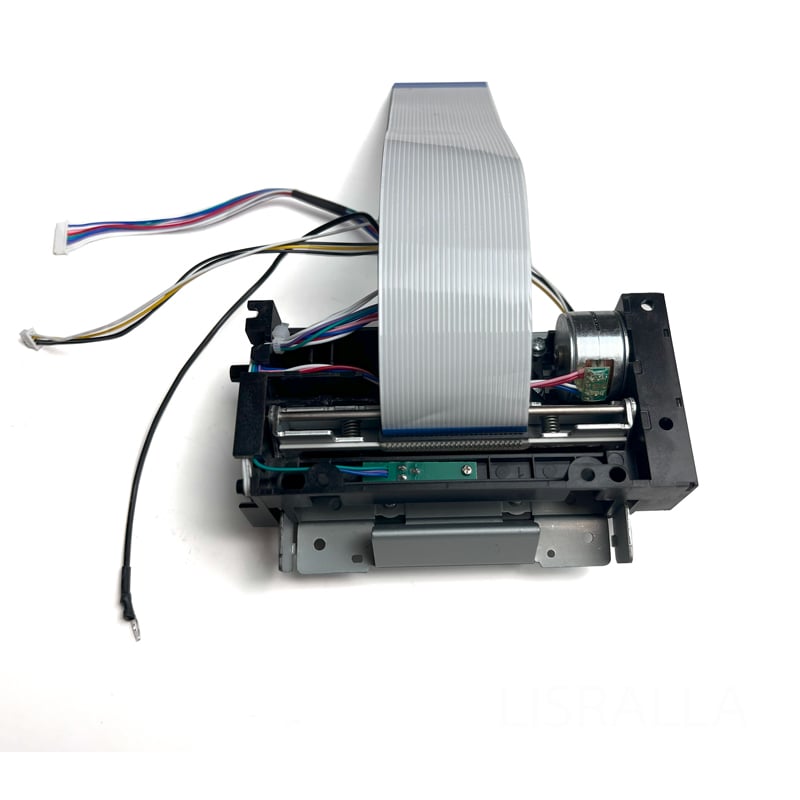
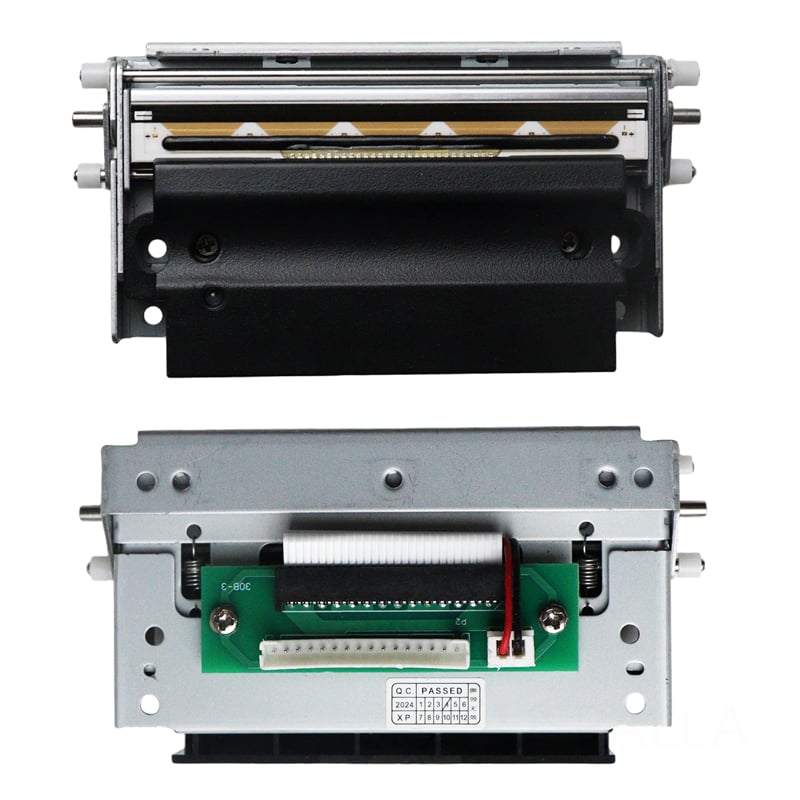
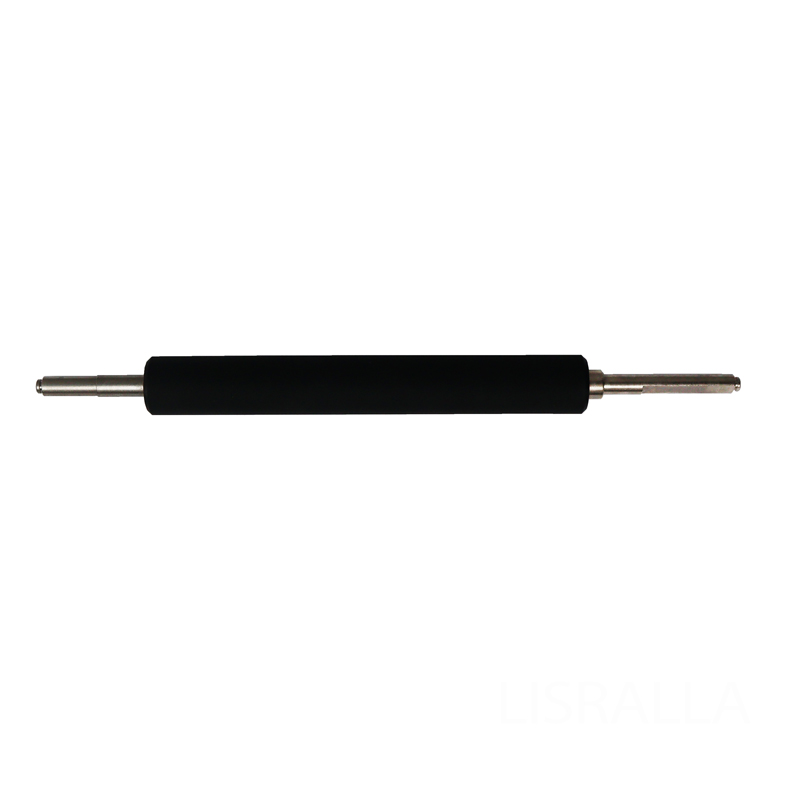
Evaluate Product Range: A supplier offering a diverse range of Barcode Scale Parts and spare parts, such as printheads and rollers, is beneficial for meeting varying customer needs. This can also simplify sourcing logistics. 

Request Samples: Before committing to a large order, request samples to evaluate print quality, build durability, and compatibility with your existing systems. This hands-on assessment is crucial for quality assurance. 

Check Certifications: Ensure that the supplier adheres to relevant industry standards and certifications. Certifications can indicate a commitment to quality and reliability. 

Assess Customer Support: Reliable customer service is vital for resolving potential issues swiftly. Evaluate the supplier's responsiveness and willingness to assist with technical inquiries or product concerns. 

By carefully vetting potential suppliers, you can build a reliable supply chain for thermal printers.

Cost Factors for Bulk Orders of Thermal Printers and Accessories

Quality evaluation is critical to ensure that the thermal printers you purchase will perform efficiently and meet your expectations. Here are some tips for assessing quality: 

Conduct a Performance Test: Request a demonstration or trial period to observe the printer's performance under real operating conditions. This can reveal issues related to speed, print quality, and reliability. 

Inspect Build Materials: Examine the materials used in the printer's construction. High-quality plastics and metals can indicate durability and a longer lifespan, especially for printers used in demanding environments. 

Review Quality Control Processes: Inquire about the manufacturer's quality control measures during production. A robust QC process can help identify defects before shipment and ensure consistent product quality. 

Check Warranty and Support: A solid warranty can be an indicator of a manufacturer’s confidence in their product quality. Additionally, ensure that the supplier provides adequate technical support and service options. 

Gather User Feedback: Seek out reviews and feedback from current users regarding their experiences with the specific thermal printer model. This real-world insight can highlight potential issues and advantages. 

Proper evaluation ensures that the thermal printers you choose will meet your operational standards and avoid costly replacements or repairs.

Installation Guidance for Optimal Performance of Thermal Printers

Understanding the cost factors associated with thermal printers can help you align your budget with your purchasing decisions. Here are key considerations: 

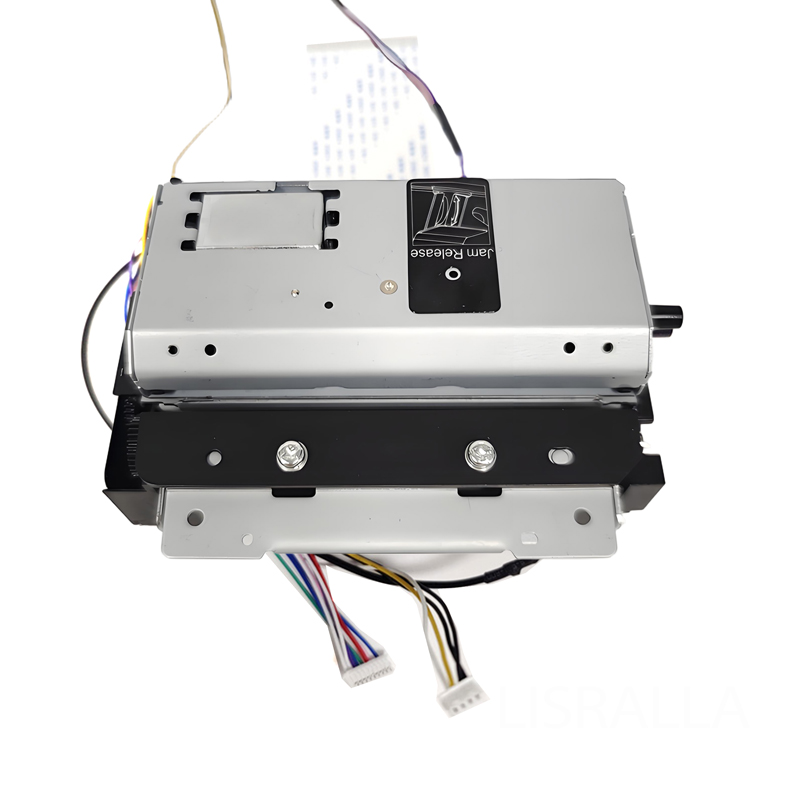
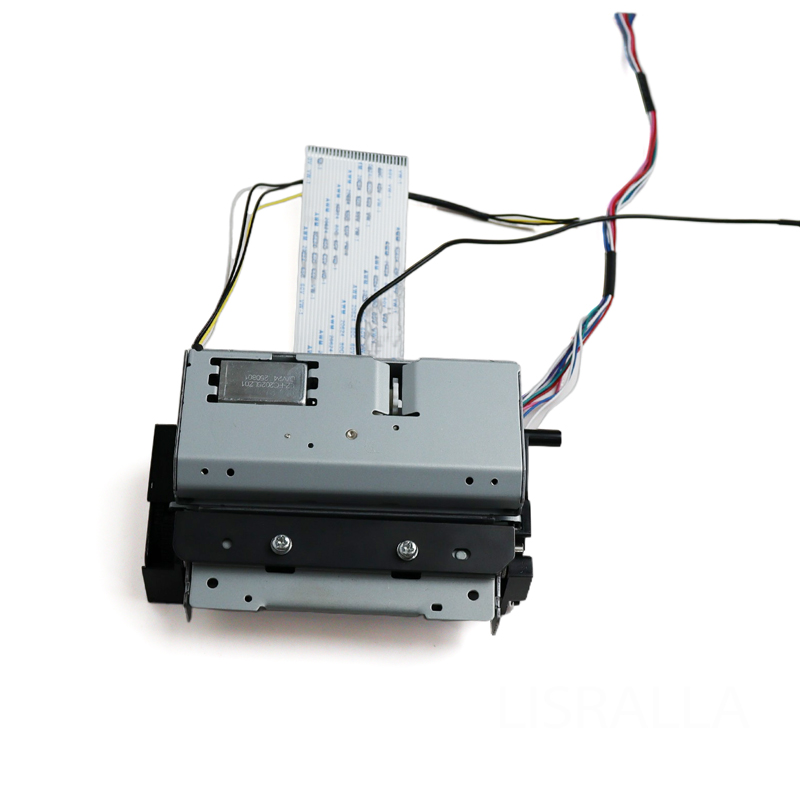
Initial Purchase Price: The base price of Thermal Printer Parts varies significantly based on features, specifications, and brand. Be sure to consider your budget and the expected return on investment (ROI) from your purchases. 

Operational Costs: Consider ongoing expenses, such as media supplies (labels, ink, etc.) and maintenance costs. Some models may require more frequent part replacements, which can increase total cost over time. 

Volume Discounts: If purchasing in bulk, inquire about volume discounts or loyalty programs offered by suppliers. This can significantly reduce your overall costs. 

Customization Fees: If you require specific customizations for your thermal printers, such as branding or unique configurations, be aware that these may incur additional costs. 

Shipping and Handling: Factor in the costs of shipping and logistics, especially if sourcing from international suppliers. Understanding lead times and shipping fees can help in budgeting. 

By considering these cost factors, you can make an informed decision that balances quality and affordability.

Understanding Material Advantages in Thermal Printer Components

Thermal printers are versatile devices used across various industries for numerous applications. Here are some common uses: 

Retail: In retail environments, SOSTAR thermal printers are primarily used for printing receipts, price tags, and product labels. Their speed and reliability make them ideal for high-volume transactions. 

Logistics and Warehousing: Thermal printers play a crucial role in logistics for printing shipping labels and barcodes. This facilitates efficient tracking and inventory management. 

Healthcare: In healthcare settings, thermal printers are used for patient wristbands, medication labels, and other essential documentation. The printers must meet strict quality and reliability standards to ensure patient safety. 

Manufacturing: In manufacturing, thermal printers are employed for labeling products, tracking inventory, and ensuring compliance with safety standards. Their durability is vital in industrial settings. 

Food and Beverage: Thermal printers are used for printing food labels, nutritional information, and expiration dates. Compliance with labeling regulations is essential in this sector. 

By understanding the diverse applications of ID Card Printer Parts, businesses can leverage their functionality to enhance operational efficiencies across various sectors. 

In summary, selecting the right thermal printer involves careful consideration of specifications, sourcing strategies, quality evaluation, cost factors, and applications. With the right knowledge and preparation, businesses can make informed purchasing decisions that align with their operational needs.