Choosing the Right Supermarket POS System

Welcome to our store!Black Friday Sale!

application/supermarket-pos-system, application/supermarket-pos-system, 
Inquiry
Inquiry

Supermarket pos system

In the retail sector, a SOSTAR supermarket POS system is essential for managing sales, inventory, and customer transactions efficiently. This system includes various components, such as barcode scales, printers, and their spare parts, which ensure seamless operation. B2B buyers, including purchasing managers and engineers, often face concerns about compatibility, durability, and cost when considering these supermarket pos system. This article aims to provide insights into the key specifications, installation guidance, sourcing options, cost factors, and applications of Thermal Printer Parts to help buyers make informed decisions.

Why choose SOSTAR Supermarket pos system

How to Choose the Right Supermarket POS System for Your Business

When evaluating components for a supermarket POS system, several key specifications should be considered to ensure optimal performance and compatibility. 

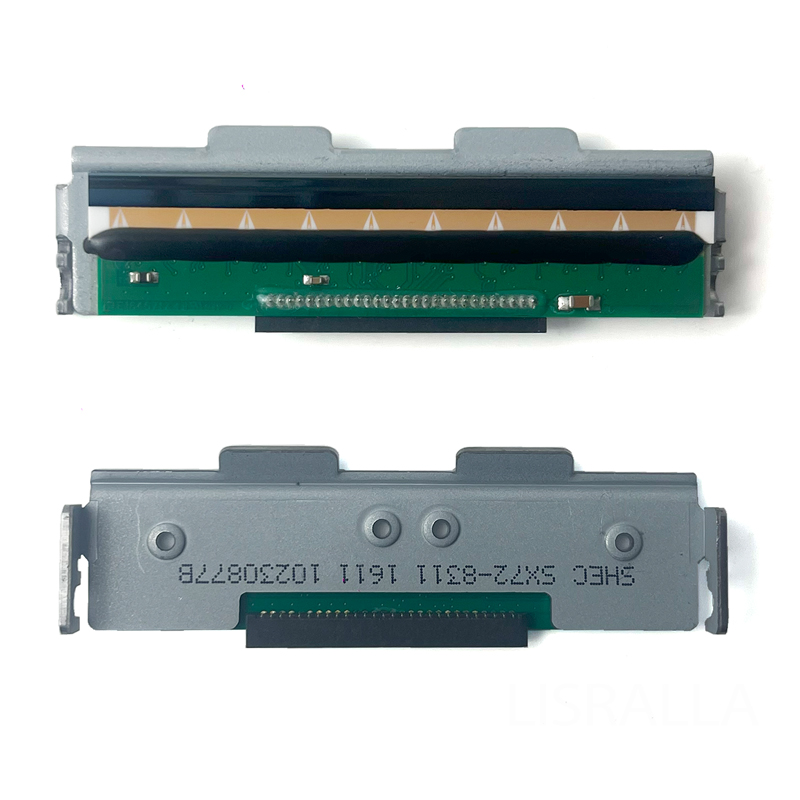
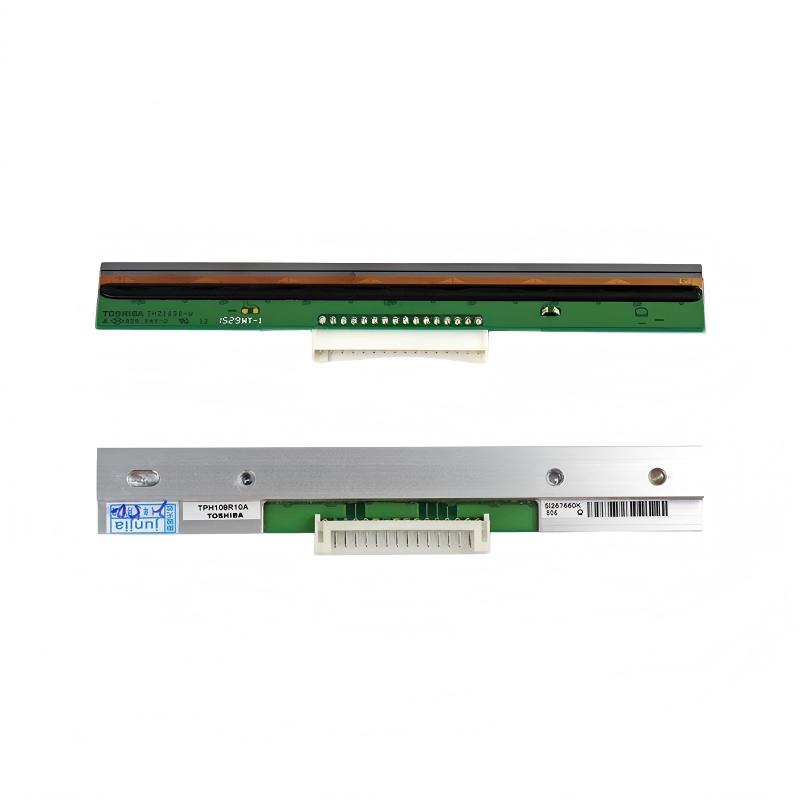
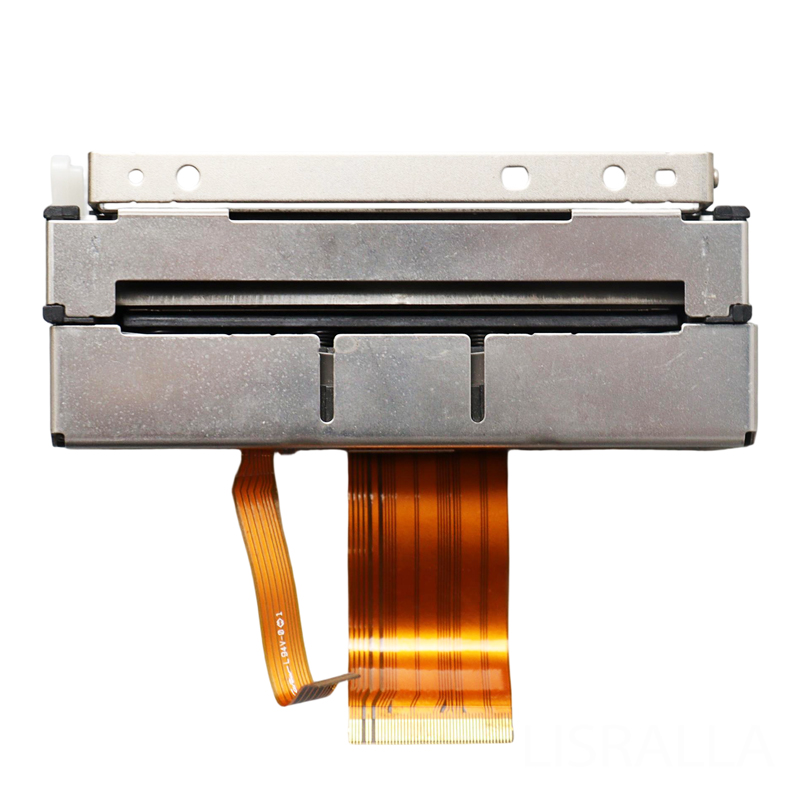
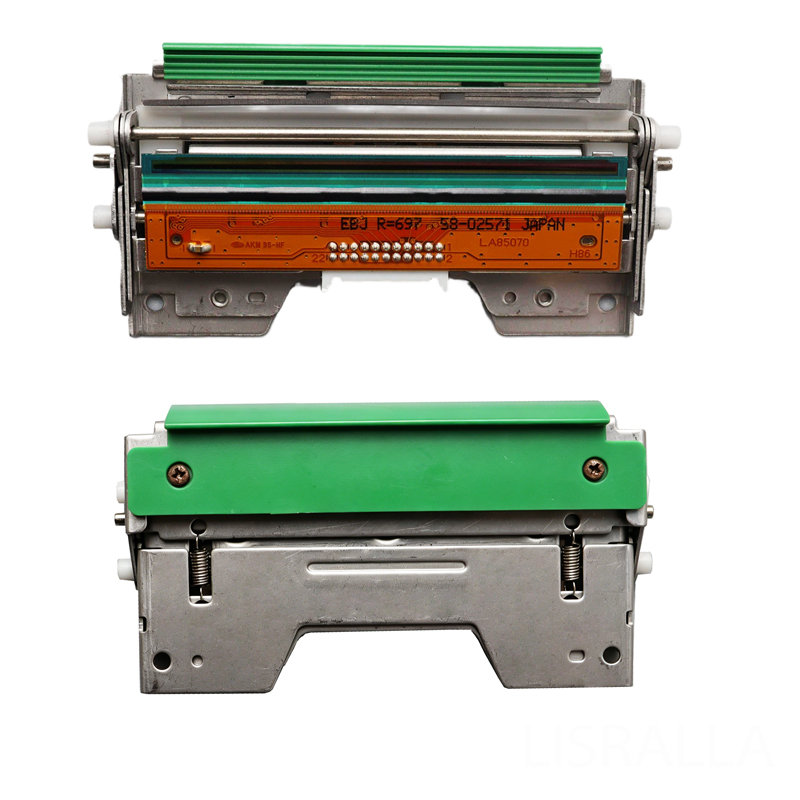
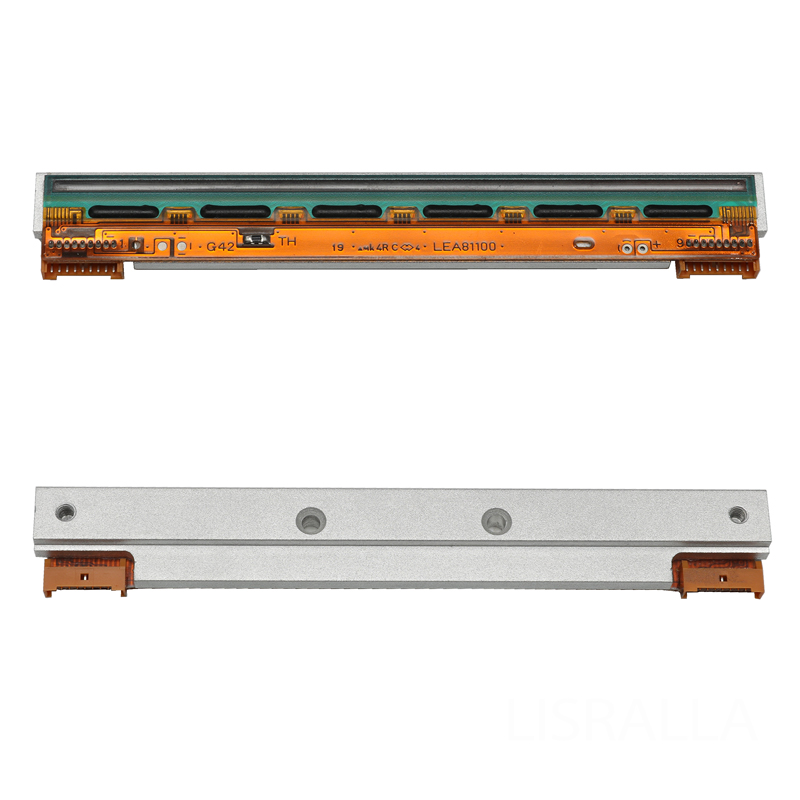
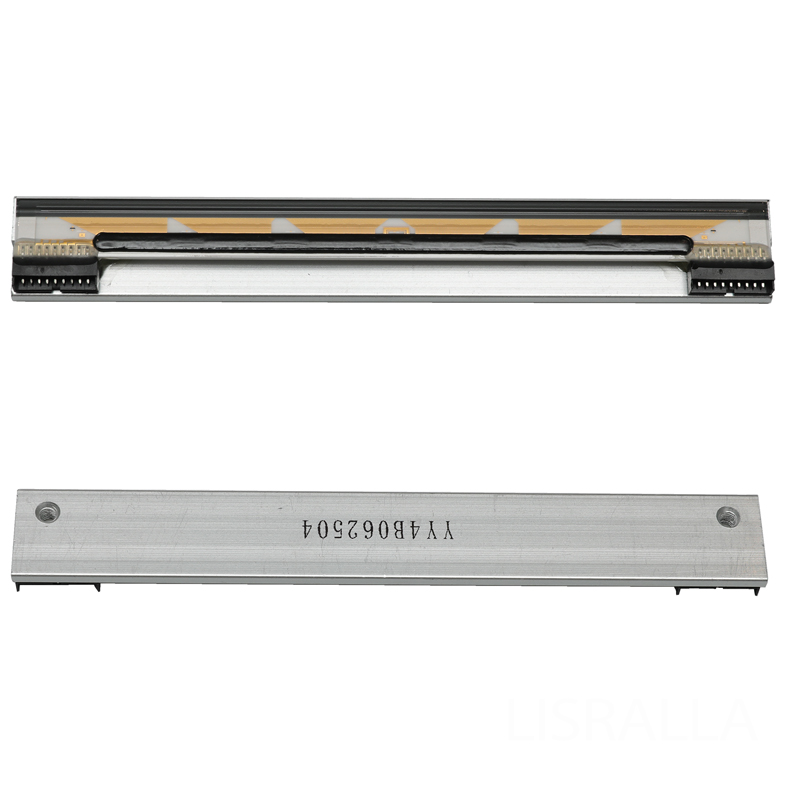
Printheads: The resolution and speed of printheads are critical. Higher resolution yields clearer receipts and labels, while faster print speeds improve transaction efficiency. For example, printheads should typically have a resolution of at least 203 dpi for standard label printing. 

Rollers and Sensors: The material and design of rollers directly impact the smooth operation of POS systems. High-quality rubber rollers provide better grip and durability. Sensors should have a quick response time and high accuracy to minimize errors during scanning. 

Keyboards: The layout and durability of keyboards are also essential. Keyboards should be designed for heavy use, with tactile feedback and ergonomic layouts to enhance user experience. Look for models that offer spill resistance and easy cleaning features. 

Compatibility: Ensure that all components are compatible with existing software and hardware supermarket pos system. This includes checking whether they support standard communication protocols like USB, Bluetooth, or Ethernet. 

Durability: Components should be built to withstand the rigors of a retail environment. Look for products with certifications for impact resistance and longevity, ensuring they can handle frequent use without failure. 

Understanding these specifications will help buyers select components that not only meet their operational needs but also enhance the overall efficiency of their Barcode Scale Parts.

Frequently Asked Questions

Our Blog Posts

What Our Partners Say

Understanding the Cost Factors of Supermarket POS Solutions

Proper installation of a SOSTAR supermarket POS system is crucial for ensuring optimal functionality and efficiency. Here are some key steps and considerations:  

Site Assessment: Before installation, conduct a thorough site assessment to determine the best locations for POS terminals, barcode scales, and printers. Consider factors such as customer flow, accessibility, and proximity to power outlets. 

Wiring and Connectivity: Ensure that all necessary wiring is in place. This includes power cables and data connections for networked supermarket pos system. For wireless systems, confirm that Wi-Fi coverage is adequate in all areas where POS components will be used. 

Component Integration: When integrating different components, follow the manufacturer's guidelines to ensure compatibility. For instance, check that the barcode scales are calibrated correctly to communicate with the POS software. 

Software Configuration: After hardware installation, configure the POS software to recognize all components. This may involve setting up parameters for print settings, inventory management, and user access levels. 

Testing: Before going live, conduct thorough testing of each component to ensure they work together seamlessly. This includes running transactions, scanning items, and printing receipts to identify any issues that need to be resolved. 

By following these steps, retailers can ensure their supermarket POS systems are installed correctly, minimizing downtime and operational disruptions.

Installation Guidance for Your Supermarket POS System Components

Sourcing reliable components for supermarket POS systems is essential for maintaining operational efficiency. Here are some avenues to explore: 

Established Manufacturers: Partnering with reputable manufacturers, like Guangzhou SOSTAR Smart Technology Co., Ltd., known for high-quality barcode scales and printer spare parts, can ensure you receive durable and compatible components. Their in-house R&D and strict quality control processes enhance product reliability. 

Distributors: Consider working with authorized distributors who have a good track record in the industry. They often provide technical support and can facilitate faster delivery times. 

Online Marketplaces: While online platforms can offer competitive pricing, it’s crucial to verify the credibility of sellers. Check reviews and ratings from previous customers to ensure quality and service. 

Industry Trade Shows: Attending trade shows can provide direct access to manufacturers and distributors. This allows for hands-on demonstrations of products and the opportunity to discuss specific needs with suppliers. 

By exploring these sourcing options, buyers can find reliable components that meet their quality and compatibility standards. 

Common Problems with POS Systems and Effective Solutions

Understanding the cost factors involved in purchasing supermarket POS system components is vital for budget management. Here are the main considerations: 

Component Quality: Higher quality components typically come with a higher price tag. However, investing in durable parts can lead to lower replacement and maintenance costs over time. Always weigh the initial cost against potential long-term savings. 

Customization: Custom components may incur additional costs but can provide tailored solutions that enhance operational efficiency. Discuss customization options with suppliers to understand the impact on pricing. 

Minimum Order Quantity (MOQ): Many manufacturers have MOQs that can affect the overall cost. Evaluate your needs carefully to avoid overstocking or increased costs from ordering smaller quantities. 

Shipping and Handling: Factor in shipping costs, which can vary significantly based on the supplier's location and shipping method. Consider local suppliers to reduce shipping expenses. 

Warranty and Support: Review warranty terms and post-purchase support options. Components with longer warranties may justify higher upfront costs, as they can provide peace of mind and reduce future expenses related to repairs or replacements. 

By carefully evaluating these cost factors, buyers can make informed decisions that align with their budget while ensuring quality and performance.

Exploring the Applications of Supermarket POS Systems in Retail

Supermarket POS systems play a crucial role in modern retail operations, enhancing efficiency and customer experience. Here are some applications: 

Transaction Management: POS systems streamline the checkout process, allowing for quick and efficient transactions. This minimizes wait times and enhances customer satisfaction. 

Inventory Control: By integrating inventory management with supermarket pos system, retailers can track stock levels in real-time. This helps prevent overstocking or stockouts, ensuring that popular items are always available. 

Sales Analytics: Many supermarket pos system come equipped with analytics tools that provide insights into sales trends and customer preferences. Retailers can use this data to adjust inventory, optimize pricing strategies, and improve marketing efforts. 

Customer Relationship Management (CRM): POS systems can also facilitate loyalty programs and customer data collection, enabling retailers to personalize marketing efforts and enhance customer loyalty. 

Multi-Channel Integration: Modern POS systems can integrate with e-commerce platforms, allowing retailers to manage both online and in-store sales from a single system. This omnichannel approach ensures a seamless shopping experience for customers. 

By leveraging these applications, retailers can enhance their operational efficiency, improve customer satisfaction, and drive sales growth. 

understanding the specifications, installation, sourcing, cost factors, and applications of ID Card Printer Parts can empower buyers to make strategic decisions that optimize their retail operations.