Key Specifications for Print Thermal Products

Welcome to our store!Black Friday Sale!

application/print-thermal, application/print-thermal, 
Inquiry
Inquiry

Print thermal

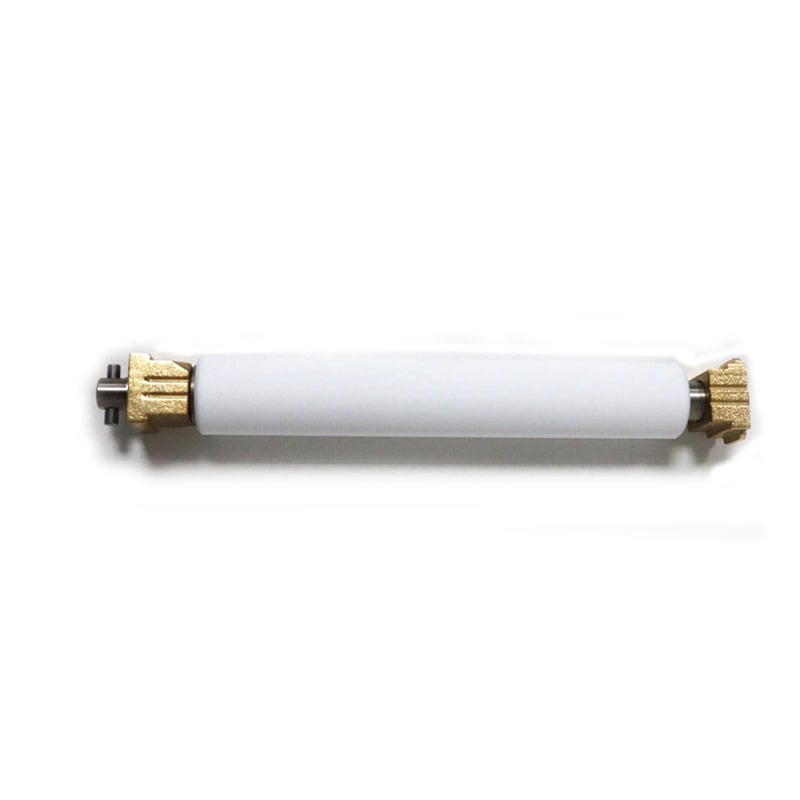
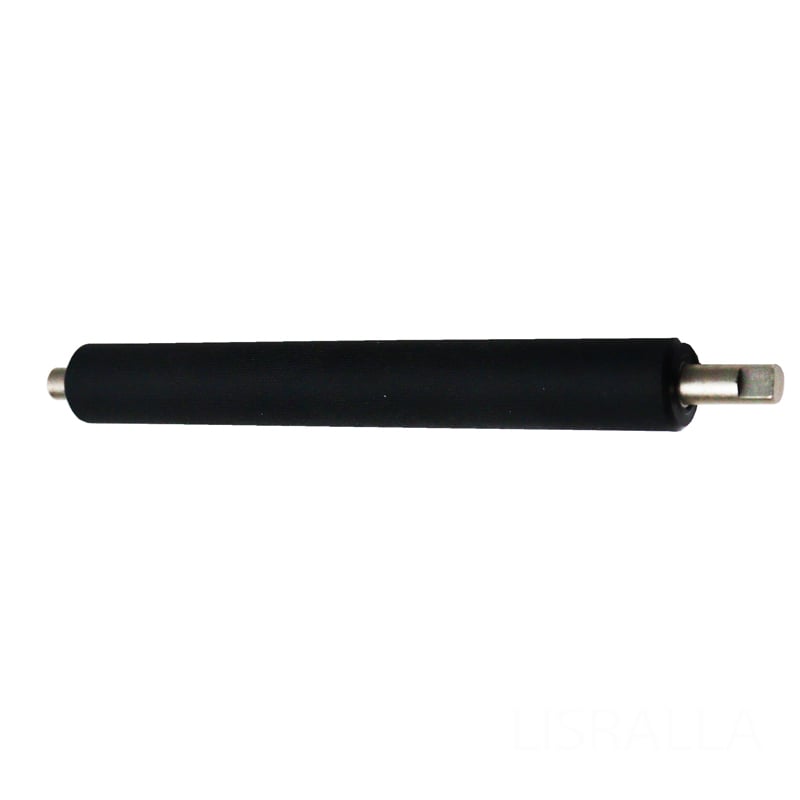
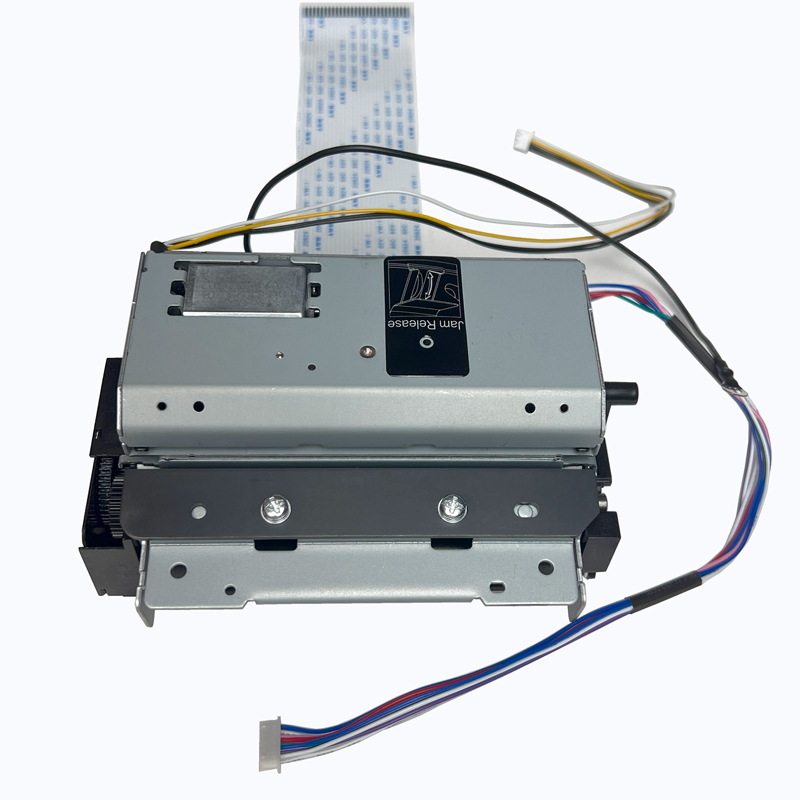
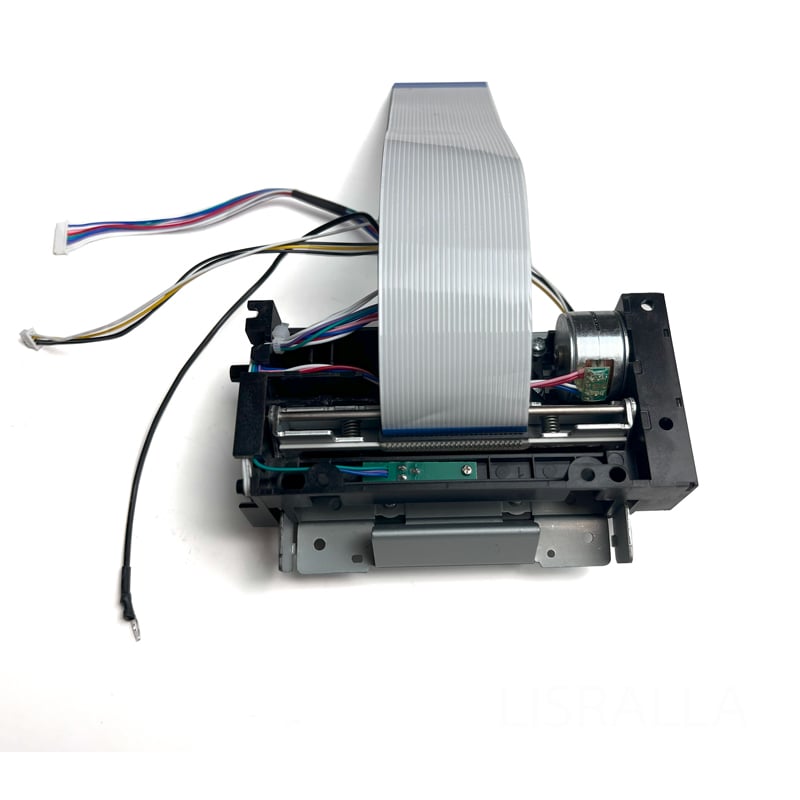
Print thermal products play a crucial role in various industries, providing essential solutions for labeling, pricing, and tracking goods through barcode printing. Buyers often face several concerns when selecting these components, including compatibility, durability, and cost-effectiveness. This article will guide you through key specifications, cost factors, quality control measures, best practices, and common issues associated with Thermal Printer Parts, helping you make informed purchasing decisions.

Why choose SOSTAR Print thermal

Key Specifications to Evaluate When Selecting Print Thermal Products

When evaluating SOSTAR print thermal products, several key specifications must be considered to ensure compatibility and performance meet your operational needs: 

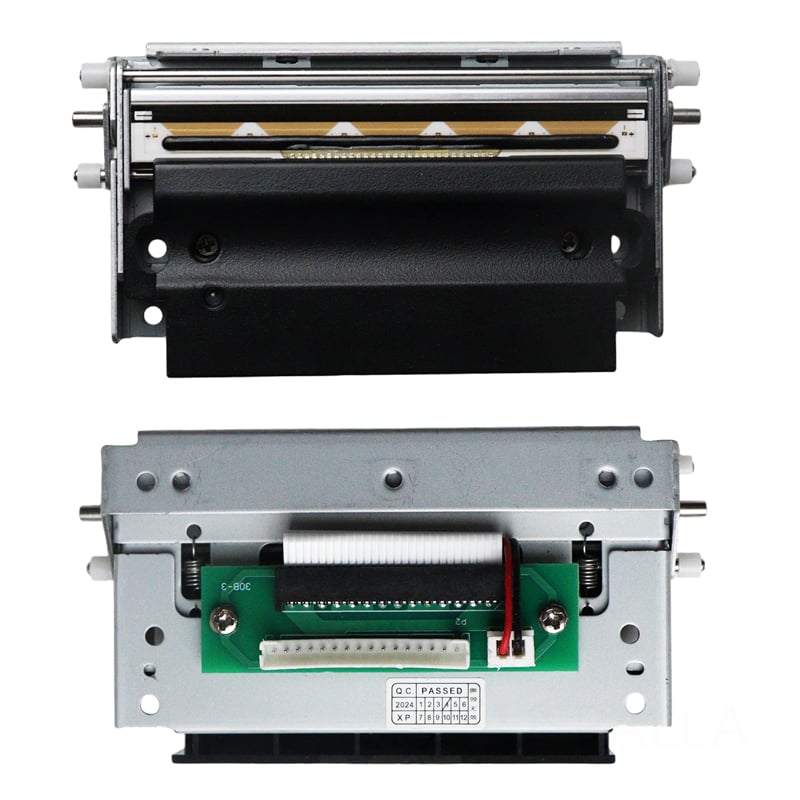
Printhead Type: The type of printhead—thermal transfer or direct thermal—affects the quality and longevity of the printed output. Thermal transfer printheads use ribbons to produce images, leading to more durable prints, suitable for high-quality labels. In contrast, direct thermal printheads are ideal for short-term applications. 

Resolution: Measured in dots per inch (DPI), resolution impacts the clarity of the printed barcode. A higher DPI (like 300 DPI) provides more detailed images, which is critical for smaller barcodes or intricate designs. 

Media Compatibility: The materials that the printer can handle are essential for applications. Common media types include paper, synthetic materials, and various sizes. Ensure that the printer can accommodate your specific media requirements. 

Print Speed: Speed, typically measured in inches per second (IPS), affects productivity. A higher print speed is beneficial in high-volume settings, but it should not compromise print quality. 

Durability: Products should withstand environmental conditions, including exposure to moisture, heat, and chemicals. Consider the intended application when evaluating the durability of the components. 

By understanding these specifications, you can select the right Barcode Scale Parts that align with your operational requirements and application demands.

Frequently Asked Questions

Our Blog Posts

What Our Partners Say

Understanding the Cost Factors of Print Thermal Components for Bulk Orders

When purchasing SOSTAR print thermal components in bulk, several cost factors can impact your overall expenditure: 

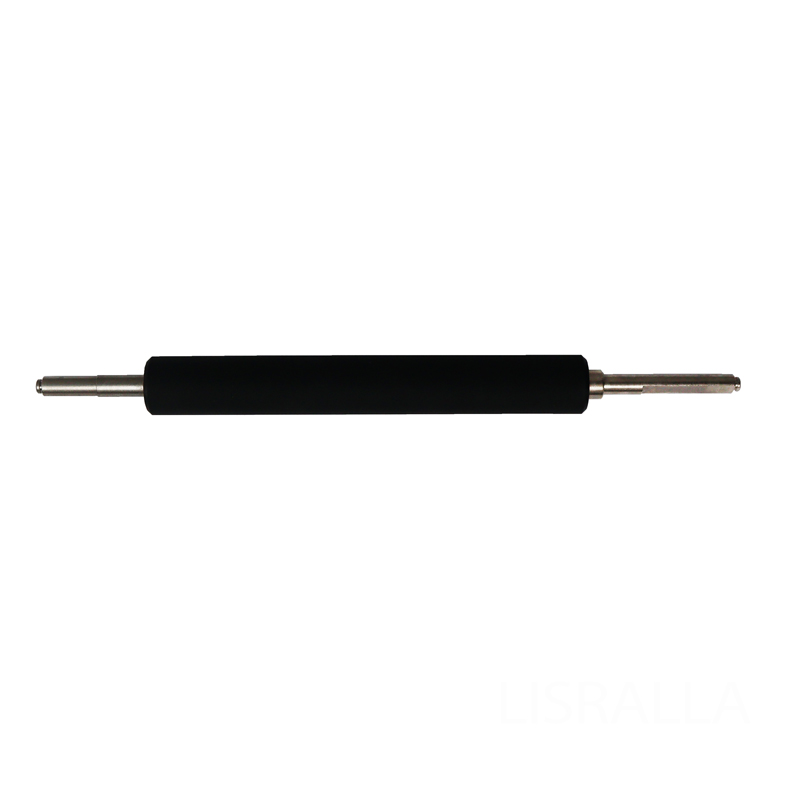
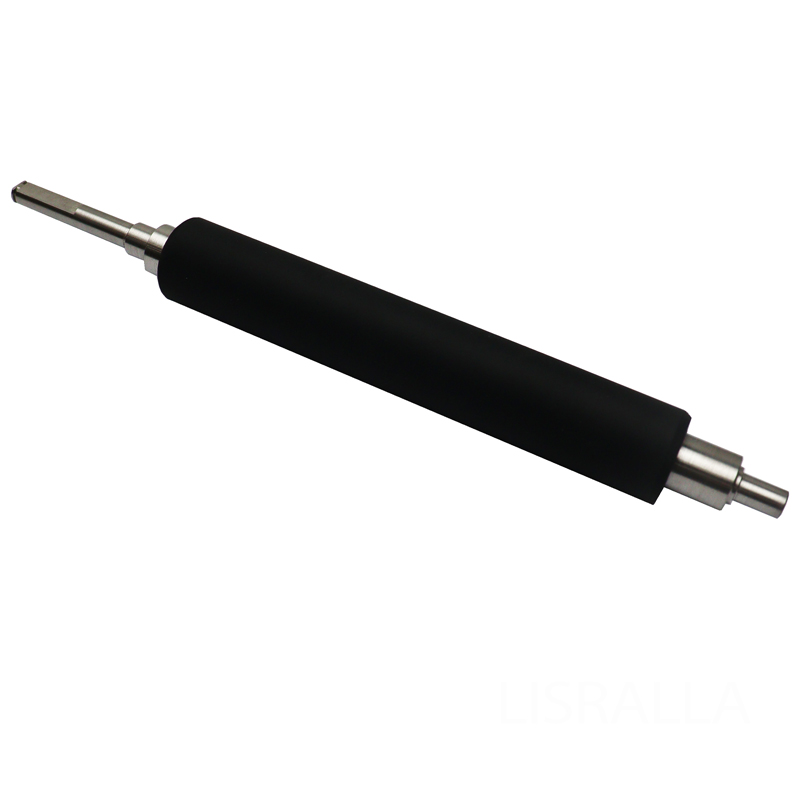
Material Costs: The type of materials used in printheads, rollers, and other components directly influences pricing. High-quality materials may come at a premium but can enhance performance and durability. 

Volume Discounts: Bulk orders often qualify for discounts, but the structure varies among suppliers. Understanding the minimum order quantities (MOQs) and the pricing tiers can help you negotiate better deals. 

Customization: If your application requires tailored specifications, customization can increase costs. Engage with suppliers early to understand the costs associated with specific requirements. 

Shipping and Handling: Consider logistics costs, including shipping fees, taxes, and potential tariffs, especially for international orders. These can significantly affect the total cost if not factored in during the budgeting phase. 

Lead Time: Longer lead times may necessitate higher inventory levels, affecting cash flow. Suppliers with efficient production processes often provide quicker turnaround times, which can ultimately lower costs. 

Understanding these cost factors will enable you to budget effectively and negotiate better terms with suppliers.

How to Ensure Quality Control in Your Print Thermal Component Selection

Quality control is paramount when selecting print thermal components. Here are essential steps to ensure you choose reliable products: 

Supplier Reputation: Research the supplier's reputation in the industry. Look for reviews, case studies, or testimonials that demonstrate their reliability and quality assurance practices. 

Certifications: Confirm whether the manufacturer follows recognized quality standards, such as ISO certifications. These certifications indicate adherence to quality management principles. 

Sample Approval: Always request samples before mass production. This allows you to evaluate the components' compatibility, performance, and overall quality in real-world conditions. 

Quality Testing: Inquire about the quality inspection processes the manufacturer employs. Rigorous testing protocols, including stress tests and performance evaluations, should be standard. 

Feedback Mechanism: Establish a feedback loop with your supplier. Regular communication regarding product performance can help address any quality concerns quickly. 

By taking these steps, you can mitigate risks associated with poor-quality components and ensure that your ID Card Printer Parts meet your operational needs.

Best Practices and Tips

To maximize the effectiveness of your print thermal products, consider these best practices: 

Regular Maintenance: Establish a routine maintenance schedule for your printers and associated components. Regular cleaning and part replacement can prevent downtime and extend product life. 

Proper Storage: Store spare parts in a controlled environment to prevent damage. Humidity and temperature fluctuations can degrade materials, particularly in printheads and rollers. 

Training: Ensure that your team is adequately trained in operating and maintaining print thermal equipment. Proper usage can prevent operational errors that lead to product waste. 

Specifications Documentation: Maintain thorough documentation of specifications and standards for every component. This documentation can assist in future purchasing decisions and supplier communications. 

Stay Updated: The print thermal technology landscape is constantly evolving. Stay informed about new technologies, materials, and practices to enhance your operational efficiency. 

Implementing these best practices can lead to improved performance, reduced costs, and enhanced operational efficiency.

Common Problems with Print Thermal Products and Effective Solutions

While SOSTAR print thermal products are generally reliable, issues can arise. Here are common problems and their solutions: 

Poor Print Quality: If prints are fading or unclear, check the printhead for wear and tear, as well as the compatibility of the media used. Replacing the printhead or adjusting the print settings can often resolve the issue. 

Paper Jams: Paper jams can occur due to incorrect media loading or using incompatible materials. Ensure that the media is loaded correctly and is of the type recommended by the manufacturer. 

Inconsistent Print Speed: This could indicate a problem with the printer’s settings or the need for maintenance. Regularly clean the printer and check for any software updates that may enhance performance. 

Durability Issues: If printed labels are smudging or peeling, it may be a sign of inadequate material selection for the application. Ensure that the media chosen is suitable for the environmental conditions it will face. 

Sensor Errors: Sensor malfunctions can lead to various operational issues. Regular inspections and calibrations can help maintain sensor accuracy and functionality. 

By proactively addressing these issues, you can maintain the efficiency and effectiveness of your print thermal products, ensuring a smooth operational flow. 

This detailed guide aims to provide the necessary insights for a comprehensive understanding of print thermal products, aiding in effective decision-making for buyers in various industries.