Essential Guidelines for Thermal Printer Components

Focus on spare parts for label scale and thermal printer

application/printer-thermal, application/printer-thermal, 
Inquiry
Inquiry

Printer thermal

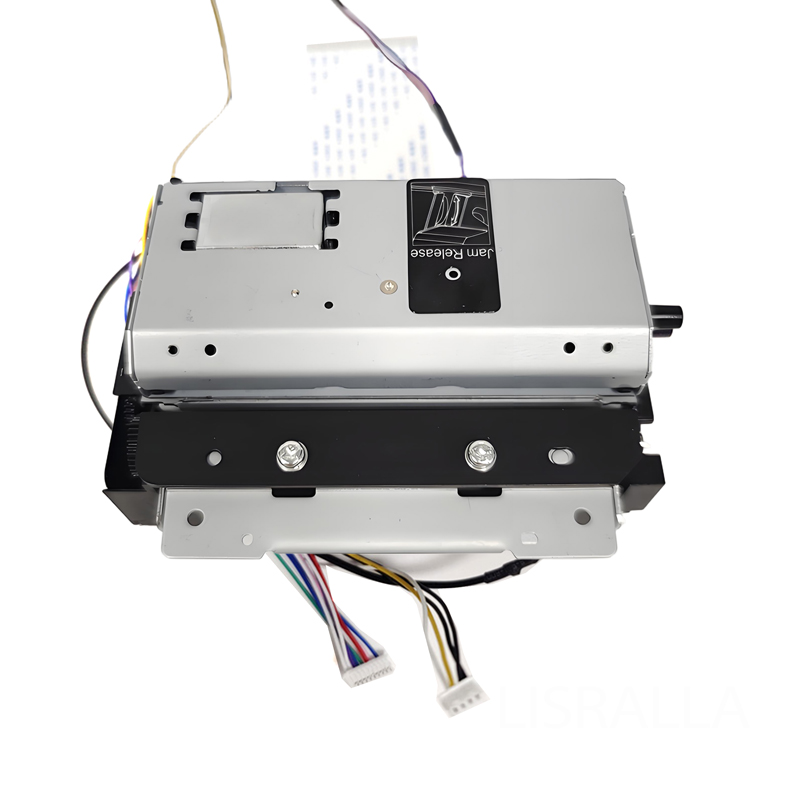
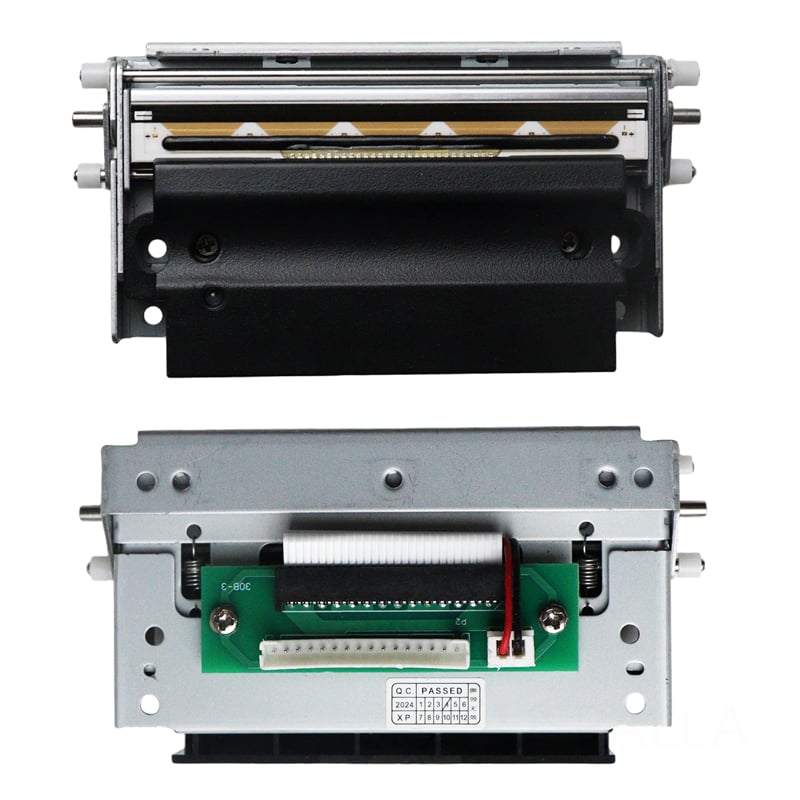
Thermal printers are essential in today’s manufacturing and logistics industries, providing reliable solutions for printing labels, barcodes, and receipts. As B2B buyers, purchasing managers and engineers seek high-quality thermal printer components, understanding key specifications and supplier qualifications is critical. This article will guide you through essential factors in selecting Thermal Printer Parts components, ensuring you make informed purchasing decisions.

Why choose SOSTAR Printer thermal

Key Specifications for Buyers

When evaluating thermal printer components, several specifications are crucial. Buyers should consider the following: 

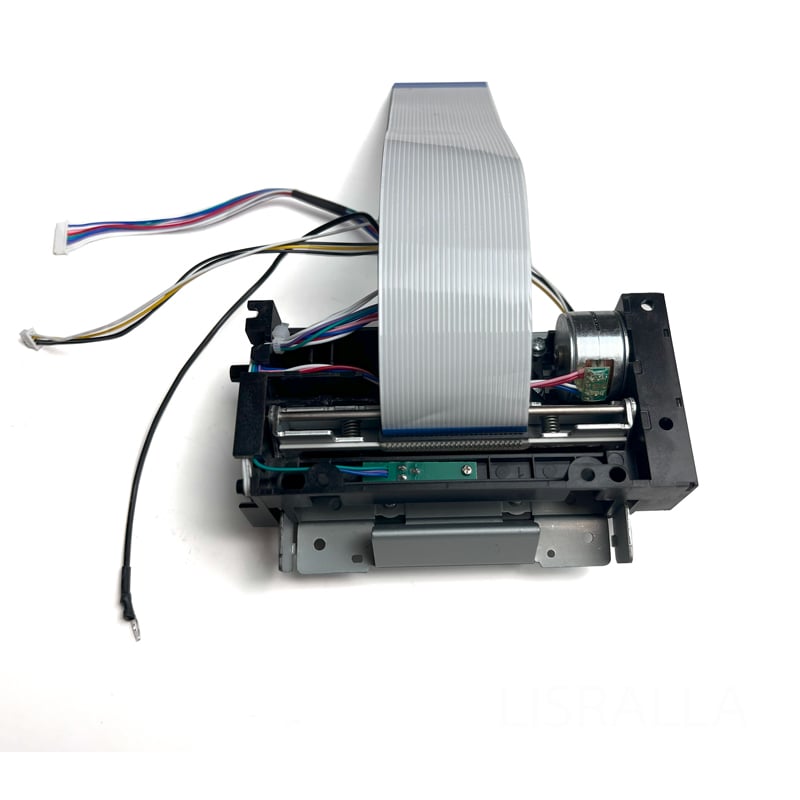
Printhead Resolution: The resolution, measured in dots per inch (DPI), directly affects print quality control measures. A higher DPI results in clearer images and barcodes, which is vital for applications requiring precision. 

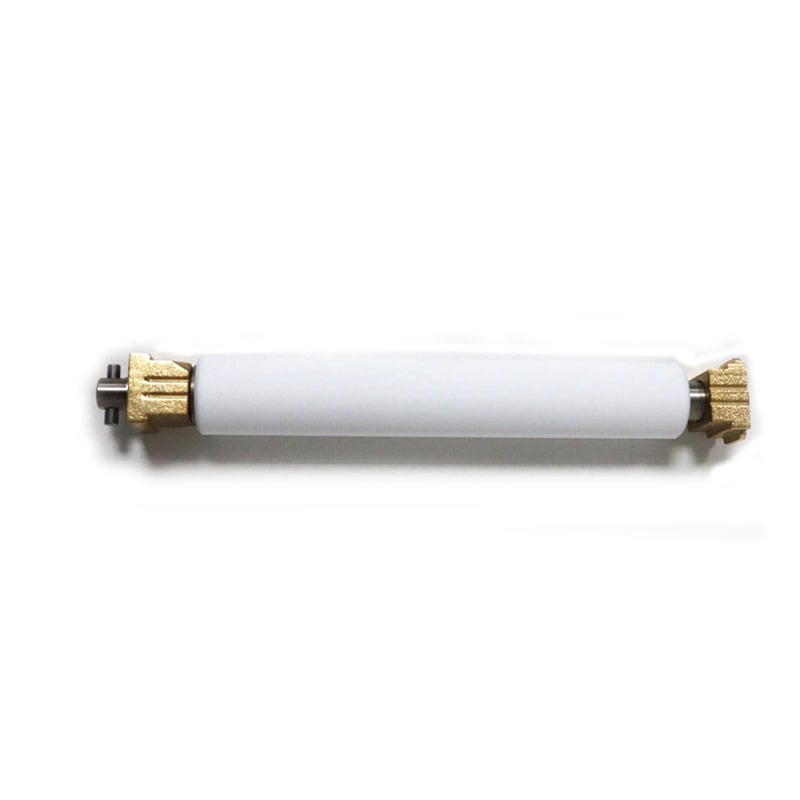
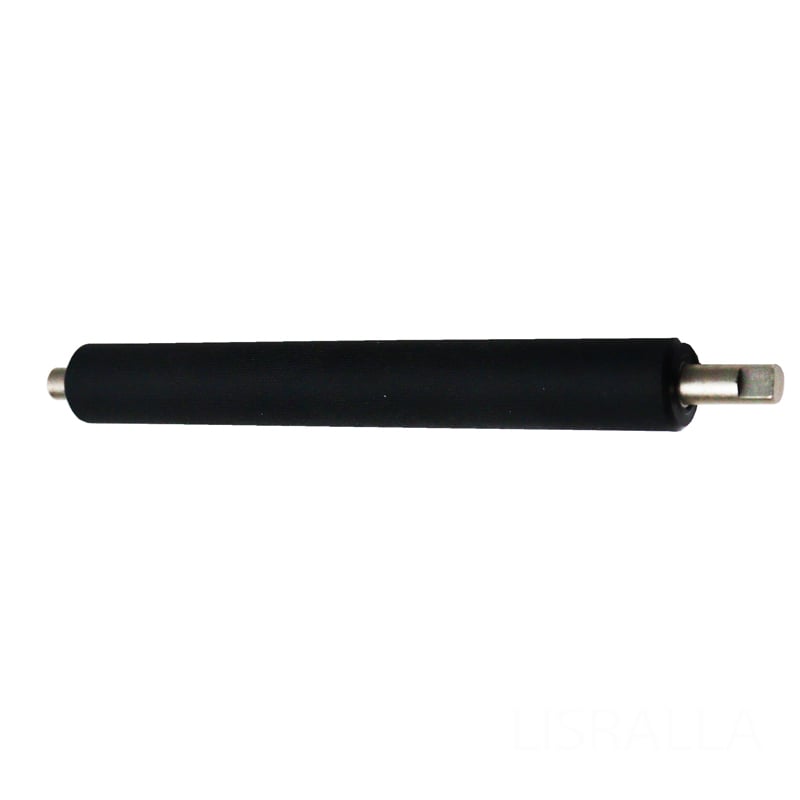
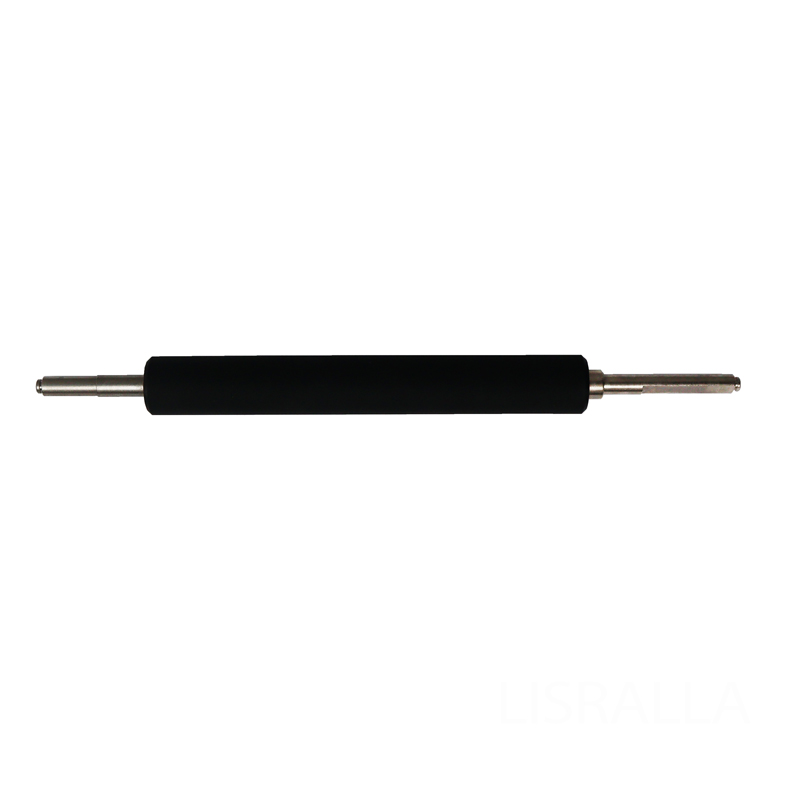
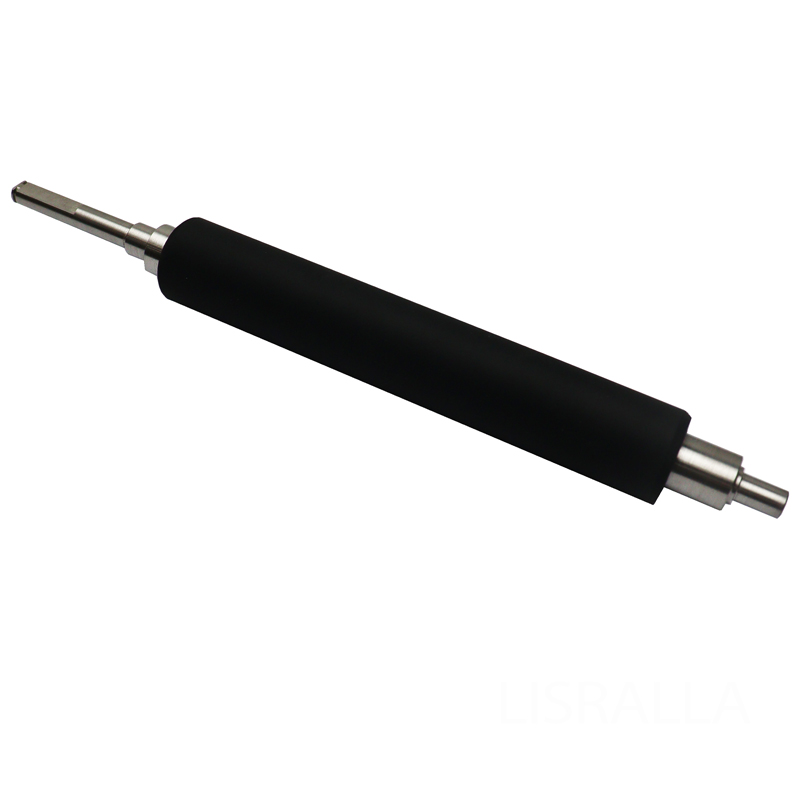
Durability and Material: The materials used in the components, such as the printhead and rollers, must withstand wear and tear. Components made from quality control measures materials ensure longer service life, reducing the need for frequent replacements. 

Compatibility: Ensure that the components are compatible with your existing thermal printer components model. Mismatched parts can lead to performance issues, increased downtime, and additional costs. 

Temperature and Humidity Tolerance: Components should be able to operate effectively in various environmental conditions. Understanding the operating range ensures that the thermal printer performs consistently in your specific use case. 

Speed and Efficiency: Evaluate the printing speed of the Barcode Scale Parts components, as this affects your overall productivity. Faster printing capabilities can enhance efficiency in high-demand environments. 

Quality Control (QC) Measures: Investigate the QC processes employed by the supplier to ensure that components meet industry standards and specifications. A robust QC process minimizes defects and guarantees reliable performance.

Frequently Asked Questions

Our Blog Posts

What Our Partners Say

Choosing Reliable Suppliers for Thermal Printer Components

Selecting a dependable supplier is as critical as choosing the right SOSTAR thermal printer components. Here are key factors to consider: 

Experience and Reputation: Look for suppliers with a proven track record in thermal printer component manufacturing. A reputable supplier is more likely to deliver quality control measures products consistently. 

Certifications: Verify any relevant certifications that demonstrate the supplier's commitment to quality and industry standards. This can include ISO certifications or compliance with international safety regulations. 

Customization Capabilities: If your application requires unique specifications or custom components, ensure the supplier has the capability to accommodate these needs. Custom solutions can enhance performance and integration. 

Production Capacity: Assess the supplier's production capacity to meet your volume requirements. Confirming their ability to fulfill large orders on time is crucial for maintaining your supply chain. 

Customer Support: Reliable after-sales service and technical support are essential. A supplier that offers strong customer support can help resolve issues quickly and efficiently. 

Sample Approval Process: Before committing to a large order, request samples to assess compatibility and performance. A thorough evaluation of samples can prevent costly mistakes. 

A Step-by-Step Approach

To effectively procure thermal printer components, follow this structured approach: 

Define Requirements: Clearly outline your specific needs, including component specifications, quantities, and delivery timelines. 

Research Suppliers: Compile a list of potential suppliers based on their expertise, experience, and product offerings. 

Request Quotes: Reach out to selected suppliers with detailed RFQs (Request for Quotation). Include all necessary specifications and any customization requirements. 

Evaluate Proposals: Compare received proposals not only on price but also on quality control measures, lead times, and other relevant factors. 

Conduct Due Diligence: Research the shortlisted suppliers for customer reviews, testimonials, and their overall reputation in the industry.  

Request Samples: Order samples from the top suppliers to evaluate quality and compatibility before placing a bulk order. 

Finalize Order: After thorough evaluation and approval of samples, finalize your order, ensuring all agreed terms are documented.

Features and Benefits for Distributors

Distributors play a crucial role in the SOSTAR supply chain for thermal printer components. Here are key features and benefits they should consider: 

Diverse Product Range: Offering a wide range of ID Card Printer Parts components, including printheads, rollers, and sensors, can attract more customers and meet varied market needs. 

Bulk Pricing Options: Distributors can capitalize on bulk purchasing to provide competitive pricing for buyers, enhancing their market position. 

Fast Turnaround Times: Quick processing and delivery can be a significant selling point. Ensure that suppliers can meet tight deadlines to fulfill distributor commitments. 

Technical Support and Training: Providing technical support and training to end-users can differentiate distributors in the market, enhancing customer satisfaction and loyalty. 

Marketing Materials: Access to high-quality marketing materials from suppliers can help distributors effectively promote thermal printer components to their customers. 

Best Practices for Thermal Printer Procurement

To streamline the procurement process for SOSTAR thermal printer components, consider the following best practices: 

Establish Clear Specifications: Document all technical specifications and application requirements. This clarity aids in minimizing misunderstandings with suppliers. 

Regular Supplier Reviews: Periodically assess supplier performance based on delivery reliability, product quality, and customer service. Regular reviews can help maintain high standards. 

Inventory Management: Implement an effective inventory management system to track stock levels, ensuring you have the necessary components on hand without overstocking. 

Feedback Loop: Create a feedback mechanism for end-users to report performance issues or suggestions. This information can guide future procurement decisions and supplier evaluations. 

Continuous Education: Stay informed about advancements in thermal printing technology and components. Knowledge of industry trends can help buyers make informed decisions and maintain a competitive edge. 

By focusing on these elements, B2B buyers can ensure they procure high-quality thermal printer components that meet their operational needs, thereby enhancing overall efficiency and productivity in their respective industries.