Choosing the Right Barcode Scale: XP 365B

Welcome to our store!Black Friday Sale!

application/xp-365b, application/xp-365b, 
Inquiry
Inquiry

xp 365b

Barcode  scales are essential  tools for businesses  that require  precise  weight measurements combined with efficient data management.  The XP 365B model,  manufactured  by Guangzhou SOSTAR Smart  Technology Co., Ltd.,  exemplifies  a high-performance barcode scale designed  for accuracy and reliability. B2B  buyers, including purchasing managers and product managers,  often seek durability, compatibility, and ease of use when selecting barcode scales and their parts. This article will help you understand how to choose the right barcode  scale for your business needs, what to look for in barcode scale parts, installation  guidance,  common  problems,  and  various applications across industries.

Why choose SOSTAR xp 365b

How to Choose the Right Barcode Scale for Your Business Needs

Selecting the right barcode scale involves assessing several key factors that align with  your operational requirements.  First, consider the scale's capacity and accuracy. The XP 365B typically offers a  range of capacities, so you  should evaluate the maximum weight you will be  measuring. Accuracy is critical  —  a scale  with a high precision level ensures minimal discrepancies in weight, which is crucial for inventory management and shipping.

Next,  think about compatibility with  your existing systems. The  XP  365B is designed to integrate  seamlessly with various barcode printers  and inventory management software, including options for For EPSON and For ZEBRA. Ensure that the scale's connectivity options, such as USB or Bluetooth, align with your current technology.

Lastly, consider the scale's durability and  build quality. In a manufacturing or retail environment,  equipment is subject  to wear and tear. A robust construction with high-quality materials protects against damage, ensuring longevity and reliability. Look for models that offer warranties or  have undergone rigorous quality control  testing, which is  a hallmark of the manufacturing processes at Guangzhou SOSTAR.

Frequently Asked Questions

Our Blog Posts

What Our Partners Say

What to Look for in Barcode Scale Parts

What to Look for in Barcode Scale Parts

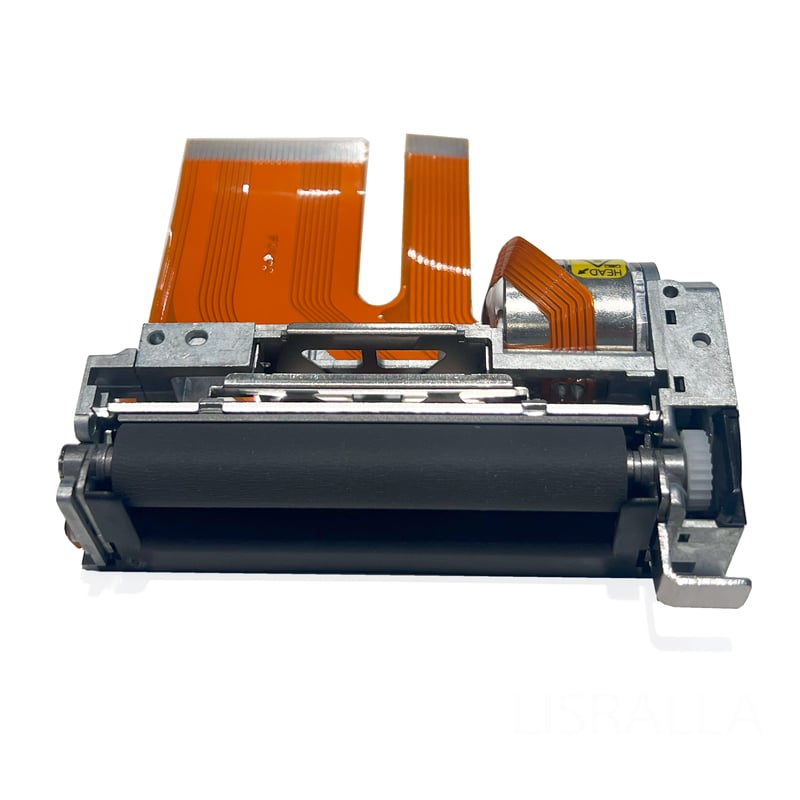
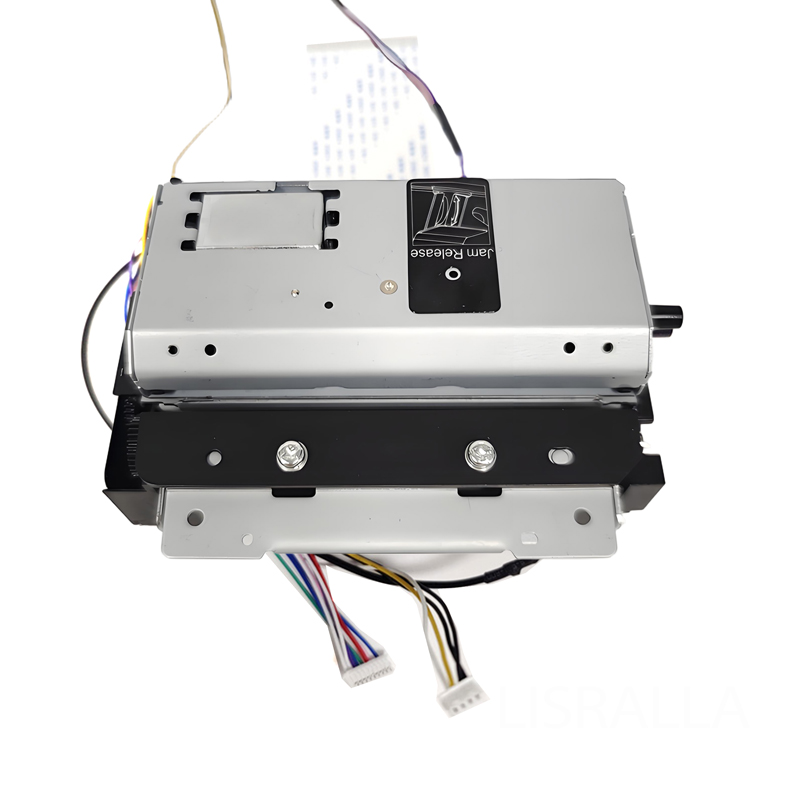
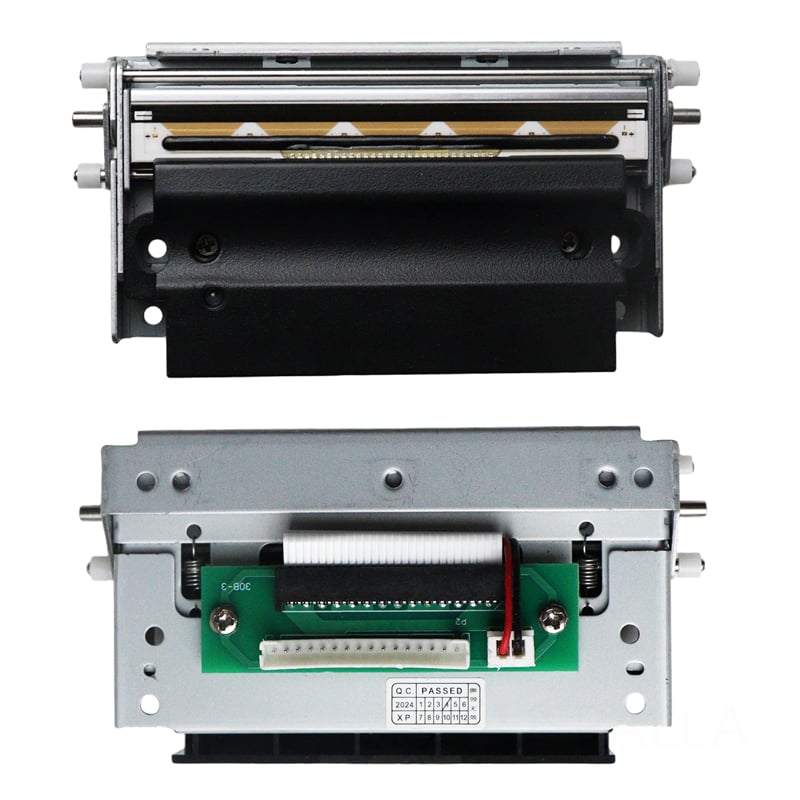
When sourcing parts for  barcode scales like the XP 365B, focus on components that enhance performance and reliability. Key parts include  printheads, rollers, sensors,  and keyboards. Each of these components plays a  vital role:

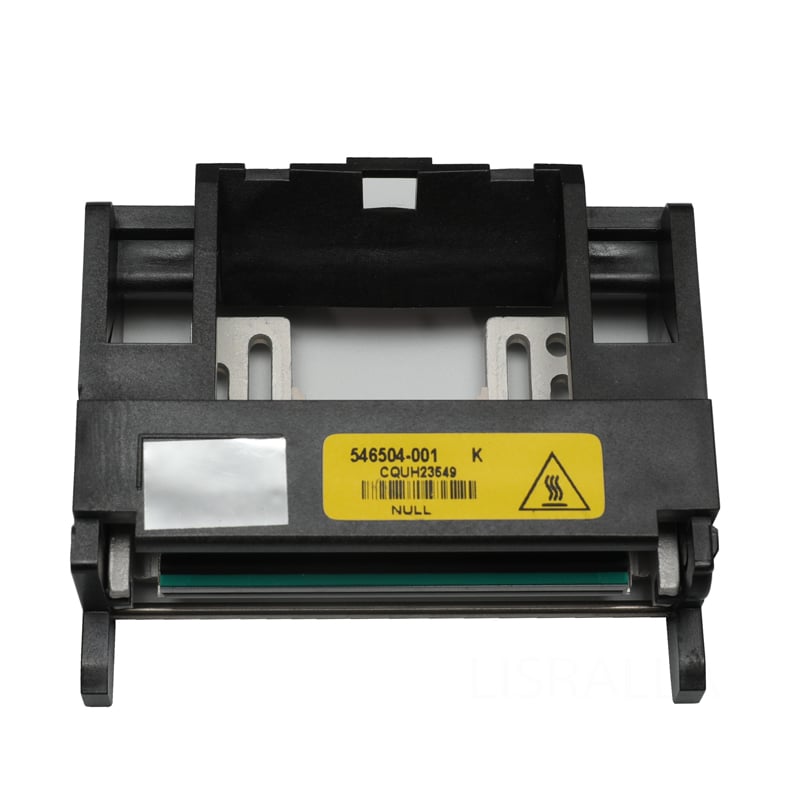
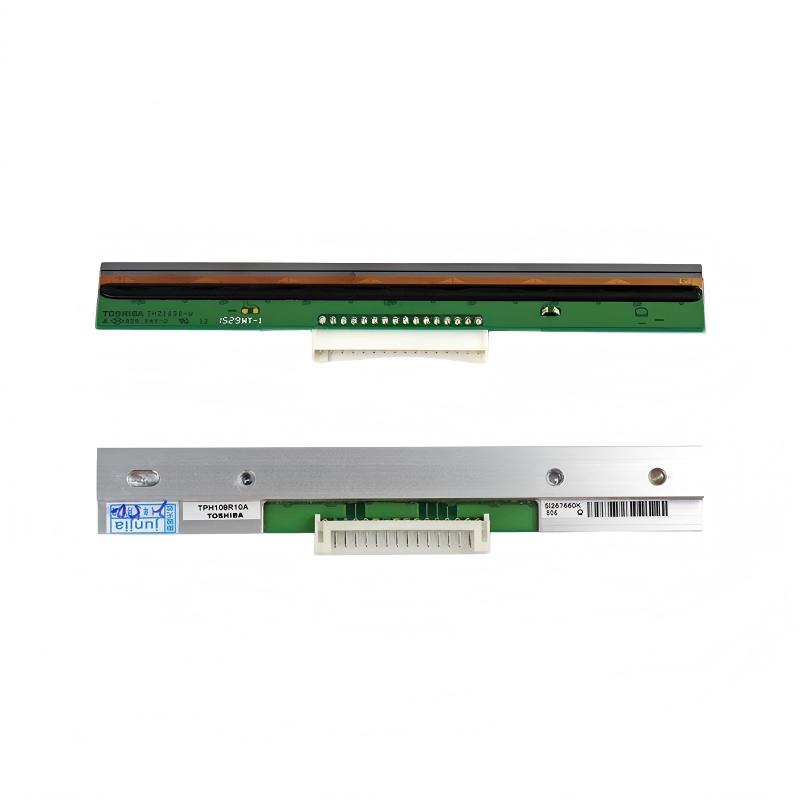
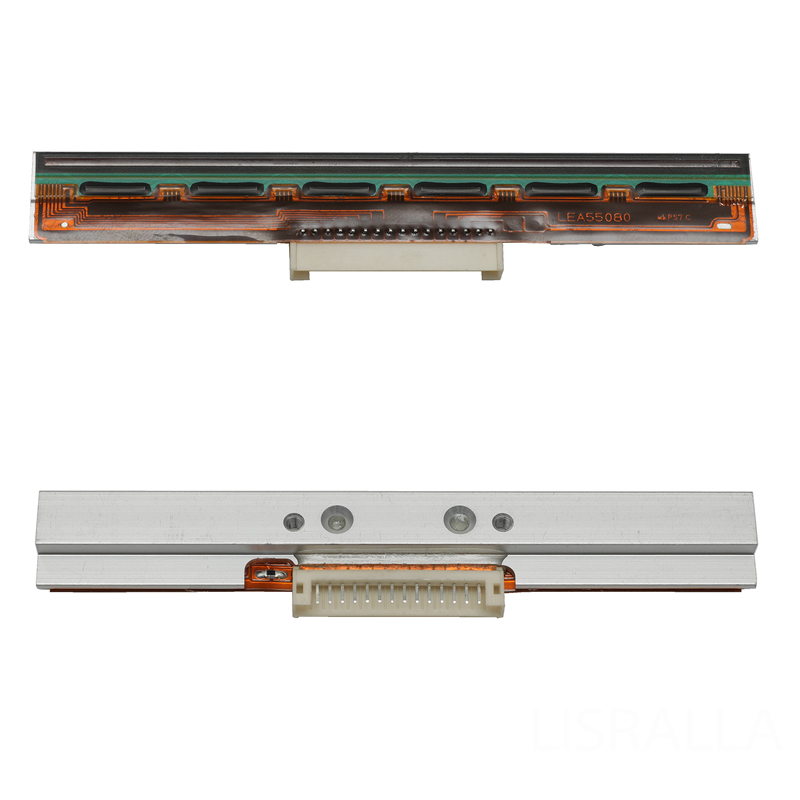
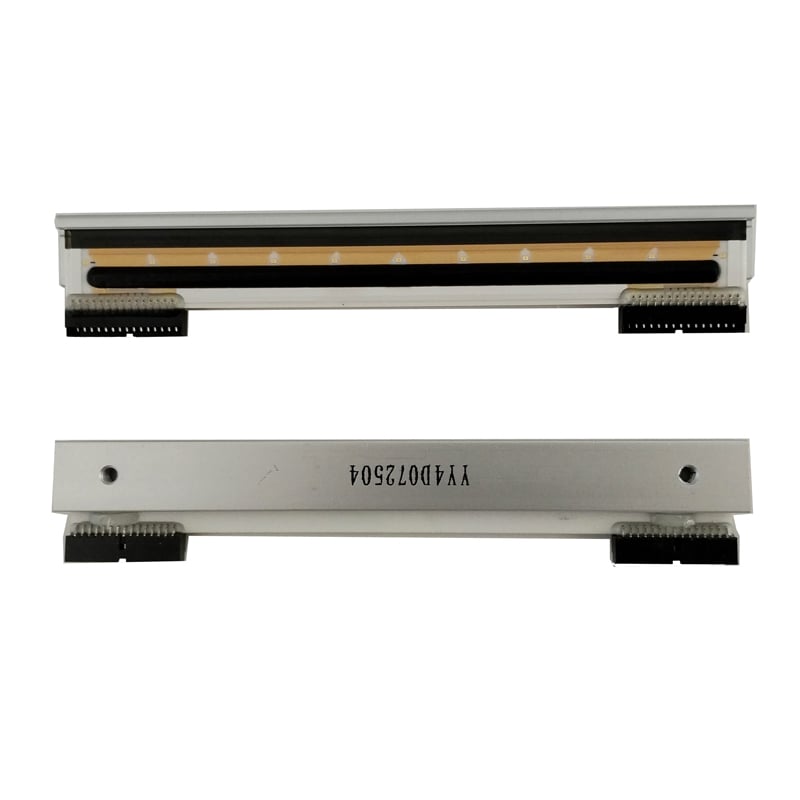
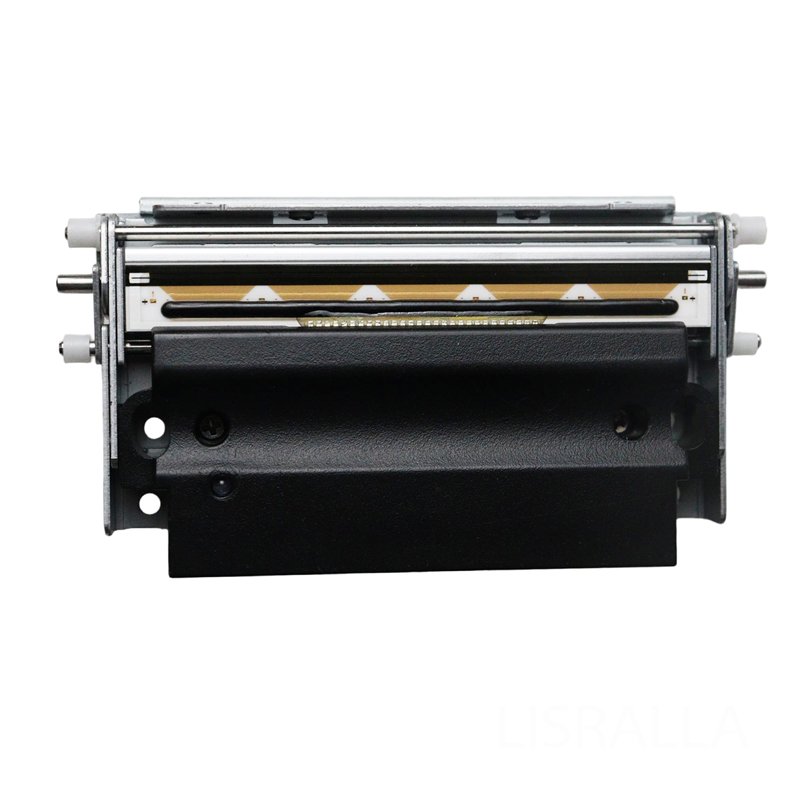
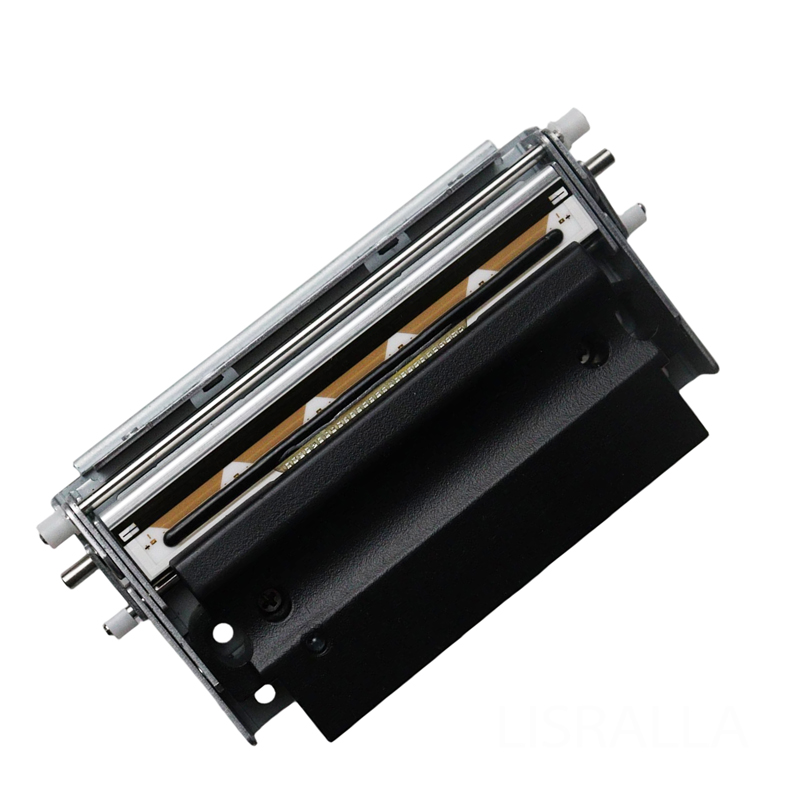
Printheads: Choose high-resolution printheads for clarity  and precision in  barcode printing. The lifespan of printheads can vary, so consider  purchasing from suppliers that offer durability guarantees, such as those found in our Printhead category.

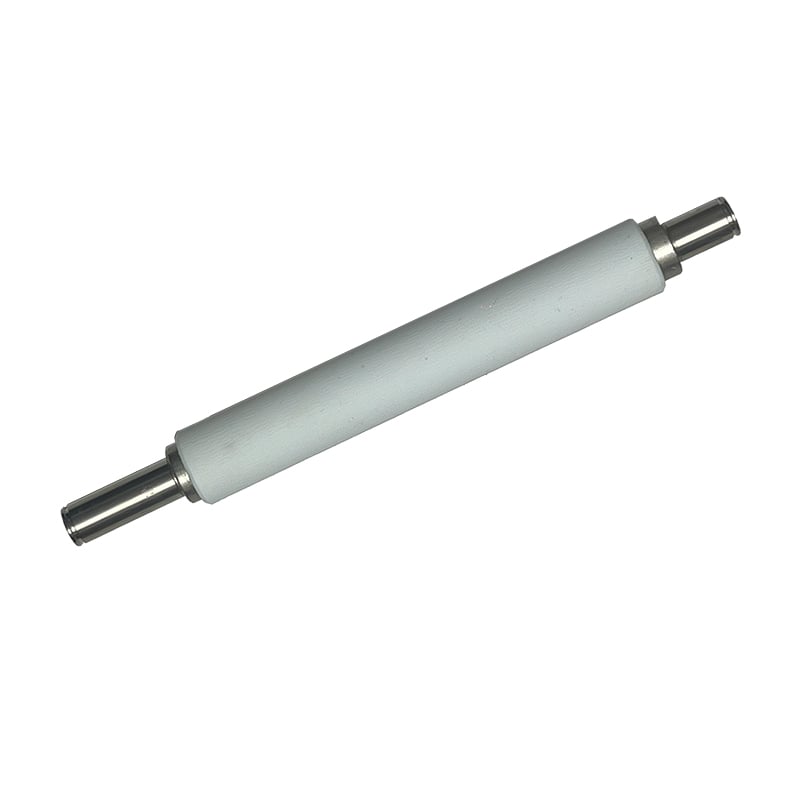
Rollers: Examine the material and  design of rollers. High-quality rubber  materials  can prevent slippage  and  ensure smooth operation, which is essential  for accurate weight  readings.

Sensors:  Opt for advanced sensors that can detect weight variations accurately. This improves the scale's  overall performance, especially  during high-volume operations.

Keyboards: Ensure that keyboards are ergonomically designed and durable, as they are  frequently used. Consider customizable  options for specific operational needs.

By focusing on these components, you can  ensure that you are investing in parts that enhance the functionality and longevity of your barcode scale.

Installation Guidance for Barcode Scales and Printer Parts

Installation Guidance for Barcode Scales and Printer Parts

Proper installation of barcode scales and their parts is vital for optimal performance.  Start by reviewing the manufacturer's  guidelines specific to the XP 365B model. Here are general steps you  should follow:

Preparation: Ensure that the installation area is clean and free from obstructions. Verify that all  components are present and undamaged.

Mounting the Scale: If applicable, securely mount the scale on a stable surface. Use appropriate fasteners  to minimize movement during operations.

Connecting Components: Follow the wiring diagrams provided  in the installation manual for connecting the printhead, sensors,  and any other electronic components. Ensure all connections are tight to prevent malfunctions.

Calibration: Once everything is connected, calibrate the scale according to the manufacturer’s instructions. Calibration ensures  that the scale provides accurate readings.


Testing:  After  installation, conduct a test run to confirm that the scale operates  correctly  with the  barcode  printer. This includes verifying the  weight measurement accuracy and  the printing of  barcodes.

Following these steps will help you achieve a successful installation, reducing  the  likelihood of operational issues.

Common Problems with Barcode Scales and Effective Solutions

Common Problems with Barcode Scales and Effective Solutions

While barcode scales like the XP 365B are designed  for reliability, users may encounter  common issues. Here are some potential problems and  solutions:

Inaccurate Readings: If the scale  displays inaccurate weights, check  for proper calibration. Environmental factors, such as vibrations or uneven surfaces, can also affect performance. Ensure the scale is on a stable, flat surface.

Print Quality Issues: Poor  print quality can  stem from a worn-out printhead or low-quality ink. Regularly inspect and replace the  printhead as needed and use high-quality ink compatible with the scale.

Connectivity  Problems: If  the scale fails  to connect with your system,  check the cables and wireless connections.  Ensure  that the firmware is up to date  and compatible with your existing software.


Sensor Malfunctions: Sensors may fail due to  dust or debris accumulation. Regular cleaning  and maintenance can prevent this issue. If  sensors are damaged, replacing them promptly is crucial to maintaining accuracy.

By being aware of these common issues and their  solutions, you can ensure smooth operations and minimize downtime.

Applications of Barcode Scales in Various Industries and Projects

Barcode scales are versatile tools  used across multiple industries to  enhance efficiency and accuracy in operations.  Here are some key applications:

Manufacturing: In manufacturing, barcode scales  streamline inventory management by providing accurate weight data for raw materials  and finished products. This data aids in quality control  and ensures that production processes meet specifications.

Retail: Retail environments benefit from barcode scales  when weighing products for sale. Accurate measurements improve customer  satisfaction and enhance  inventory tracking.

Logistics and  Warehousing: Barcode scales are critical in logistics for weighing shipments to ensure compliance with weight regulations. They facilitate streamlined operations by integrating with inventory management systems.


Food Industry: In the  food industry, precise weight measurements are essential for compliance with health regulations. Barcode scales help  in portion control and accurate pricing of food products.

Pharmaceuticals: The pharmaceutical industry requires high accuracy for dosage measurements. Barcode scales ensure that products are correctly  weighed, enhancing safety and  compliance with regulatory  standards.

Understanding  these applications can help businesses determine how to best utilize barcode scales like the XP 365B within  their  operations, maximizing efficiency and accuracy  across various projects.