How to Choose the Best Mini Thermal Printer

Welcome to our store!Black Friday Sale!

application/best-mini-thermal-printer, application/best-mini-thermal-printer, 
Inquiry
Inquiry

best mini thermal printer

Mini  thermal printers are compact devices designed to  produce  high-quality prints from  various digital sources, widely used for applications  like receipts, labels, and tickets. For  businesses seeking  the best mini thermal printer, key  concerns  often  include print  quality, compatibility,  durability,  and supplier  reliability.  This article  aims to guide  purchasing managers and decision-makers through the essential aspects  of selecting the  right mini thermal printer to meet their business needs.


Why choose SOSTAR best mini thermal printer

How to Choose the Best Mini Thermal Printer for Your Business Needs

When selecting the best mini thermal printer, several factors should be considered  to  ensure it aligns with  your company’s requirements.

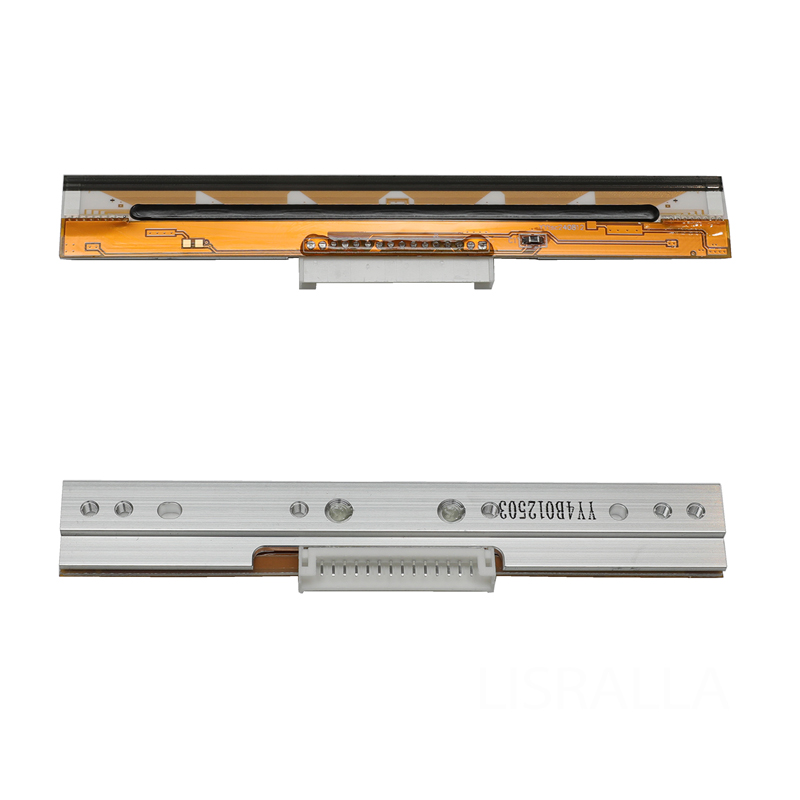
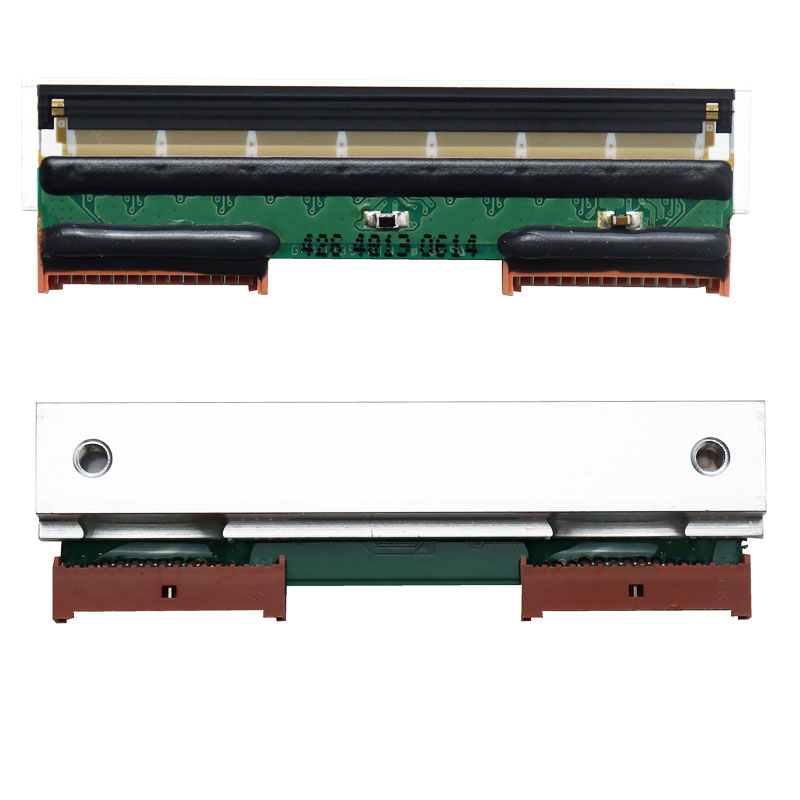
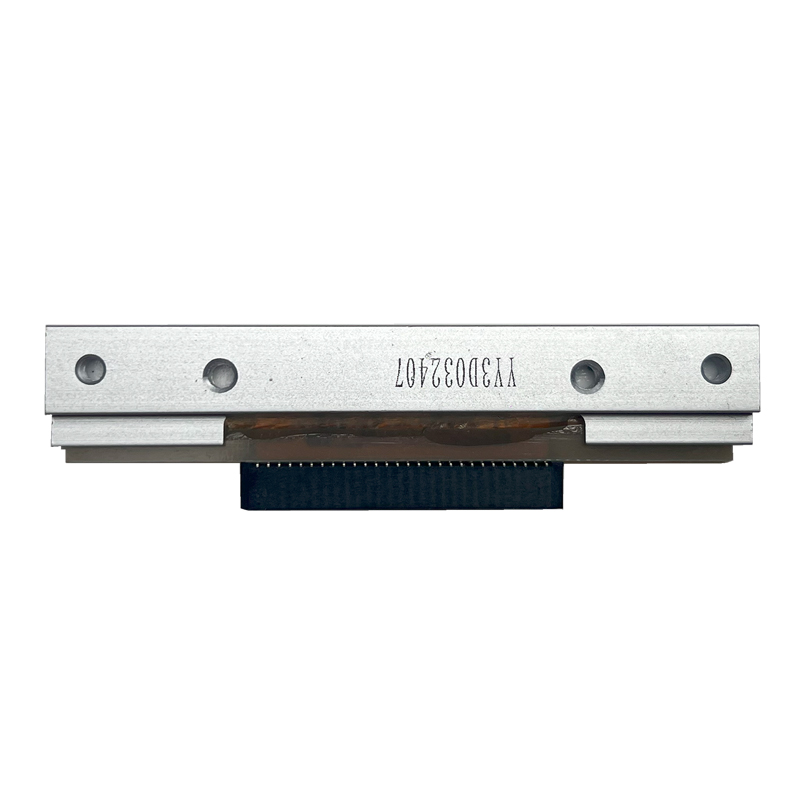
Print  Quality: Assess the printer's  resolution, typically measured in dots per inch (DPI). A higher DPI  means finer detail, crucial for applications like barcode printing  where clarity is essential. For example, the RM60 Printhead for DIGI RM60 Barcode Scale is designed to ensure high clarity in printing.

Compatibility: Ensure that  the  printer is compatible with your existing systems. This includes checking  the interface options (USB, Bluetooth,  or Wi-Fi) and the types of media the printer can handle, such as thermal paper or synthetic labels.

Durability: Look for printers designed for heavy usage, as their build quality will affect  longevity and  performance. Features like  a robust casing and high-capacity batteries can enhance durability, especially in mobile applications.

Size and Portability: Depending on your operational needs, consider the printer's size and weight. If it’s for  fieldwork, a lightweight and compact option may be necessary.

Customization Options: Some manufacturers offer customization services for firmware and hardware, which can be beneficial for specific applications. Understanding these capabilities can help  tailor the printer to your specific  needs.

By thoroughly evaluating these factors,  businesses can make informed decisions that suit their operational  demands.

Frequently Asked Questions

Our Blog Posts

What Our Partners Say

Finding Reliable Mini Thermal Printer Suppliers

Finding Reliable Mini Thermal Printer Suppliers

Identifying trustworthy suppliers for mini thermal printers involves several strategic steps.

Research Manufacturer Background: Seek  out suppliers like Guangzhou SOSTAR Smart Technology Co., Ltd., known for their expertise in manufacturing printer spare parts, which can indicate a solid  understanding of printer technology and reliability.

Check Certifications  and  Quality Control: Reliable suppliers often have certifications that reflect their commitment to quality. Inquire  about their quality control processes to ensure  that  they maintain high standards  in their products.

Evaluate  Product Range and Customization: A supplier offering a variety of models and customization  options  can  better meet diverse business needs. This  flexibility is crucial, especially if you require specific features or adaptations.

Read Customer  Reviews and  Testimonials: Look for reviews from other businesses to gauge the supplier’s reputation. Direct feedback can provide insights into the supplier's reliability and product performance.


Request Samples: Before  placing a bulk order, request samples to assess the printer’s performance and suitability for your applications. This step can help verify the quality and functionality of the printer in real-world conditions.

By conducting thorough research  and due diligence, businesses  can partner with suppliers that enhance their operational efficiency.

What Buyers Need

What Buyers Need

When preparing to  purchase a  mini thermal  printer, buyers should gather essential information to streamline the process.

Specifications: Clearly define the required specifications such as print speed, paper size, and connectivity options. This ensures that the printer meets operational demands without compromising  performance.

Quantities and Lead Times: Determine the order quantity  and inquire about the  lead  time  for delivery. This  information is critical for planning and ensuring that the printer is available when needed.

Pricing Structure: Understand the pricing model, including any potential volume discounts. Evaluating the total cost  of ownership, which includes  maintenance and consumables, is  also crucial for budgeting.

Technical Support and  Warranty: Inquire about the warranty period and the availability of technical support. Reliable customer service can significantly reduce  downtime in case of  issues.

Customization Needs: If specific features are required,  communicate these needs early in the process. Many  manufacturers can offer tailored solutions that  align with unique business  requirements.

Having  this information ready can facilitate smoother negotiations and ensure that the purchasing process meets your operational timelines.

Common Problems with Mini Thermal Printers and Their Solutions

Common Problems with Mini Thermal Printers and Their Solutions

Mini thermal printers, while robust, can encounter several common issues that may affect  performance. Understanding  these problems and their solutions can help ensure seamless operation.

Poor  Print Quality: This can  result from incorrect paper loading or using incompatible media. To mitigate this, ensure that the thermal paper is suitable for the printer and follow  proper loading instructions.

Connectivity Issues: Problems may arise when  connecting to devices via  Bluetooth  or Wi-Fi. Ensure that the printer's firmware is up-to-date  and that the connected devices are  within range.

Battery Life Problems: For portable printers, short battery life can hinder operations. Regularly check battery health and  consider models with higher-capacity  batteries for extensive use.


Overheating: Continuous use  without breaks  can cause the printer to overheat, leading to malfunctions.  Implement regular downtime during heavy operations to allow the printer to cool.

Jammed Paper: Paper jams can occur due to improper loading. Regular maintenance checks and  proper loading techniques can prevent this issue.

By recognizing these common problems and proactively addressing them,  businesses can enhance the  reliability and longevity  of their mini thermal printers.

Exploring Applications for Mini Thermal Printers in Various Industries

Mini thermal printers have a wide array of applications across various industries, making them versatile tools for businesses.

Retail: In retail environments, mini thermal printers are often used for printing receipts and labels. Their  compact size allows for easy integration into point-of-sale  systems, improving customer service  efficiency.


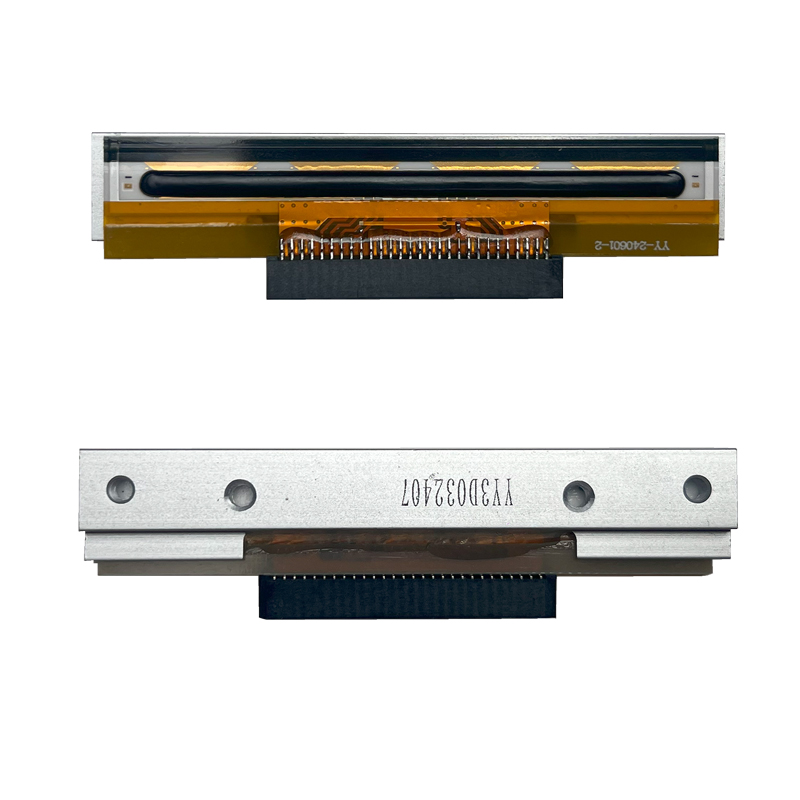
Logistics and Shipping: These printers are essential for printing shipping labels and barcodes. Their ability to produce clear, durable labels helps streamline inventory management and shipping processes. Models like the SM5500 Printhead for DIGI SM5500 SM5800 Barcode Scale are particularly effective in this area.

Healthcare: In the healthcare  sector, mini thermal printers  are used for patient wristbands and medication labels. High-quality printing  ensures accurate information, which is critical for patient safety.

Food and Beverage: Restaurants  and cafes utilize mini thermal printers for order tickets and receipts.  Their ability to  quickly print orders enhances service speed, which is vital in busy environments.

Event Management: For event ticketing,  mini thermal printers  provide a  quick and  efficient way to print tickets or badges  on-site, facilitating smoother entry processes for attendees.

Understanding these  applications can help businesses identify opportunities to integrate mini thermal printers into their operations,  enhancing efficiency  and service quality.